

The Blog
Wine Matters
Wine education, tips and insights to help you better understand and enjoy what’s in your glass.
Categories:
Wine Education / Wine Tips / Wine Culture / Behind the Bottle
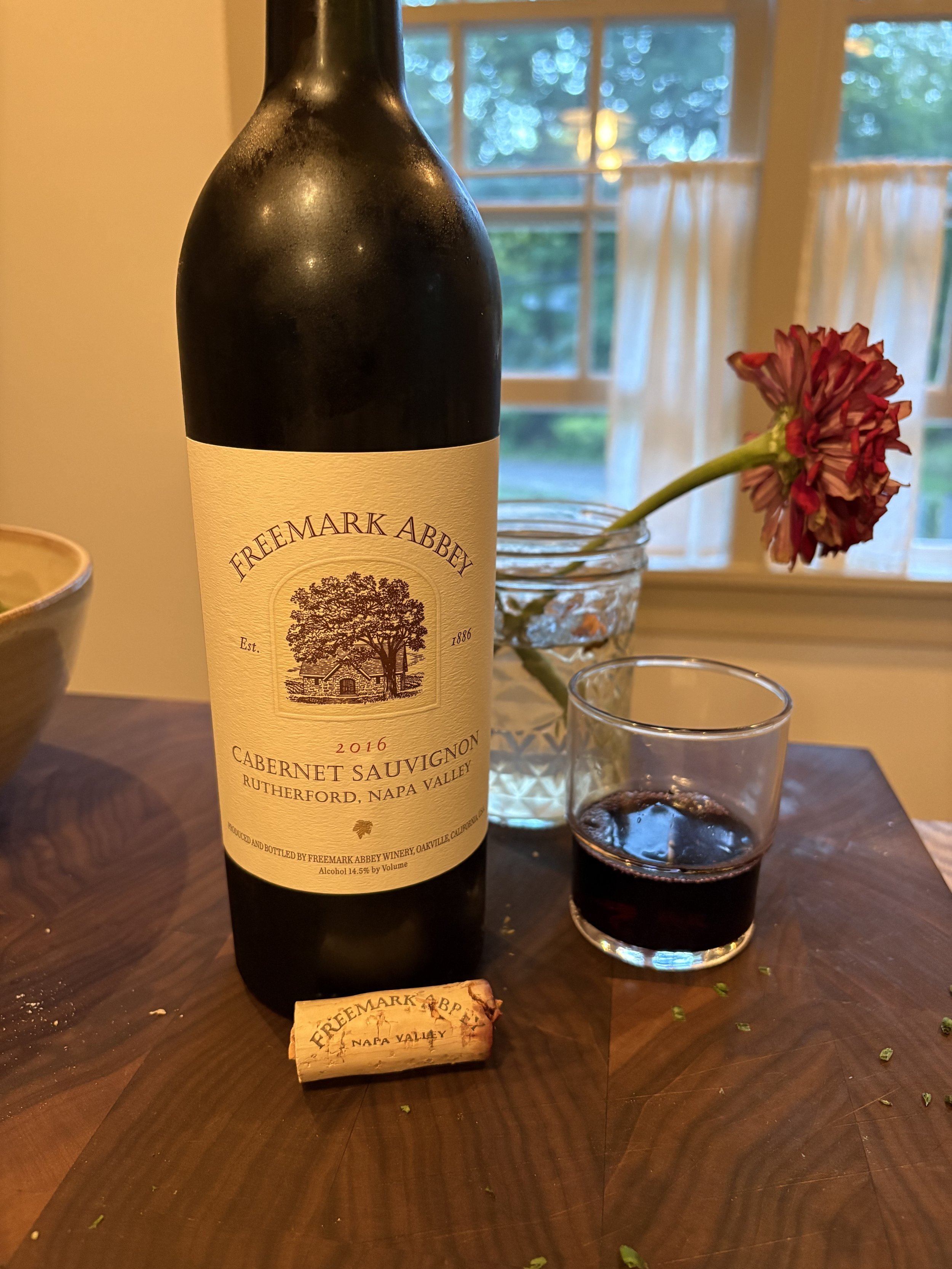
What a 2016 Freemark Abbey Cabernet Says About Old-School Napa
I recently had the opportunity to pop open a friend’s 2016 Freemark Abbey Rutherford Cabernet Sauvignon. I’ve always liked Freemark Abbey’s wines, though because they’re not inexpensive (it’s Napa, after all), they’re not usually on my shopping list. And that’s not a shot across the bow.
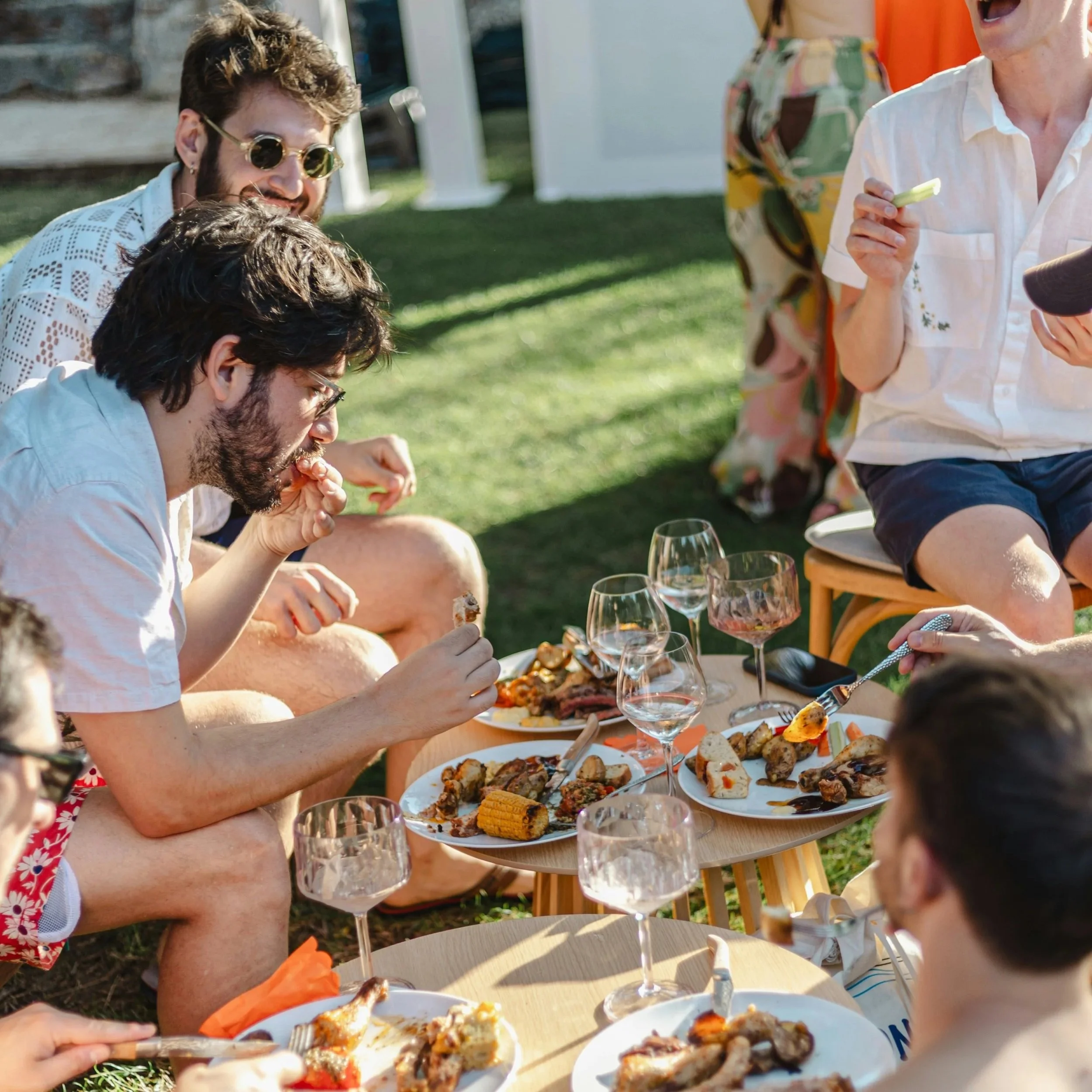
The Best Wines for Labor Day Grilling: What to Pair with Barbecue, Grilled Meats and More
As our weather-challenging summer of discontent enters its final turn, it’s time to think of what to drink during the official close of grilling season on Labor Day Weekend. Of course, many of us can light the charcoal chimney or turn on the gas longer or even all year round. These wines, some which may be unexpected, should be just as in play for you fortunate outdoor chefs, as well.
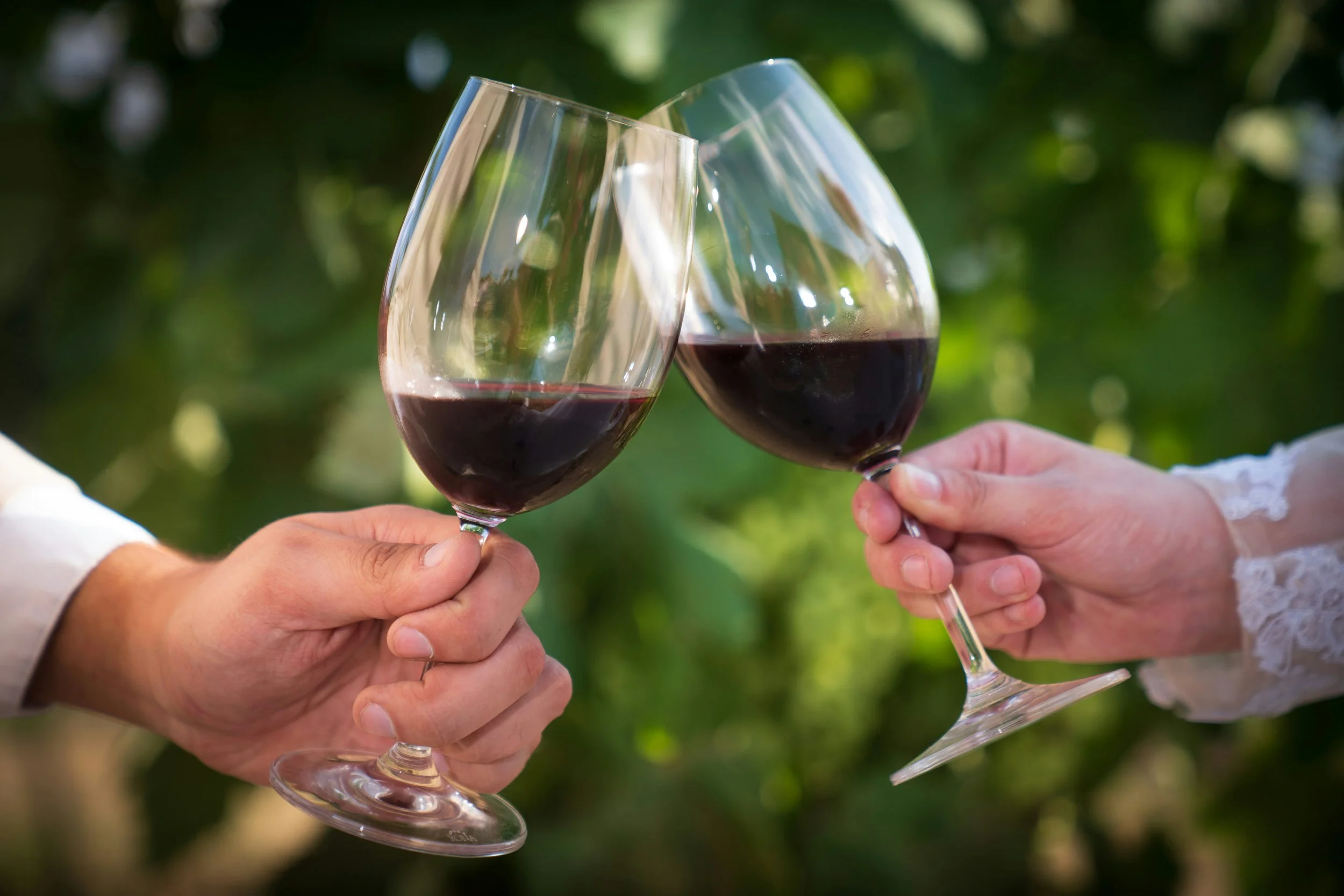
Why Pinot Noir Is One of the World’s Most Fascinating Wines
As our weather-challenging summer of discontent enters its final turn, it’s time to think of what to drink during the official close of grilling season on Labor Day Weekend. Of course, many of us can light the charcoal chimney or turn on the gas longer or even all year round. These wines, some which may be unexpected, should be just as in play for you fortunate outdoor chefs, as well.
What an Ordinary Bottle of Wine Taught Me About Tasting
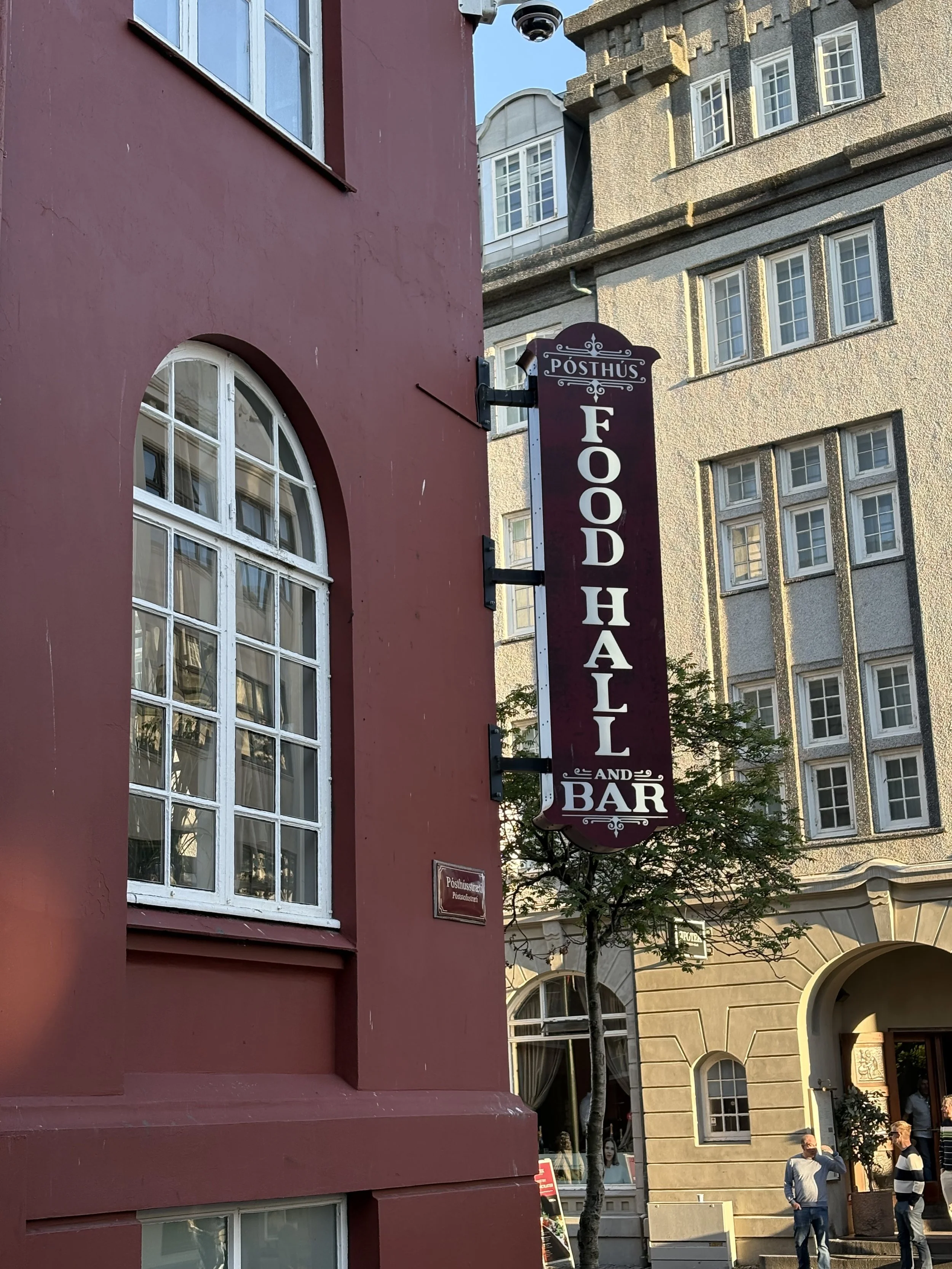
While wandering through the always-bustling Pósthús Food Hall in the old part of Reykjavík, I somehow managed to be inspired to do a dive into Bolla’s Verona IGT which I came across at the Italian stall. You’d be well within rights to ask, what was I thinking? I’m actually not sure that I was at that point given that I had just completed four hours of driving coupled with a two-and-a-half hour ferry to get from the West Fjords, where we had been the last week, to this lovely, low-rise capital city for three nights before flying home to New York City.
The Best Wine to Pair with Iceland's Famous Hot Dogs
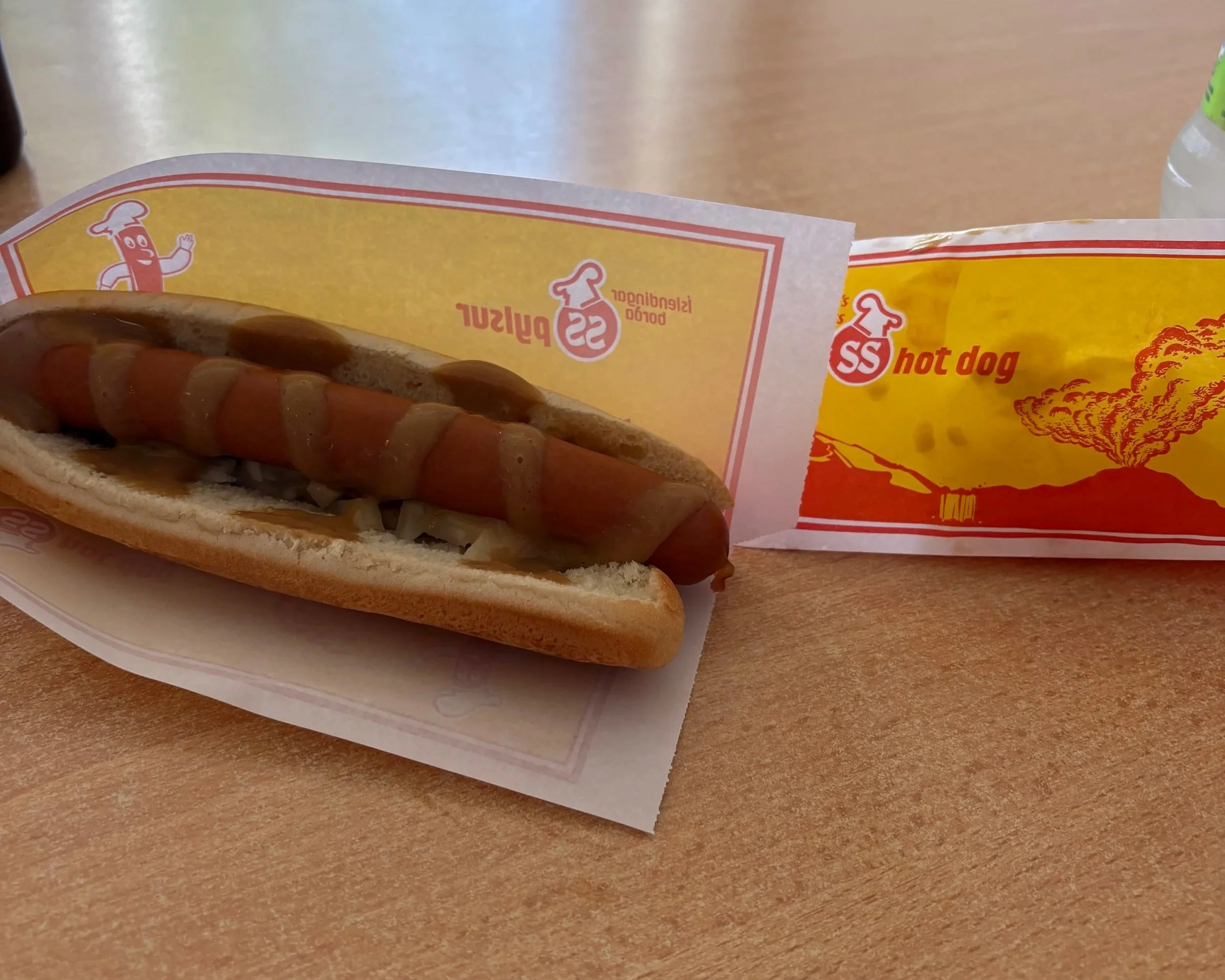
When in Iceland, as I was with my family recently, do as the Icelanders do: Eat their famous hotdogs, and lots of them. The primary ingredient in Icelandic hotdogs is lamb. (Fun fact: There are nearly twice as many sheep living on this pile of volcanic rocks than humans.) This makes their dog distinct from beef or pork versions.
Riesling Explained: A Guide to Styles, Regions and What Makes This White Wine So Unique
Our food/wine pairing philosophy is, first, relax, because there are very few horrible matches and very few perfect ones, but there is a universe of good to better than good ones in between. Our recommendations, while we believe in them, are merely guides. Here is the Riesling entry. I hope you find it useful.
Can Cheap Wine Age Well? A 37-Year-Old Cabernet Sauvignon Says, Yes
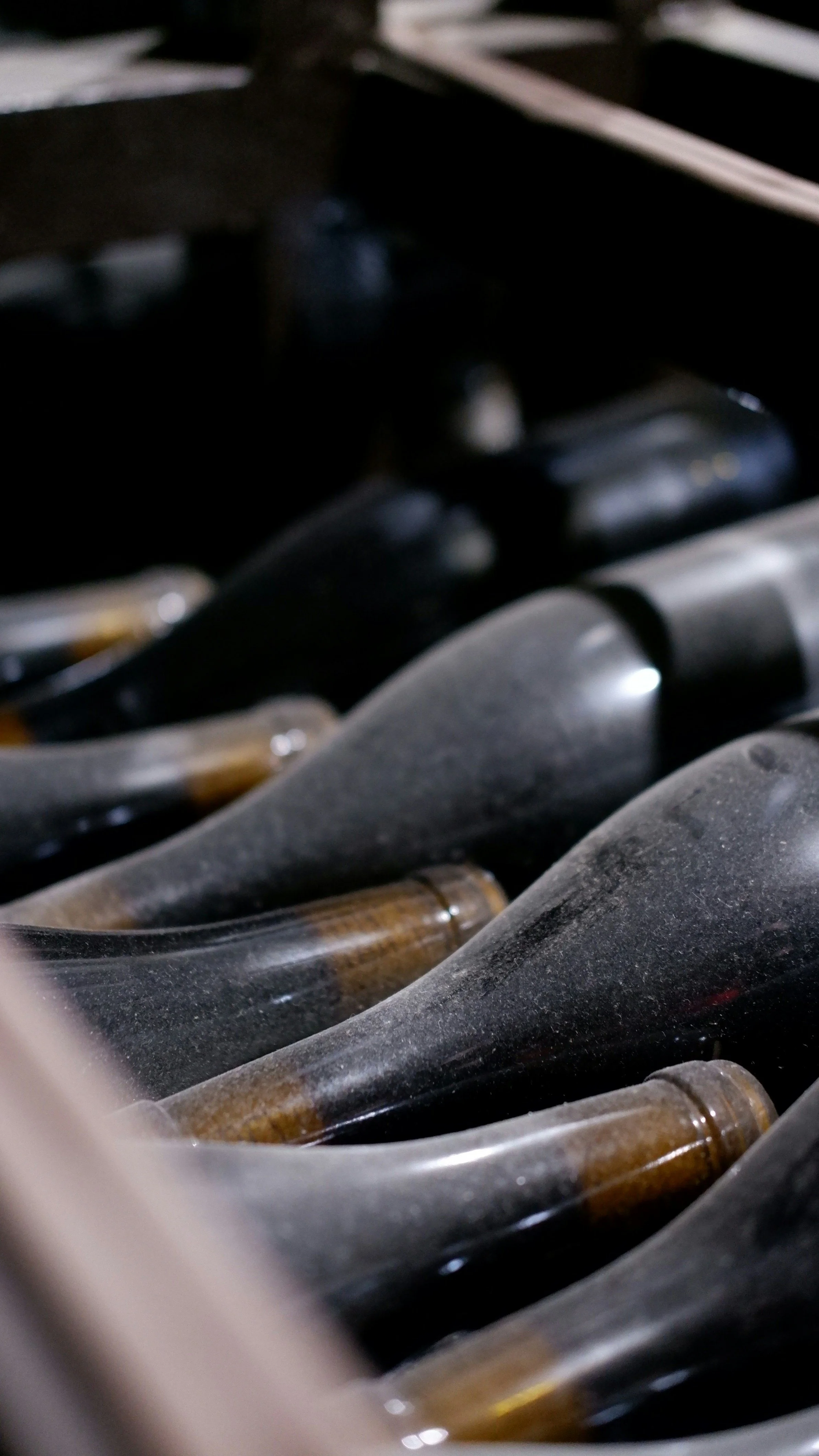
It’s such an unexpected delight to open a bottle that despite being decades past the expiration of its warranty is somehow drinking beautifully. Of course, bottles of wine don’t come with warranties (maybe they should, especially at the high end!) but the more bottles you open, the more of a sense of how long you can reasonably expect them to show a credible version of themselves upon that opening.
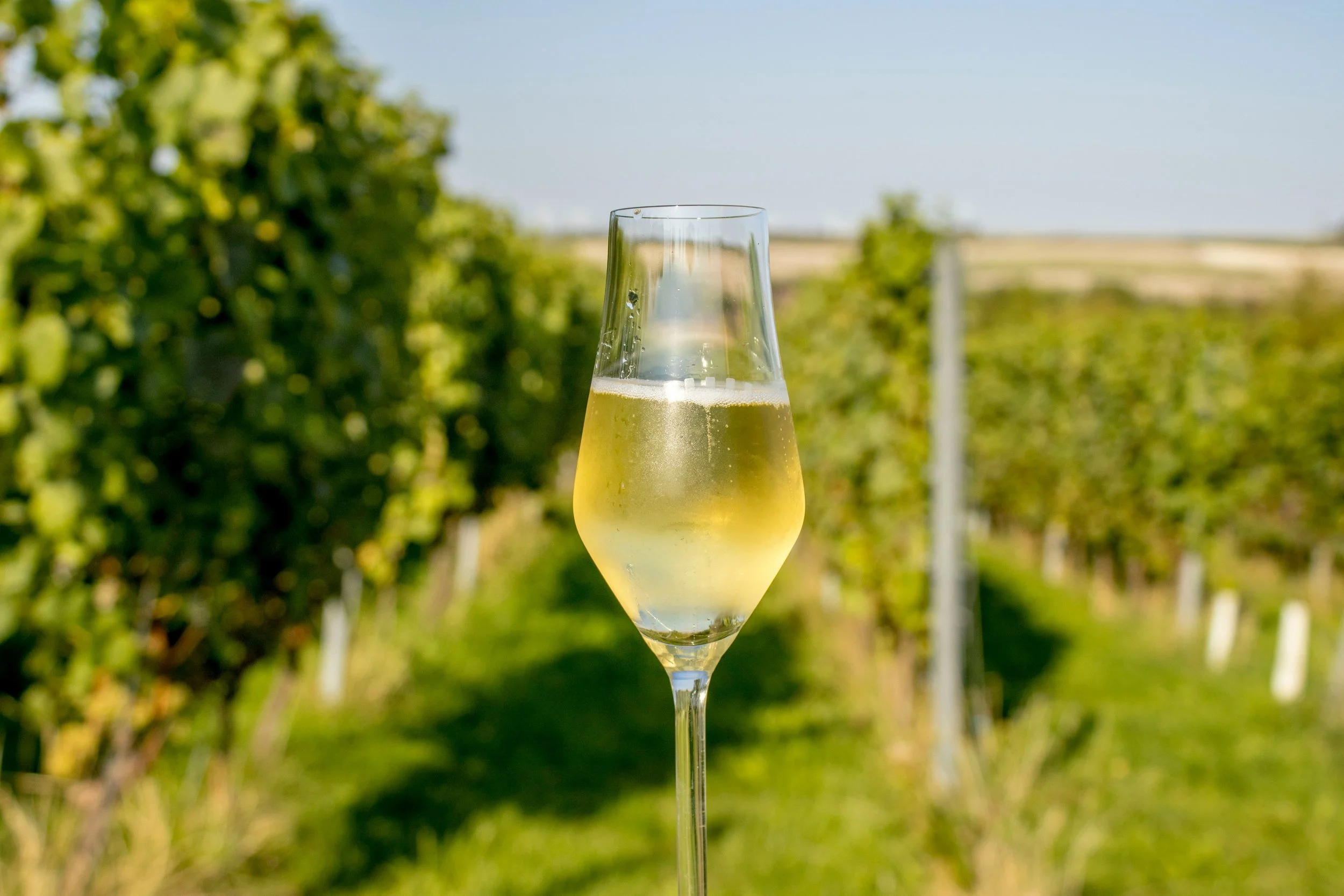
Sauvignon Blanc Explained: A Guide to Styles, Regions and Flavors
Sauvignon Blanc bottles really skew two ways: They are either lemony fresh or grassy and verdant. There will often be chalky, minerally components as well. The green style often veers toward bell pepper which some love and some don’t. There will always be zesty acidity and unobtrusive weight and texture.

Not a Rosé Fan? Try These Two Crisp Summer White Wines Instead
By now, anyone who has bothered to parse some of my posts, knows I’m no fan of rosé unless it’s rife with bubbles. No judgment (or not much to the faces) of those who worship the pink stuff, especially during the hot months.
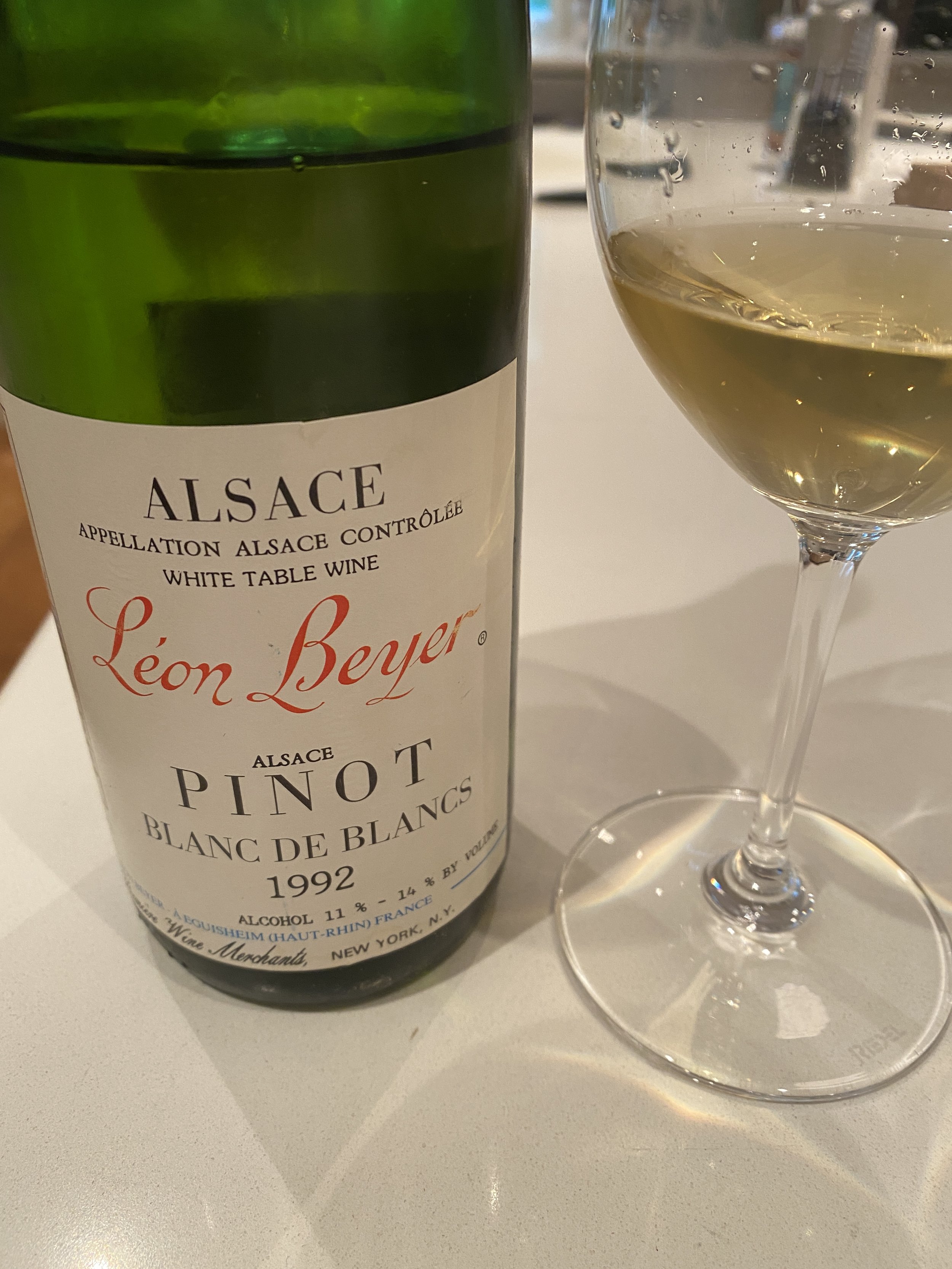
Why Alsace May Be the Most Underrated Wine Region in France
There is a place for every style of wine, from bone dry to richly sweet, but a consumer should never have to guess where on the scale their bottle falls. Back labels sometimes address this issue. Even assuming that Alsace producers one day provide full and fair disclosure on their back labels, there will always be the German thing.
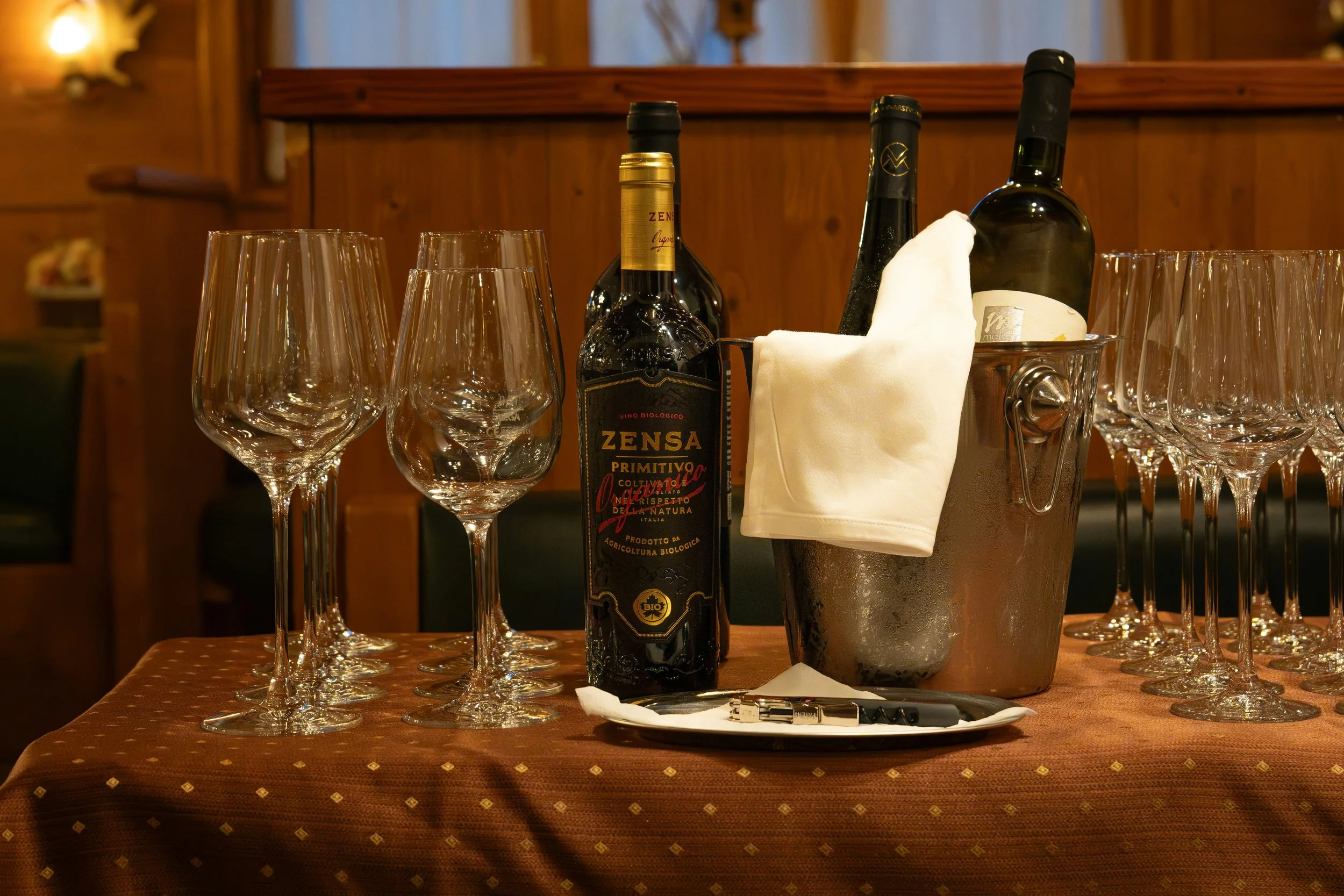
How to Host a Wine Tasting at Home: A Step-by-Step Guide
It’s true that you could hire me to put on a wine tasting for you and your friends. And while there is a certainly a lot of value added by having someone like me present a range of wines to you and your guests, and engage you in thoughtful and fun back and forths, you could host your own. Perhaps the dive into the wines won’t be quite as deep, but it certainly can be just as fun.
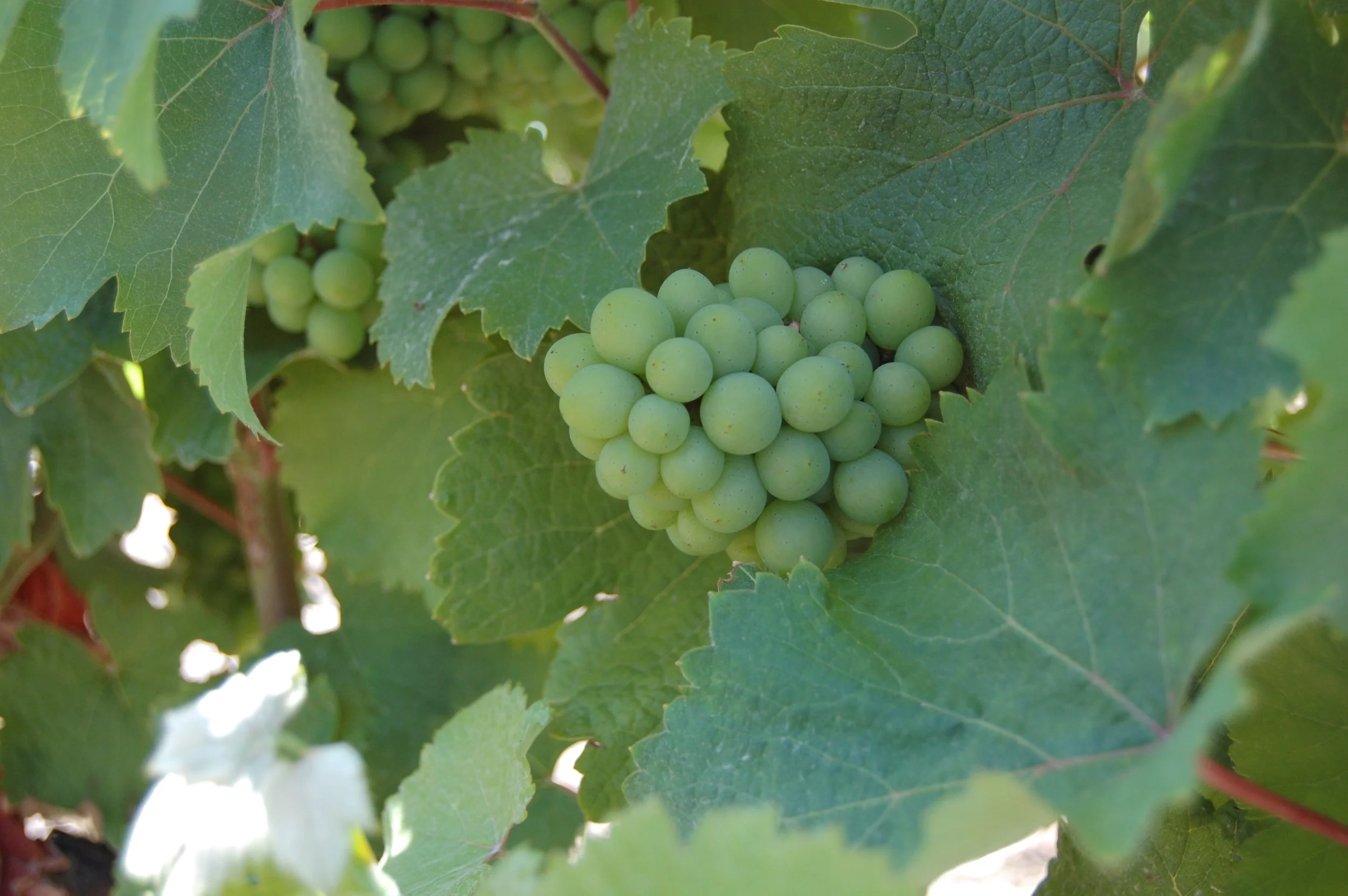
A Beginner's Guide to Loire Valley Wines: Grapes, Regions & Styles
The sprawling Loire region is far and away the world's most diverse wine-wise. It tracks the mighty Loire, France's longest river, as it snakes through just about every kind of high-quality vine-growing zone.
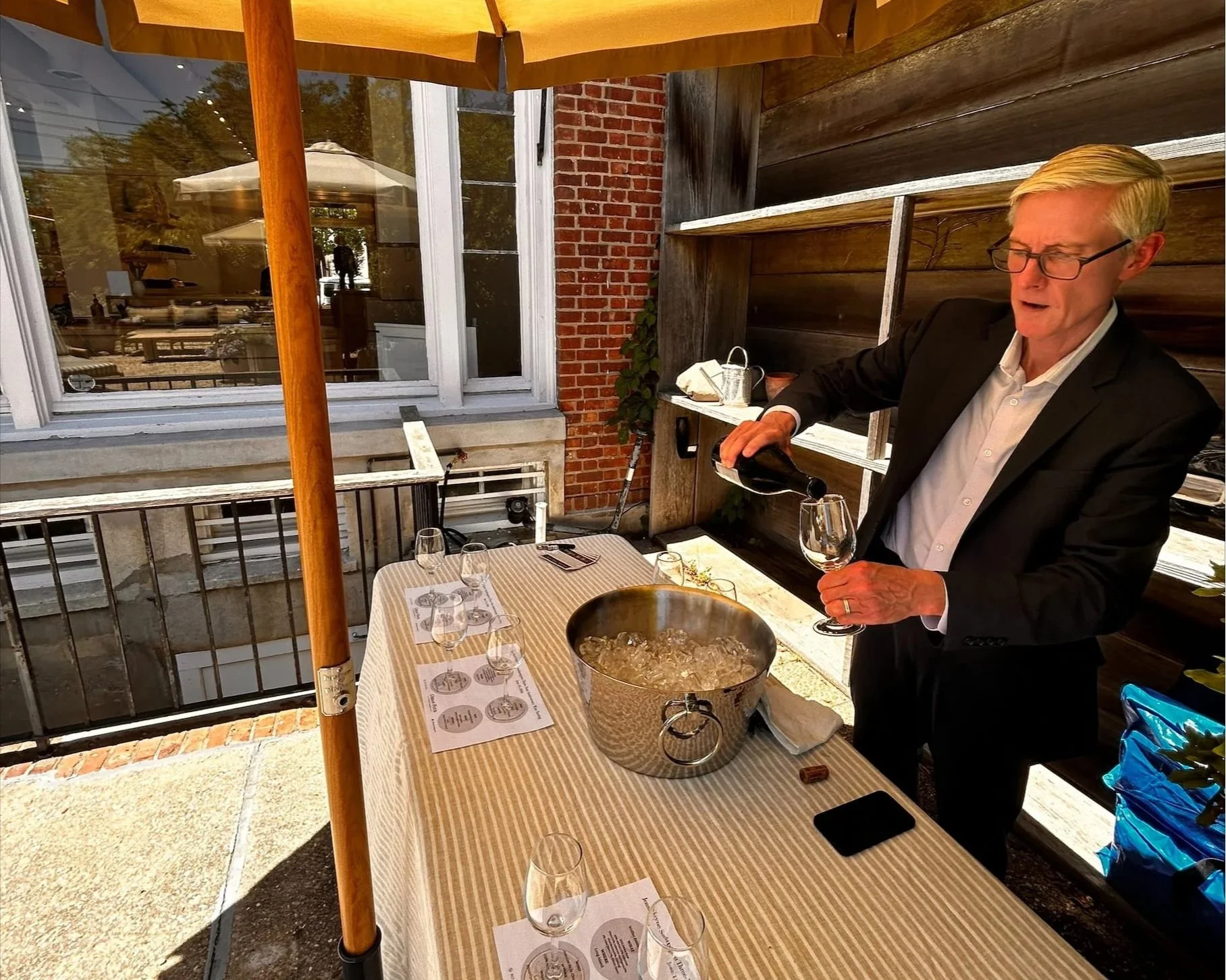
Jenni Kayne Southampton 3rd Anniversary Wine Tasting Event Recap
If there’s one thing I love most about hosting these events, it’s making wine feel approachable. You don’t need to know your tannins from your terroir to fall for a great glass. Whether you’re a longtime collector or simply curious, a guided tasting is really just permission to ask questions, follow your palate, and enjoy the ride, no pretense required.
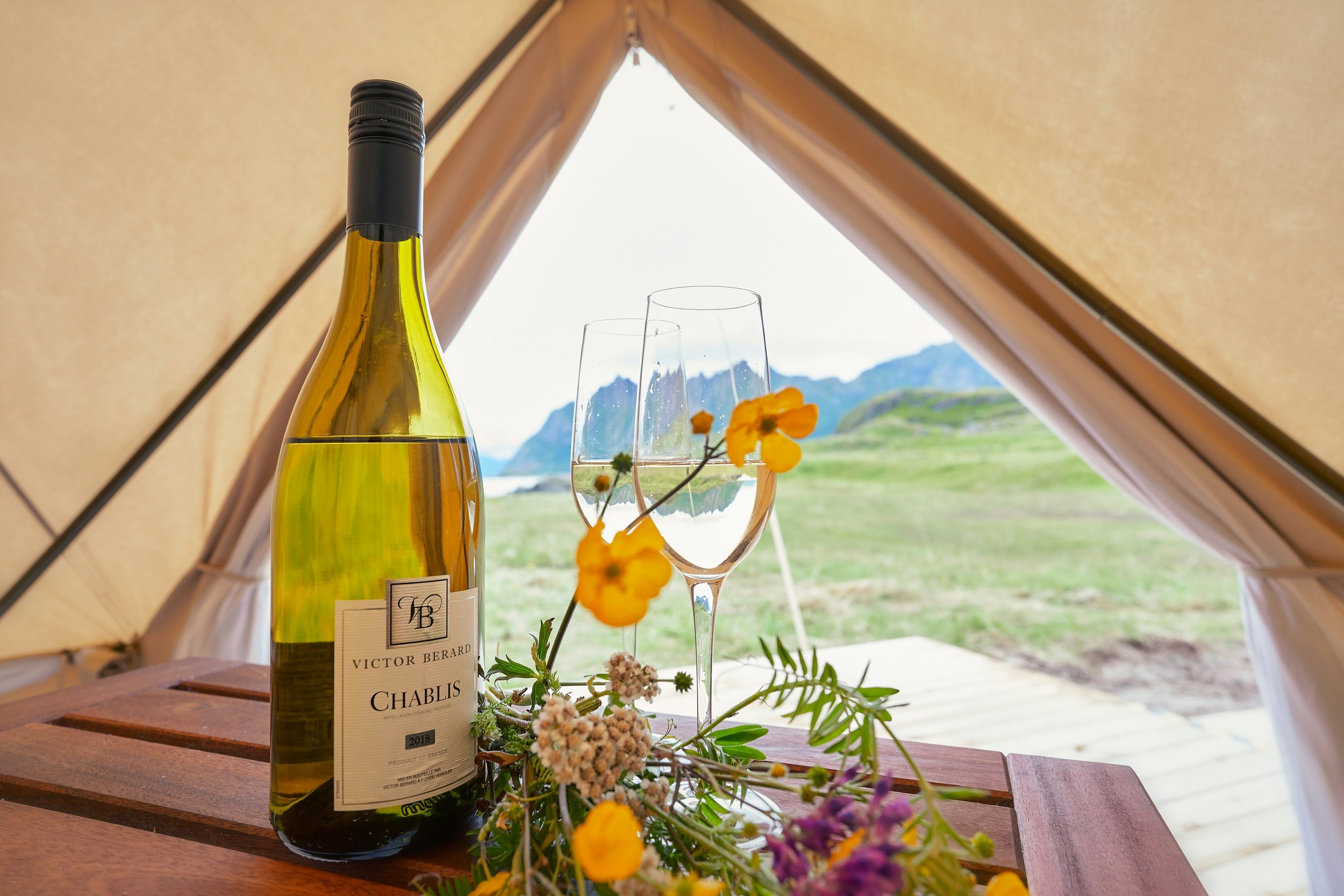
Chablis—An Introduction To The Wine World’s Purest Chardonnay
Pity Chablis. Despite its centuries-long, high-profile winemaking history, it has been forced to contend with being thought of as little more than a generic term for some sort of white wine. Even more humiliating, that wine can usually be picked up by its jug handle.
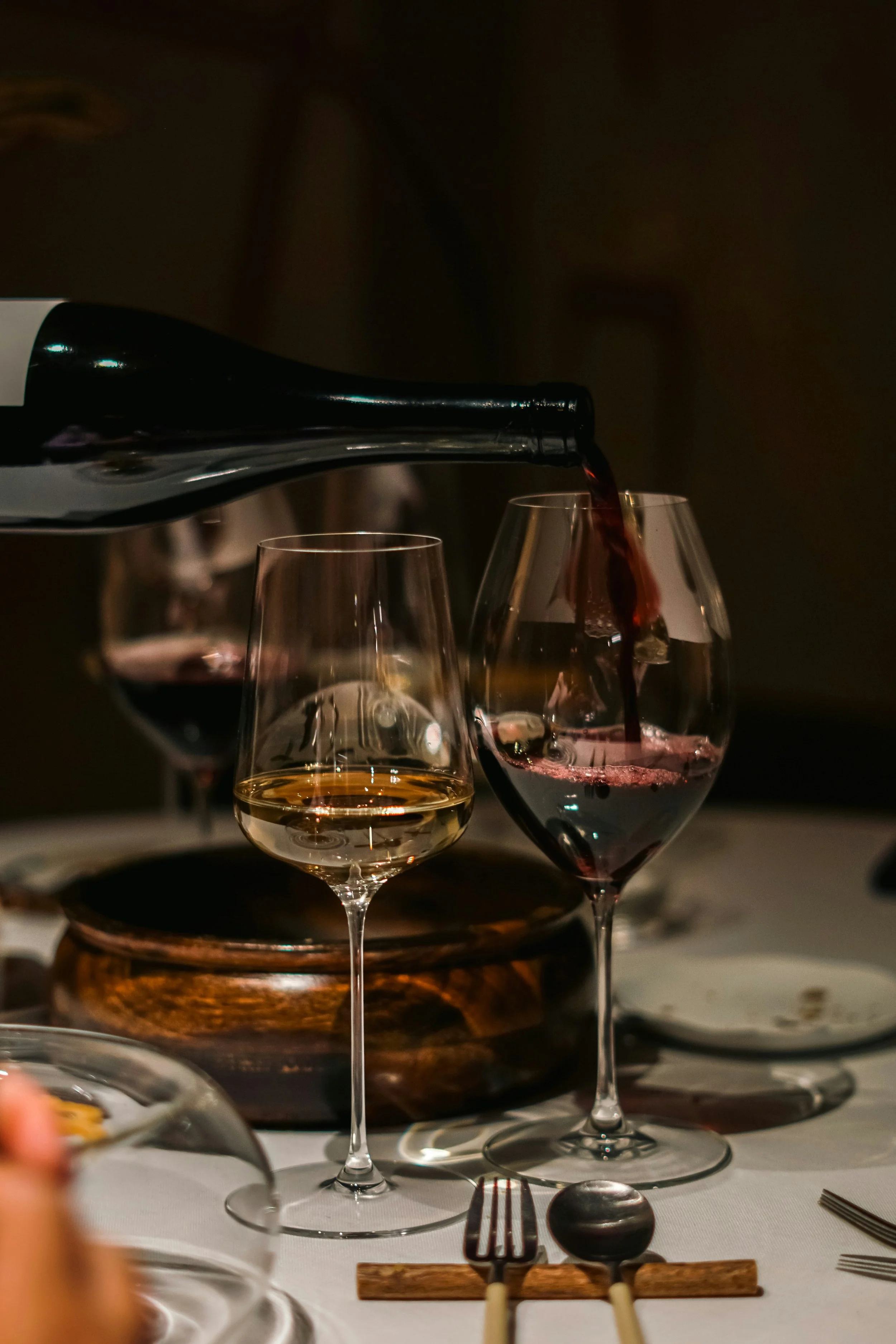
Beyond White With Fish and Red With Meat
I’ll lead with something I always say when asked about wine/food pairing. There are very few perfect wine/food matches and very few horrible wine/food matches but there is a universe of good to better-than-good wine/food matches in between.
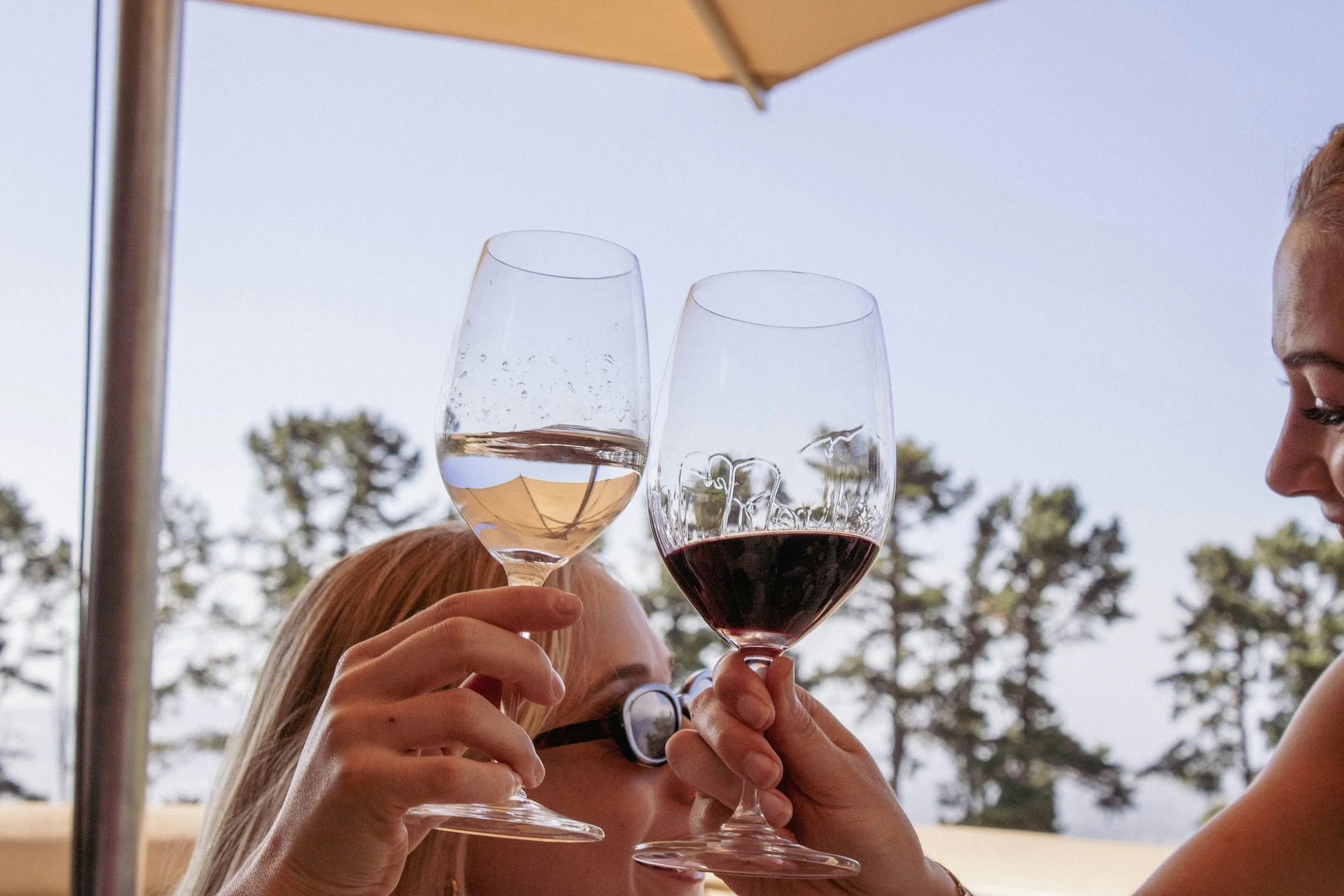
Urban Pour Tastings Joins Jenni Kayne Southampton's Third Anniversary Celebration
We're excited to announce that Urban Pour Tastings has been selected to provide a curated wine tasting experience as part of Jenni Kayne Southampton's Third Anniversary Celebration on Saturday, June 13, 2026.
Why Great Wine Tastes Like Somewhere
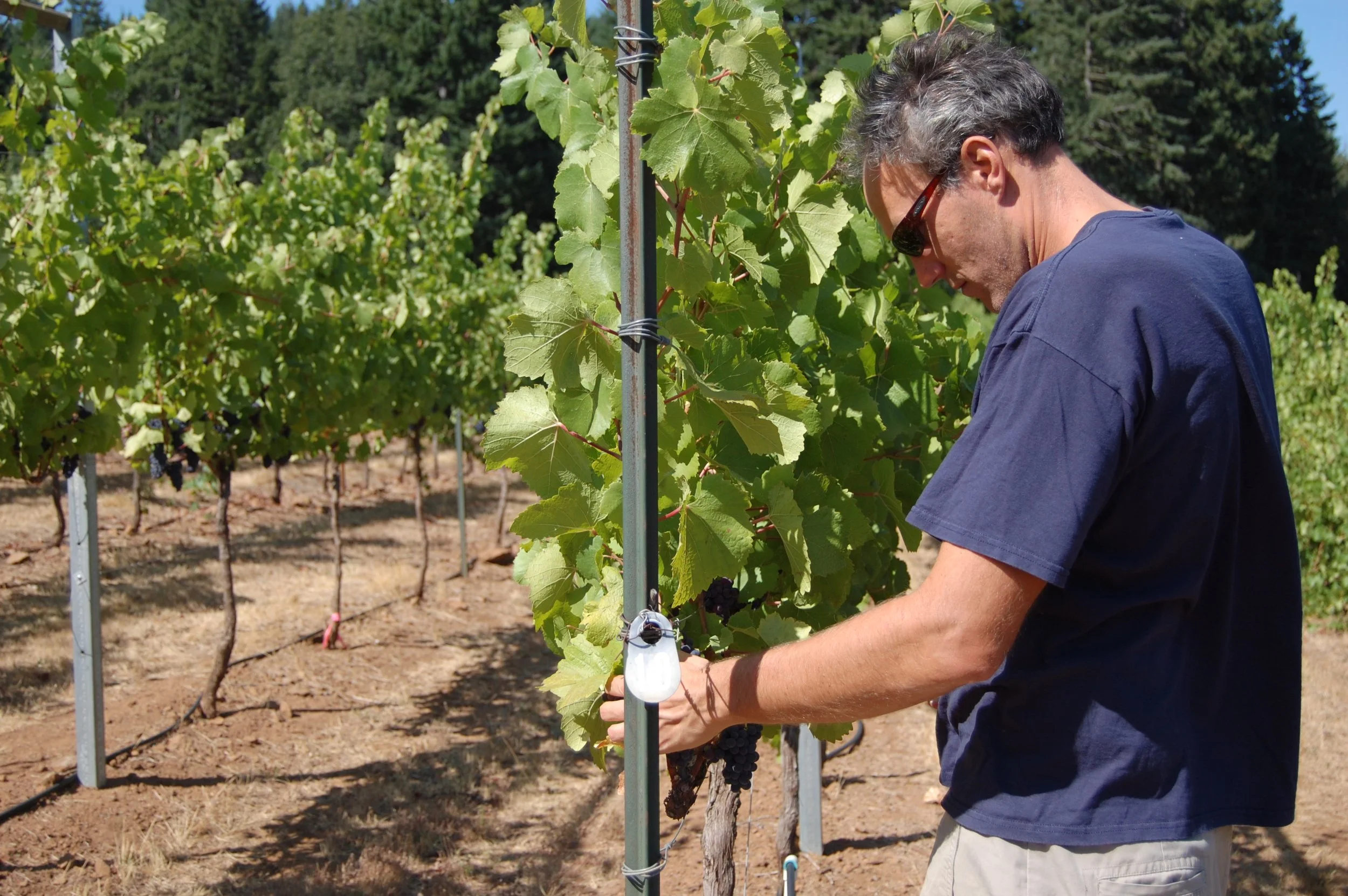
It should come as no great surprise that the reason wines from different regions don’t taste and smell the same is because no two regions share the same climatic, geographic and historic attributes. Indeed, wine styles can vary greatly from row to row within a single vineyard. And this is as it should be.
What That Bottle You Gave Says About You
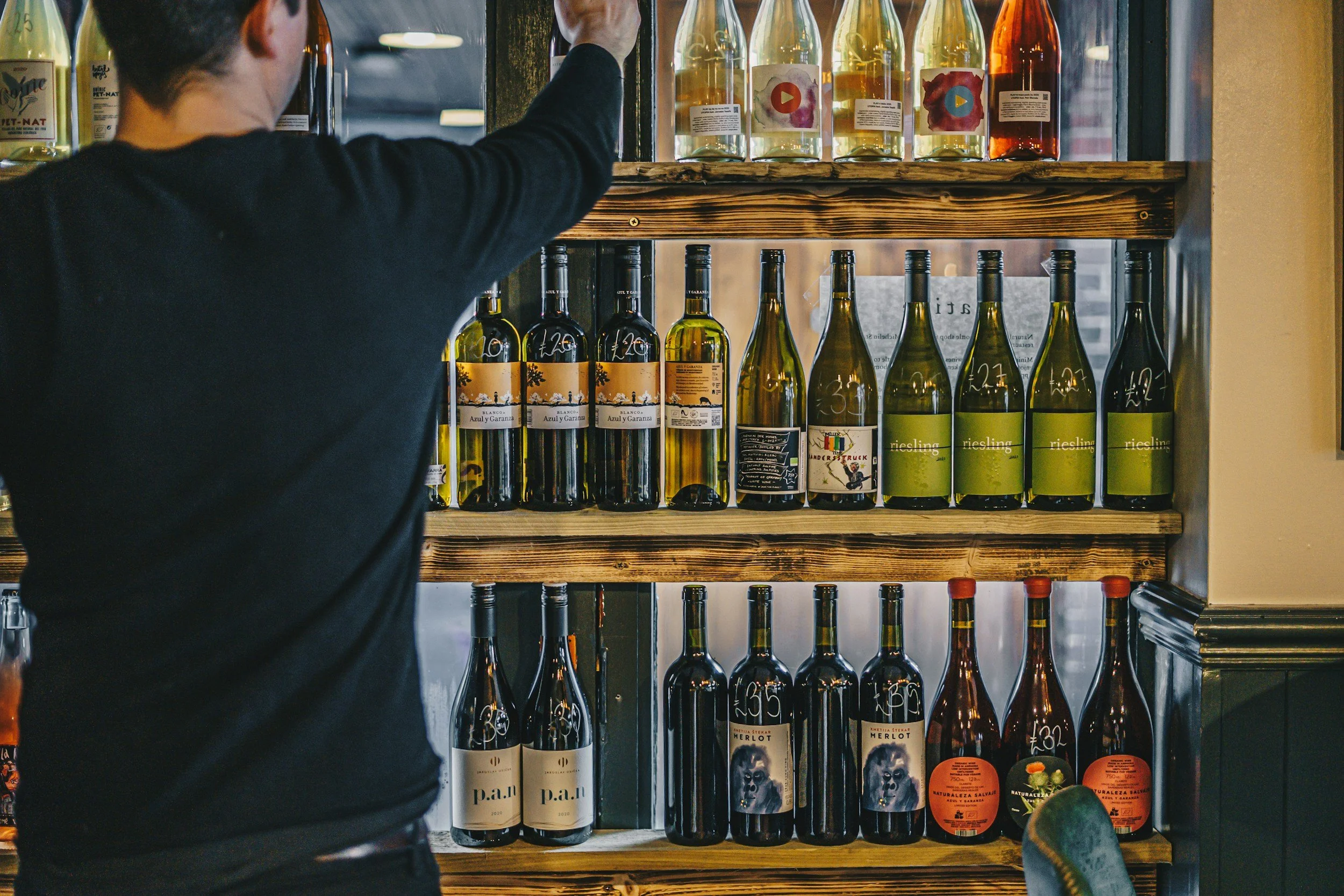
Bringing a bottle of wine to a dinner party or gifting one is a frequent occurrence for most of us. But unless you’re in the wine business or an ardent wine consumer, you probably don’t really know what to buy. After all, there are literally thousands and thousands of options at every price point. This post will boost your confidence so that the next time the occasion arises, you’ll be able to tackle this social obligation with ease.
Summertime and the Drinking is Easy
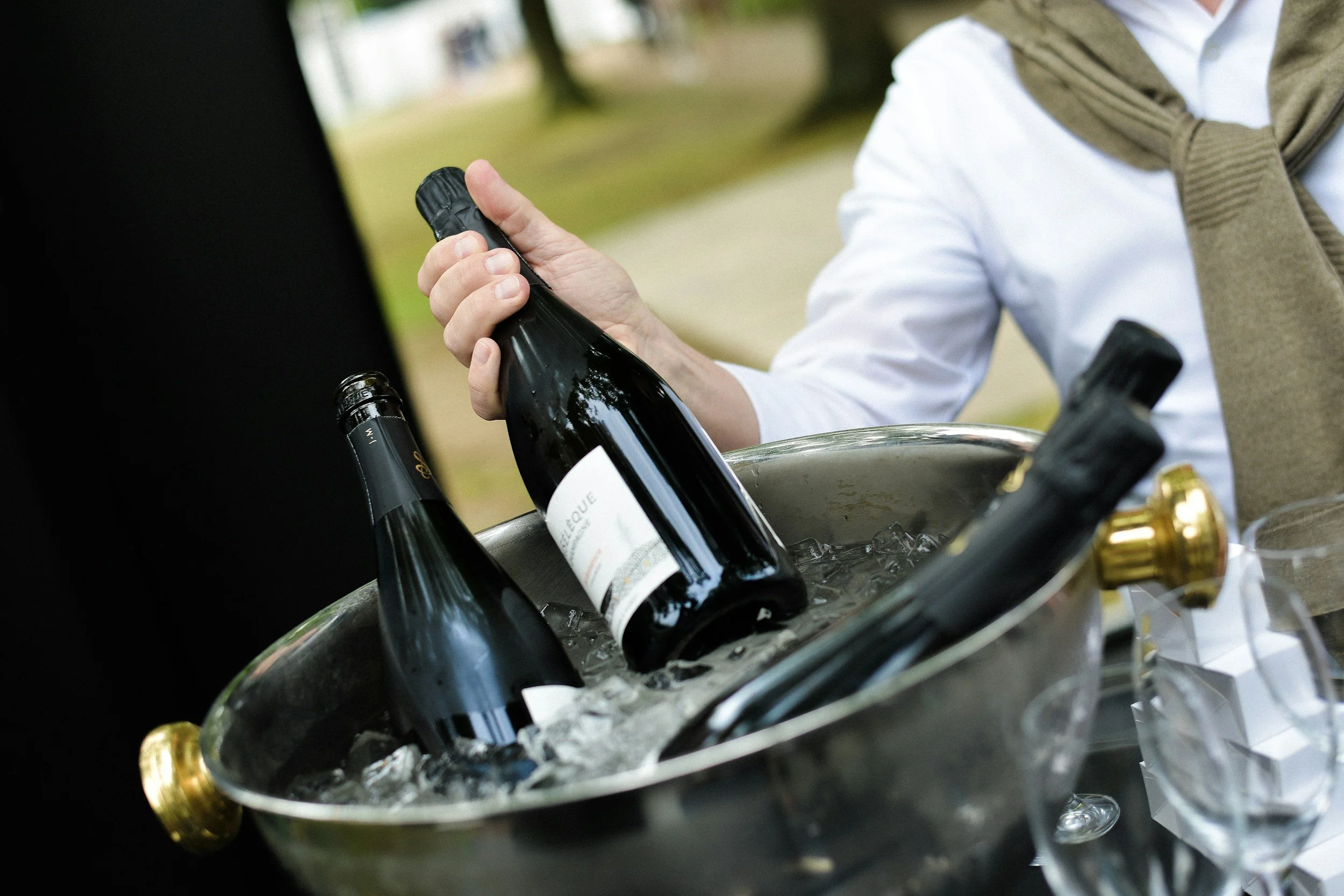
Our winter of discontent is thankfully over. Time to transition to lighter and lither wines, be they white or red. And let’s not settle for the path of least resistance. I’ll say it. I hate rosé. OK, hate is maybe too strong. But for me, unless that pink stuff has bubbles, I’m just not interested.
Is Bigger Better? No, But Bigger Is Cheaper
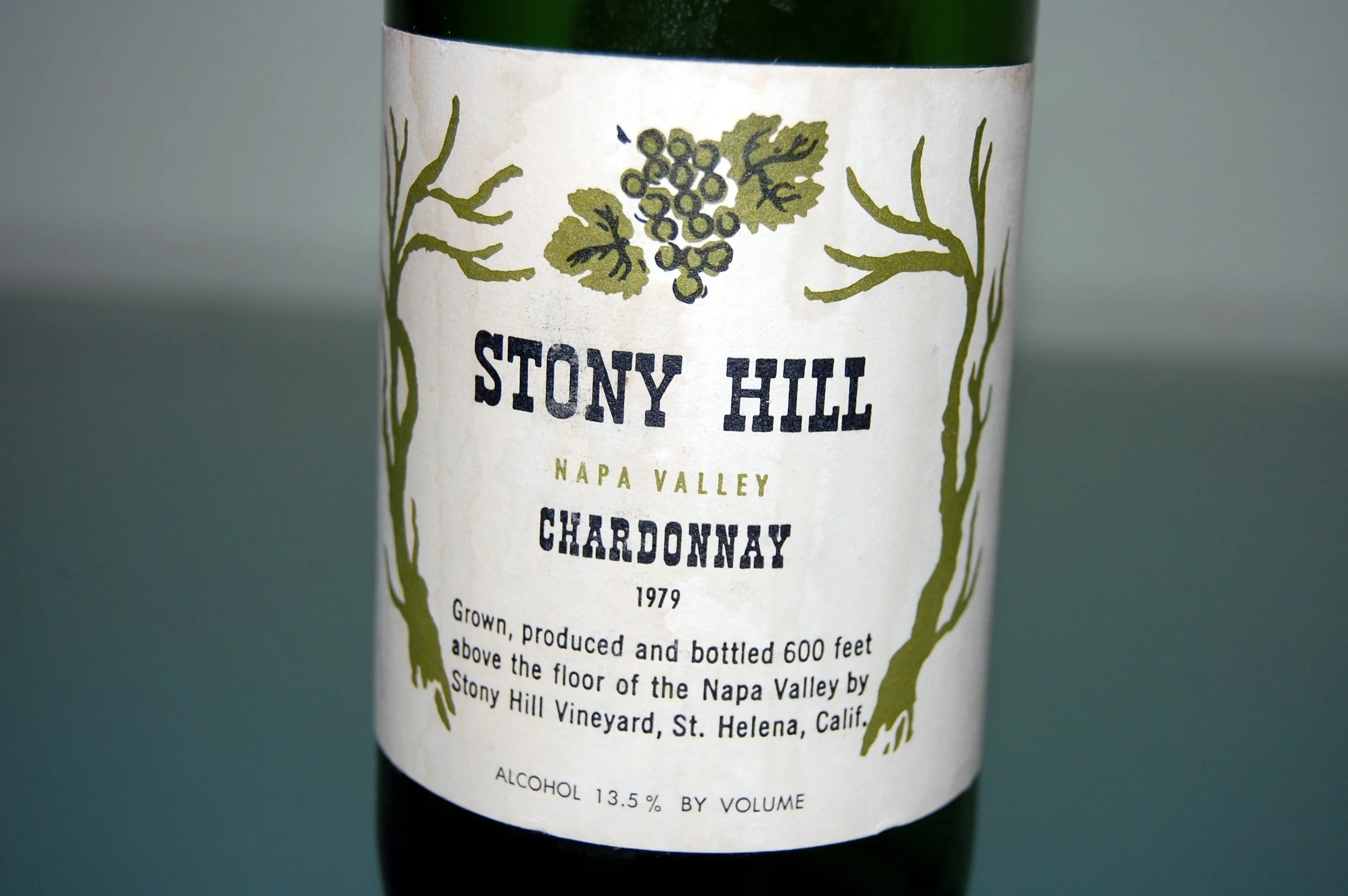
Wine, like real estate, is all about location, location, location. Taste, whether it’s in wine or real estate, is truly subjective. That said, it’s not that difficult to find a little consensus when comparing one address to another. The same can be said for comparing one wine to another.