

Why Great Wine Tastes Like Somewhere
Why Wines From Different Places Taste Different
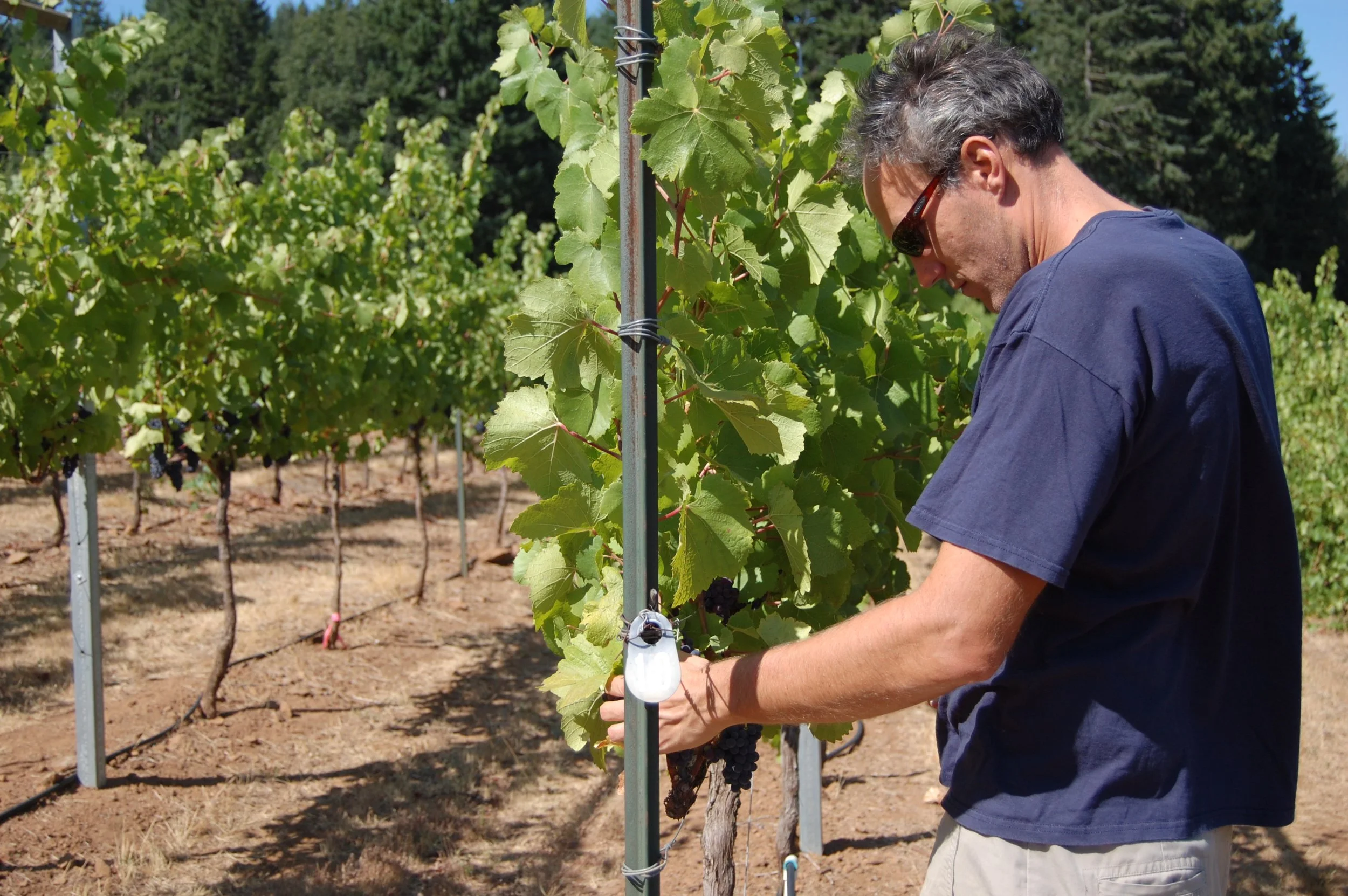
It should come as no great surprise that the reason wines from different regions don’t taste and smell the same is because no two regions share the same climatic, geographic and historic attributes. Indeed, wine styles can vary greatly from row to row within a single vineyard. And this is as it should be.
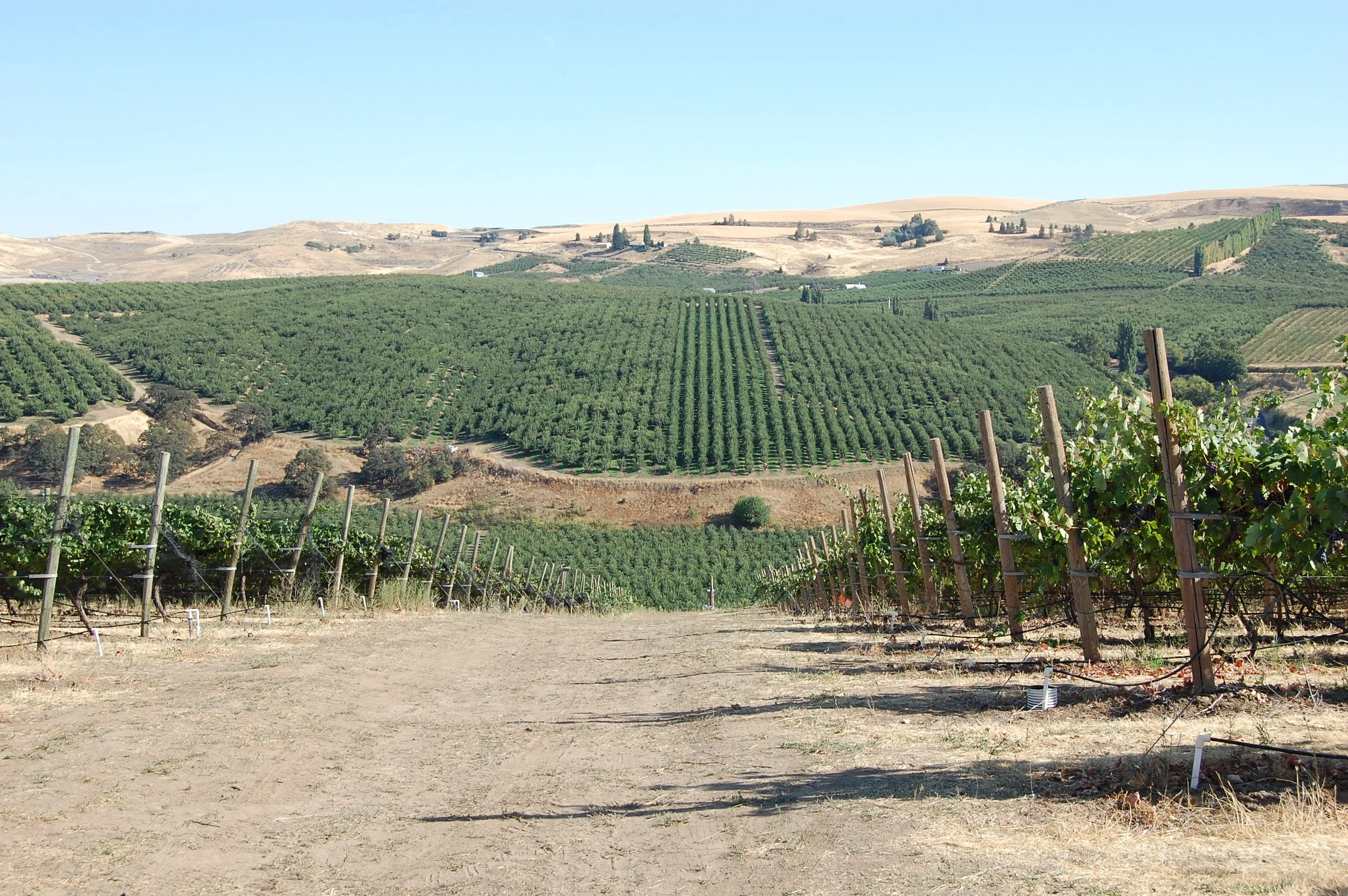
In the wine world, few things are more challenging, and thus rewarding, than developing the ability to confidently recognize the countless differences between one place and another; after all, there are reasons that a typical Puligny-Montrachet smells and tastes distinct from a typical Meursault even though both are made from 100-percent chardonnay and in close proximity to each other.
The Challenge and Reward of Understanding Terroir
Sadly, rather than exulting in the stylistic nuances that are intrinsic to and the very essence of terroir, we—meaning all of us: winemakers, importers, distributors, retailers, restaurateurs, writers and consumers—often throw up our hands in surrender at the prospect of making sense of what might seem senseless to the consumer we are trying to sell a bottle to (those in the trade) or learning enough to make a confident choice for a dinner bottle (the “un-schooled” consumer). Or, worse, we simply prefer that everything tastes pretty much the same in the belief that anything more is unnecessary and the province of snobs or obsessed “experts.”
What Happens When Wines Lose Their Sense of Place?
Of course, there’s nothing wrong with not caring about any of this. But that said, if you are one of those who does, it’s up to those on the supply side to give you something worth caring about.
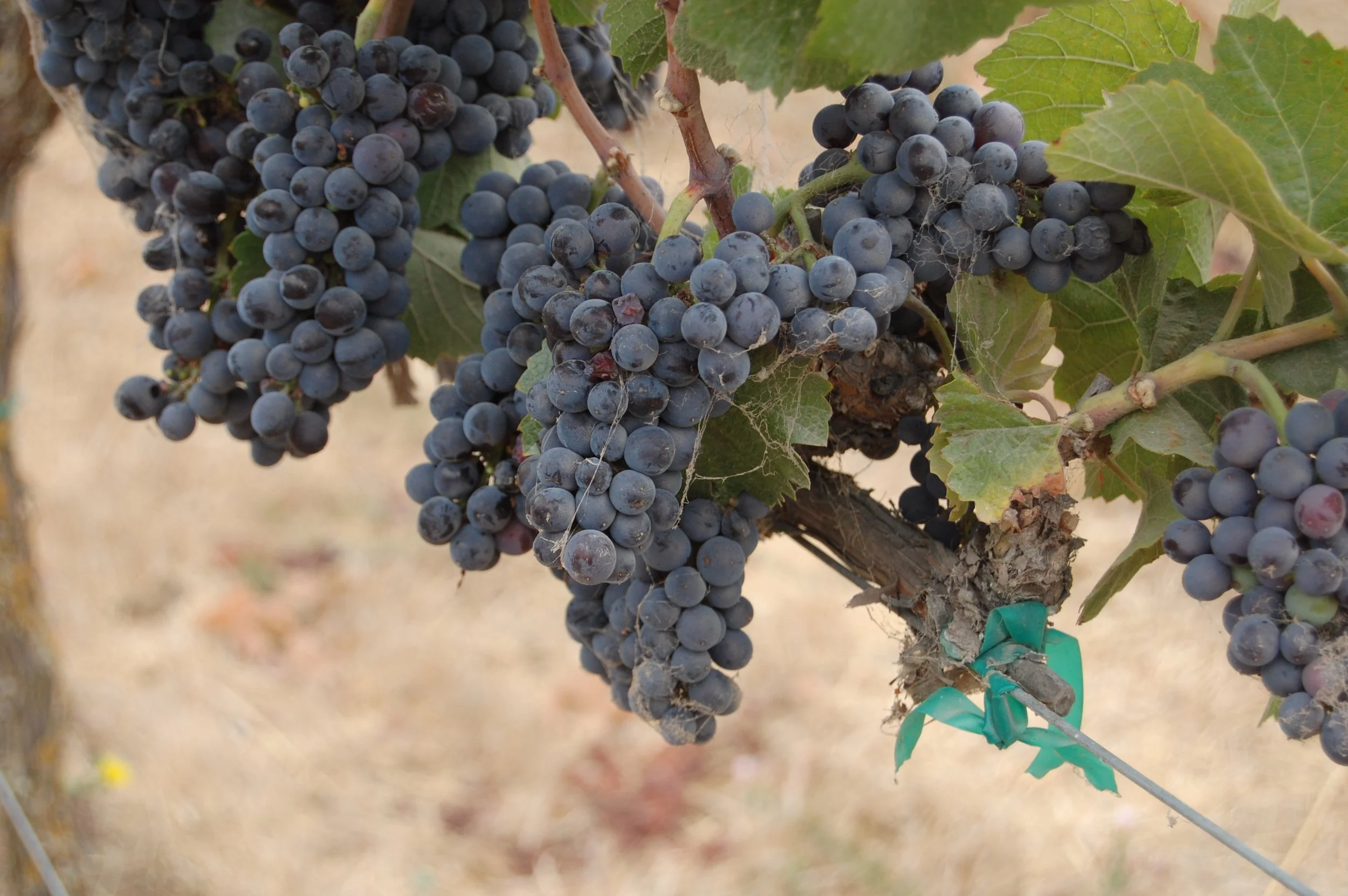
While every region has signature characteristics, which may range from historic facts to geographic markers to observations about the way the business of wine has been conducted there in the past and present, and most importantly, signature aromatic and flavor profiles, too often the race to create the “best” wine or the one that sells the most for less, directly conflicts with these identifiers.
By losing sight of what the French have termed terroir, a concept that resists a consensus definition but is universally agreed to be of the utmost importance, everyone in the supply and consumption chain loses.
Why Differences Are What Make Wine Interesting
What does not matter is whether I like or dislike Sauvignon Blanc from New Zealand. Or whether I or anyone prefers Sancerre to it. That Chianti whets my whistle is meaningless other than to me. For many, Chianti is just too acidic and lean. So what? That you love skin-contact “whites” and I don’t has zero import.
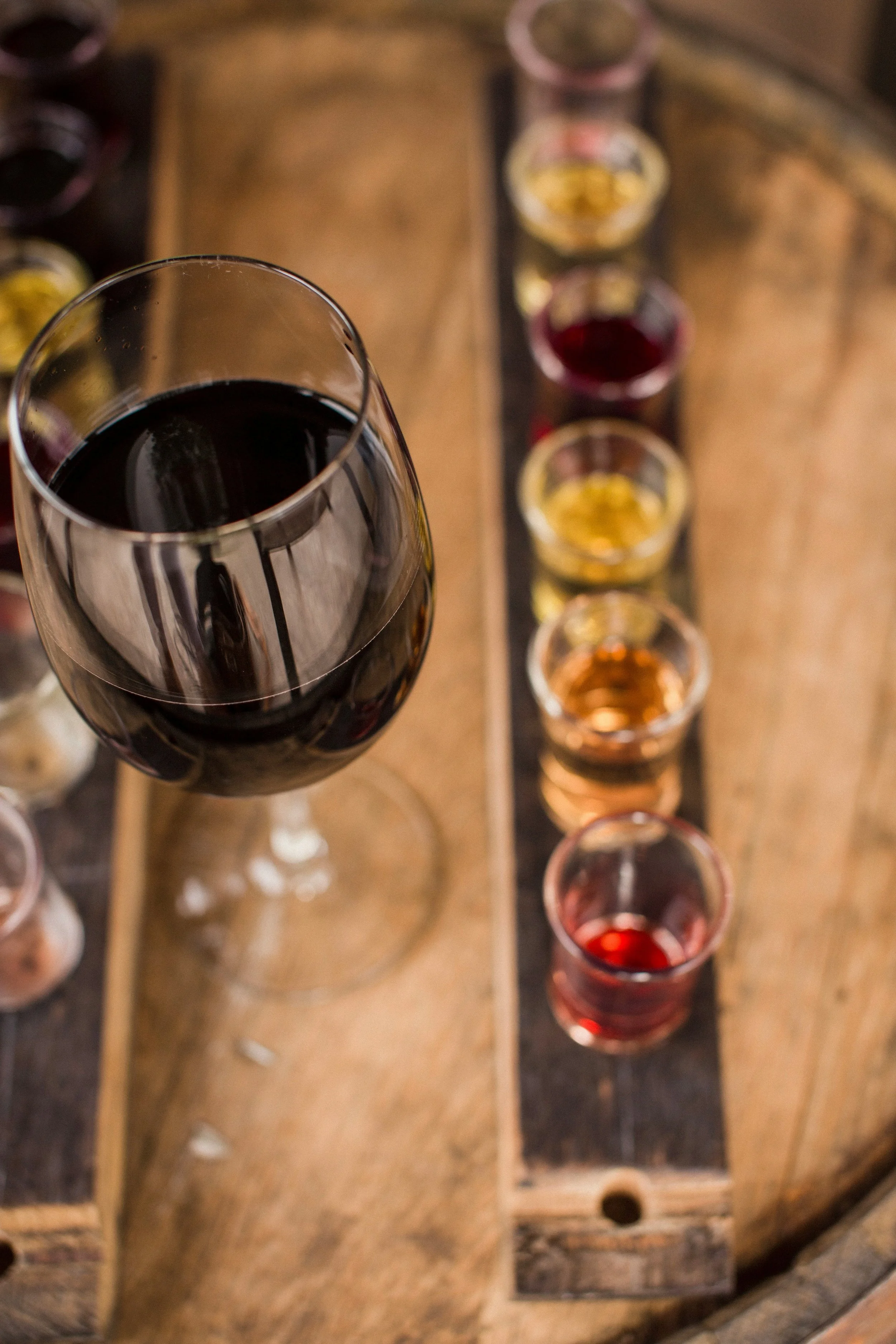
What does matter and matters a great deal is that all of the above is precisely what matters in wine. There are and should always be differences between that Kiwi SB and that version from the Loire.
In wine, unlike in life, what divides us—rosé, no way!—actually brings us together. Vive la différence!