

Tasting Barolo’s Royalty at a Fraction of the Cost
Why Barolo Holds Its Reputation
Barolo is probably Italy’s highest prestige red wine. There are certainly other more-than-worthy candidates. Barbaresco, Barolo’s considerably smaller, more compact neighbor just to the east that is also composed of 100% nebbiolo, is right up there. Brunello di Montalcino in Tuscany, Amarone in the Veneto and Taurasi in Campania each can make compelling arguments in their own favor.
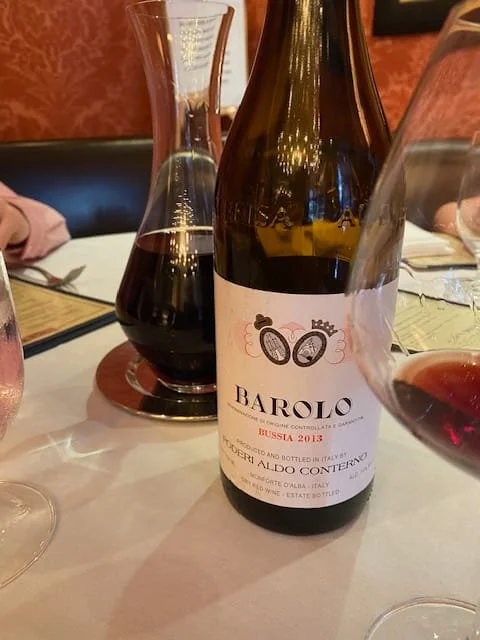
Barolo, however, has long been known as the king of wines, so let’s use that as the scale tipper, at least for purposes of this blog post. As you might imagine, all that pomp and circumstance generally comes at a high price. And while it would be great to be able to open up a bottle of Aldo Conterno, Gaja, Rinaldi or Giacosa, to name a few Barolo blue bloods, you’d better be prepared to drop anywhere from $150 to more than $700 a bottle for a seat at that royal table.
Whether these wines justify those prices isn’t really the point. But I can tell you from my days writing for a nationally distributed wine publication which got me a chair at that table, they are, in fact, fantastic.
You Don’t Have to Spend a Fortune
Yes, you can find excellent examples of Barolo for way south of $100, and by all means you should do so. Barolo’s combination of finesse, intensity and age-worthiness makes it truly one of the world’s greatest reds. I can honestly say that I don’t recall ever having a bad one. Certainly some producers in the $50 range (you’re not likely to find any much lower than that) are considered better than others, but there really isn’t any bad Barolo.
But the purpose of this post is to get you a taste of winemaking brilliance, not so much a taste of actual Barolo. So, instead of getting that second mortgage to finance a foray into the realm of the 1%ers, try the non-Barolo offerings by any of the top-tier, most-in-demand—read costliest!—producers. No, those wines won’t be Barolo, but they’ll be a fraction of the cost of one bottle. In fact, you could probably try three of four of that producer’s other offerings for less than the cost of one of the high-end bottles.
What to Look For Beyond Barolo
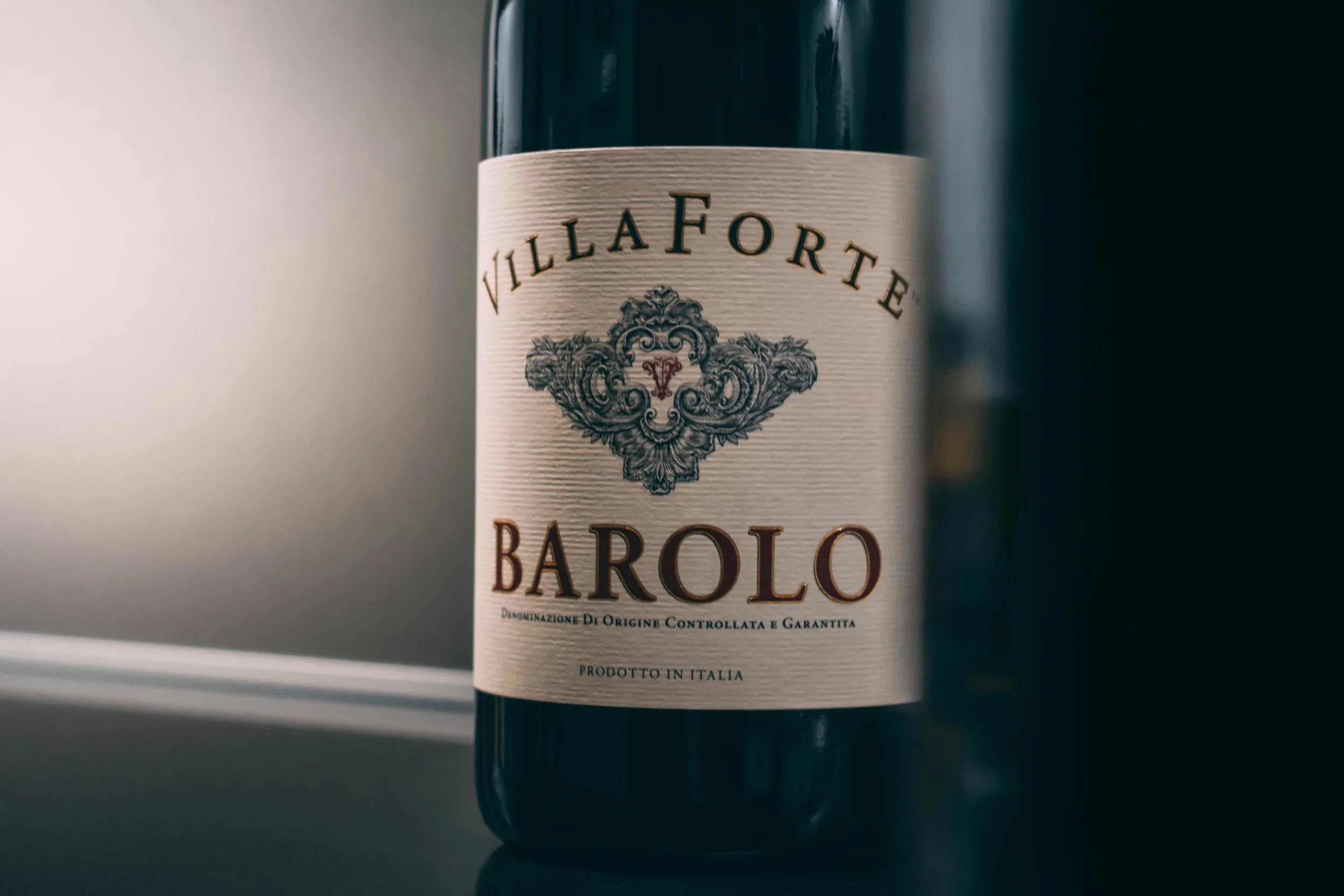
Doing this will truly show why that producer is so highly thought of. The brilliance of its Barolos will translate to any Barbera or Dolcetto made as well. And if you’re looking for a truer apples-to-apples comparison, many of these superstars bottle Nebbiolo in other guises. Labeled Langhe Nebbiolo or sometimes just Nebbiolo, these wines, while certainly not as nuanced and interesting as Barolo, promise to deliver a version of that brilliant winemaker’s vision.
These “bargain Barolos” may pique your interest such that you’ll want to spend more to try less expensive Barolos from the many that are widely available. Barbera and Dolcetto don’t resemble Nebbiolo at all. I do love them, however, and they are both great with food. Nebbiolo, whether the noble Barolo or the lesser versions, usually presents as red fruited, cherry, dried or fresh, floral and often wisps of tar.
Barbera is plusher (few red grapes have nebbiolo’s tingly fresh acidity, a contributing factor to its long shelf life) black fruited and vibrant. Dolcetto, despite starting with the Italian for sweet, is dry, sometimes prickly fresh.
A Personal Approach to Buying Smarter
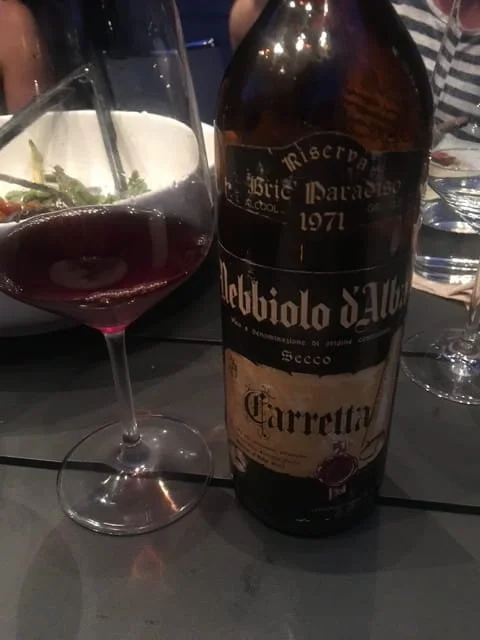
For me, I’ve always loved buying bottles of great producers’ Barberas even more than their lesser Nebbiolos. There’s something intriguing about seeing royalty interact with the common people, so to speak! Look for bottles labeled with the appendage d’Alba or d’Asti as these are the two best barbera growing zones.
The best part about this exercise is that it applies to really any high-end producer’s “secondary” offerings, be they from Burgundy (you’d love that Montrachet but save a fortune and try the Bourgogne Blanc) or Napa (the single-vineyard Napa Cab will set you back a few days pay but the more humble Napa Valley won’t).
We may not be able to live in the world of the exalted Barolo producers but we can at the very least visit!