

A Beginner's Guide to Loire Valley Wines: Grapes, Regions & Styles
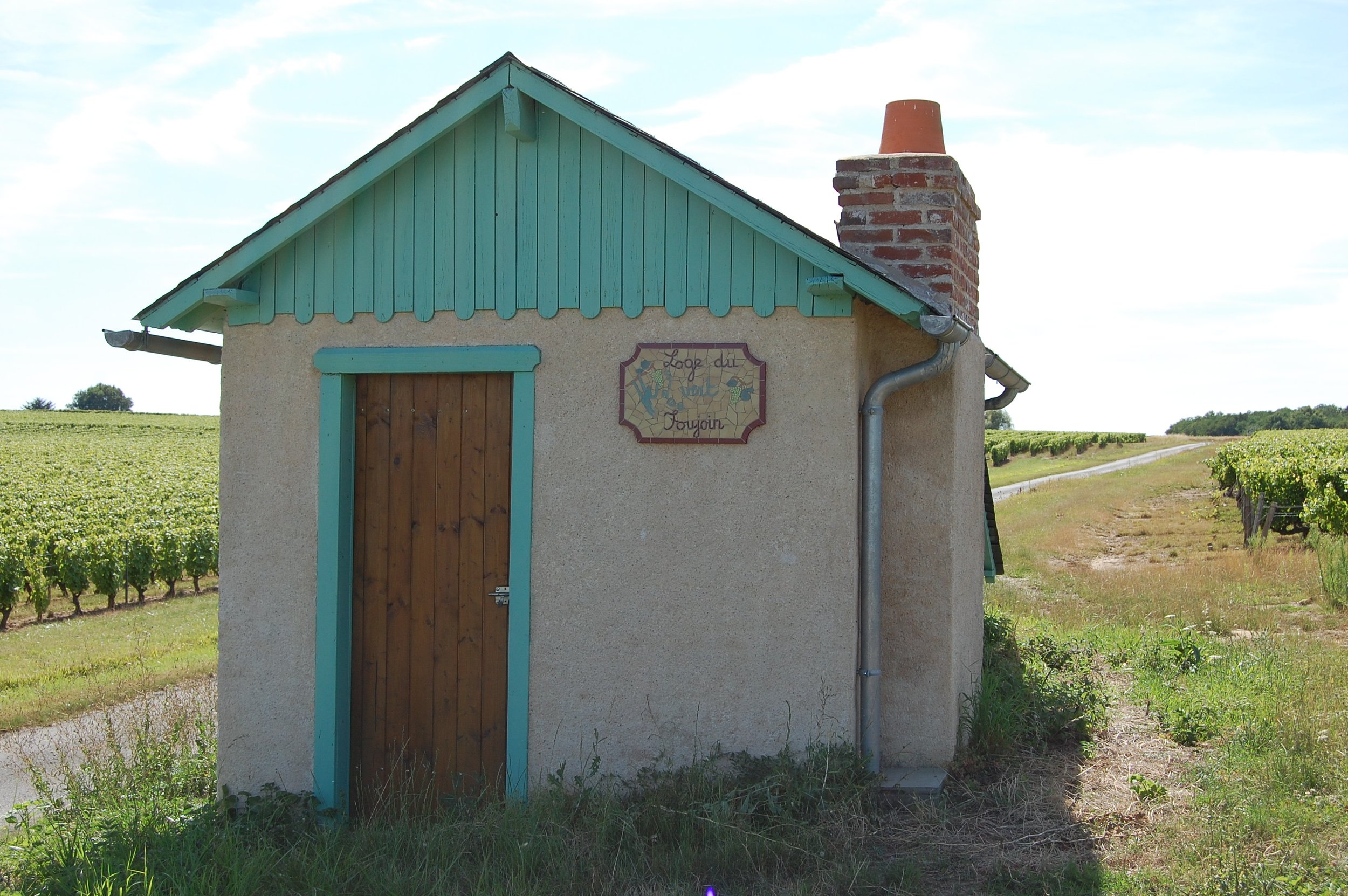
The sprawling Loire region is far and away the world's most diverse wine-wise. It tracks the mighty Loire, France's longest river, as it snakes through just about every kind of high-quality vine-growing zone. From chalky to muddy, rocks to river-lapped sand, chilly to practically Mediterranean, the Loire has it all. Planted in that crazy quilt of vineyards is a similarly wide range of red and white grape vines, the most important of which are probably not on the list of most consumer favorites.
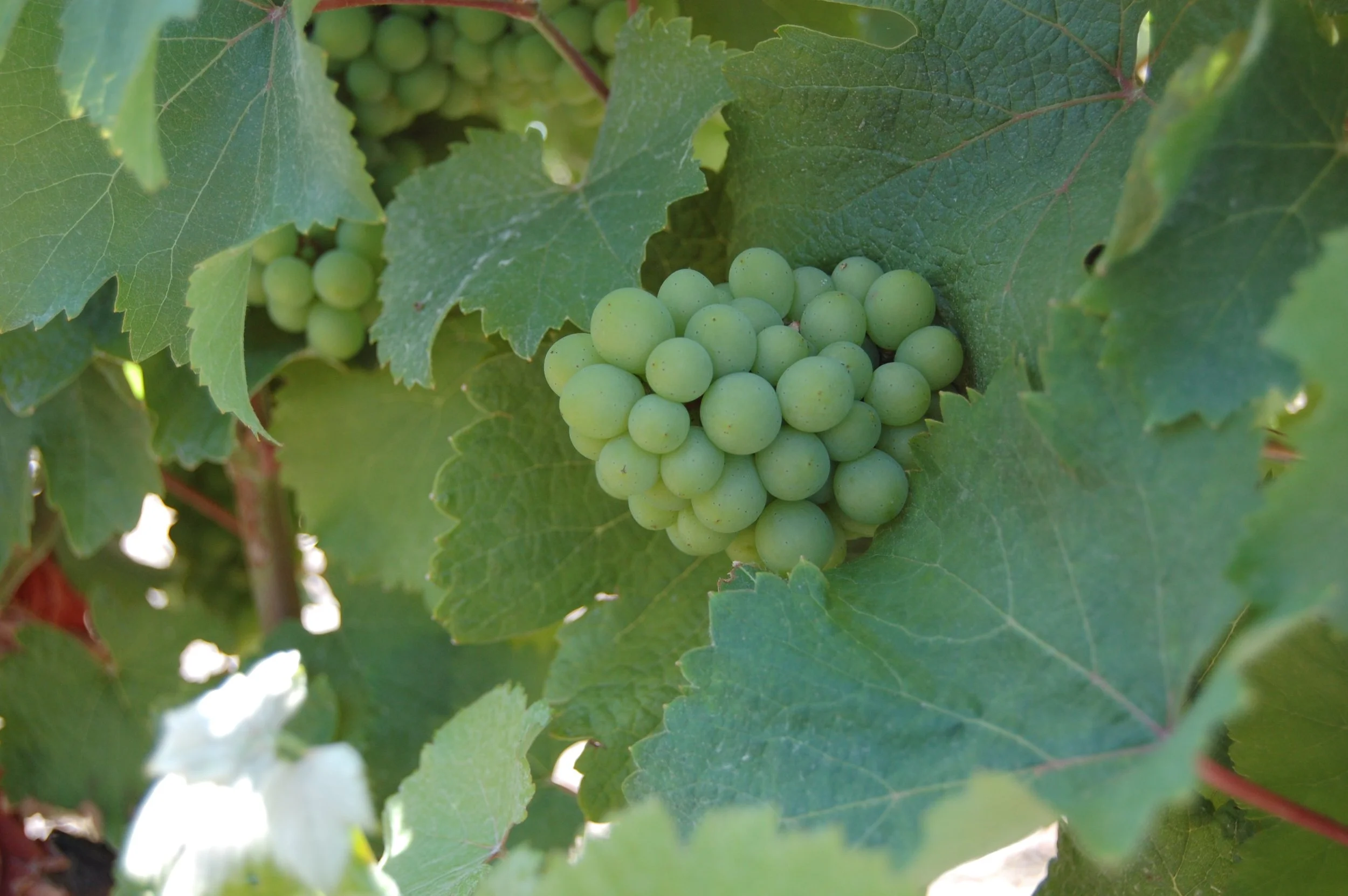
The Grapes That Define the Loire Valley
That’s right, the Loire isn’t about chardonnay, merlot, cabernet sauvignon and pinot noir (though all of these can be found there). The Loire’s greatest wines are made with chenin blanc, sauvignon blanc and melon de bourgogne for the whites, and cabernet franc for the reds. From these grapes come every meaningful style of wine known in the world today. There are incredibly rich and age-worthy sweet wines thanks to chenin. Brilliantly steely dry whites thanks to sauvignon blanc and melon de bourgogne (better known for the wine it makes, Muscadet.
Many experts would argue that Muscadet is far from great, but there is simply no better shellfish wine in the world; if there is merit in being neither more, nor less than what a wine should be, then Muscadet is indeed a great wine.). Perfumed and sometimes meaty dry reds thanks to cab franc. And very good sparklers thanks to all of the above, save melon.
And this diversity is the Loire’s inherent problem with consumers. It’s impossible to generalize about the region, and few consumers—or those in the trade, for that matter—are willing to spend the time necessary to learn about its various “sections.” There are many of those as well, but the ones that I find to be most compelling are the far west (Muscadet), the western portion of the center (Savennières, Chaume and Vouvray for whites, and Chinon and its environs for reds) and the far east (Sancerre and Pouilly-Fumé). At least the major grape varieties are not found in any force in more than one of the sections I’ve focused on.
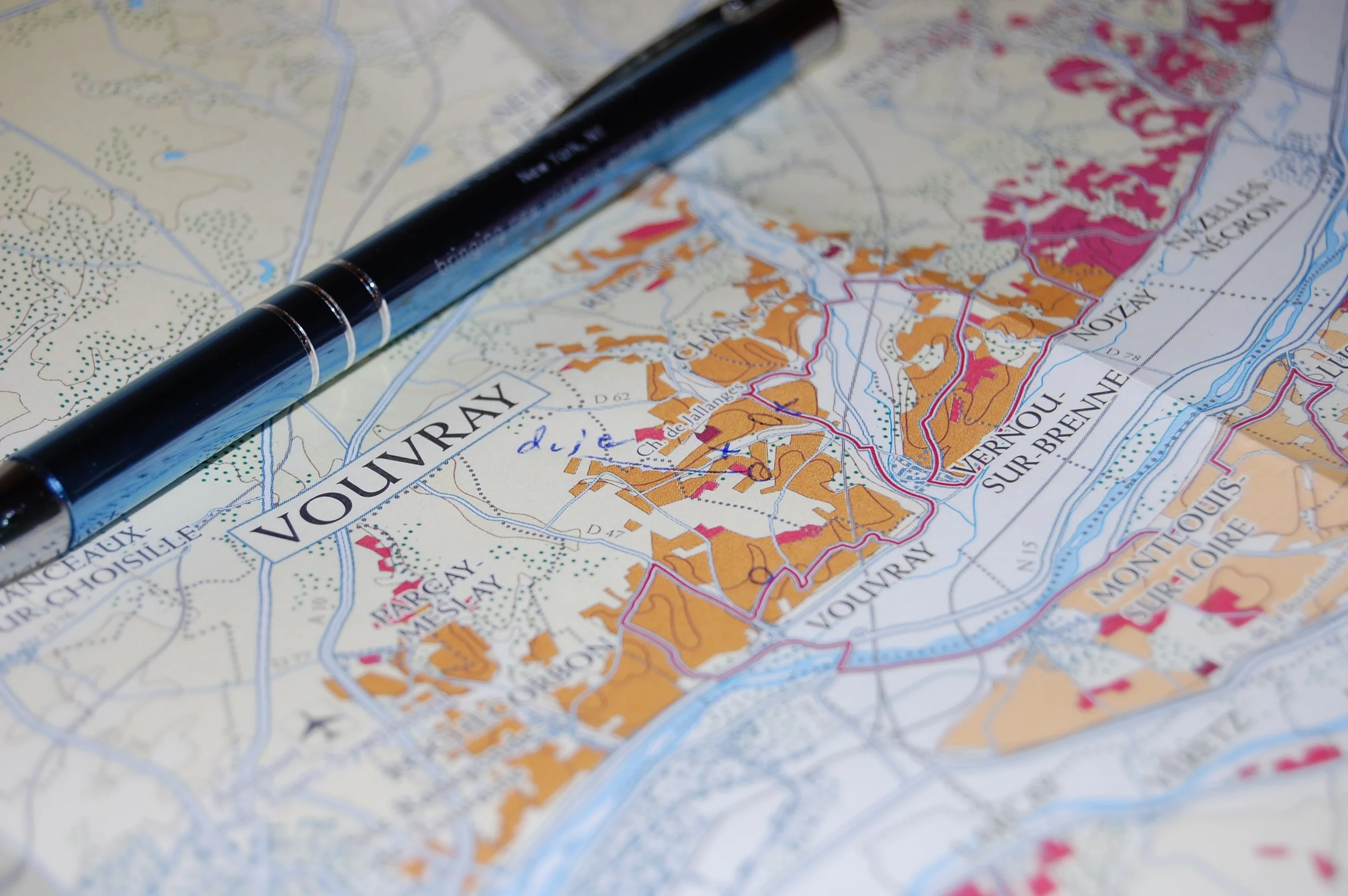
Exploring the Loire Valley's Most Important Wine Regions
The far west is all about melon de bourgogne, probably because no other grape could thrive in the somewhat inhospitable climes near Nantes and the Atlantic Ocean where Muscadet is found. In the west-center, the best whites are made with chenin blanc even though other white grapes are cultivated there as well.
The same could be said for the reds of this section; there are other red grapes in the area surrounding the historic city of Tours, but cab franc is the source of the best of this section’s reds. And finally, in the far east quadrant, sauvignon blanc’s purest expression begins in the gently sloping vineyards of Sancerre and Pouilly-Fumé, both of which literally face off against each other on either side of the river.
There is a great deal of pinot noir here, and while they are often very good, they are no match for Burgundy’s versions. That said, they are a whole lot less expensive.
There. The Loire in four paragraphs!