

How to Order Wine When You Don’t Know Anything About Wine
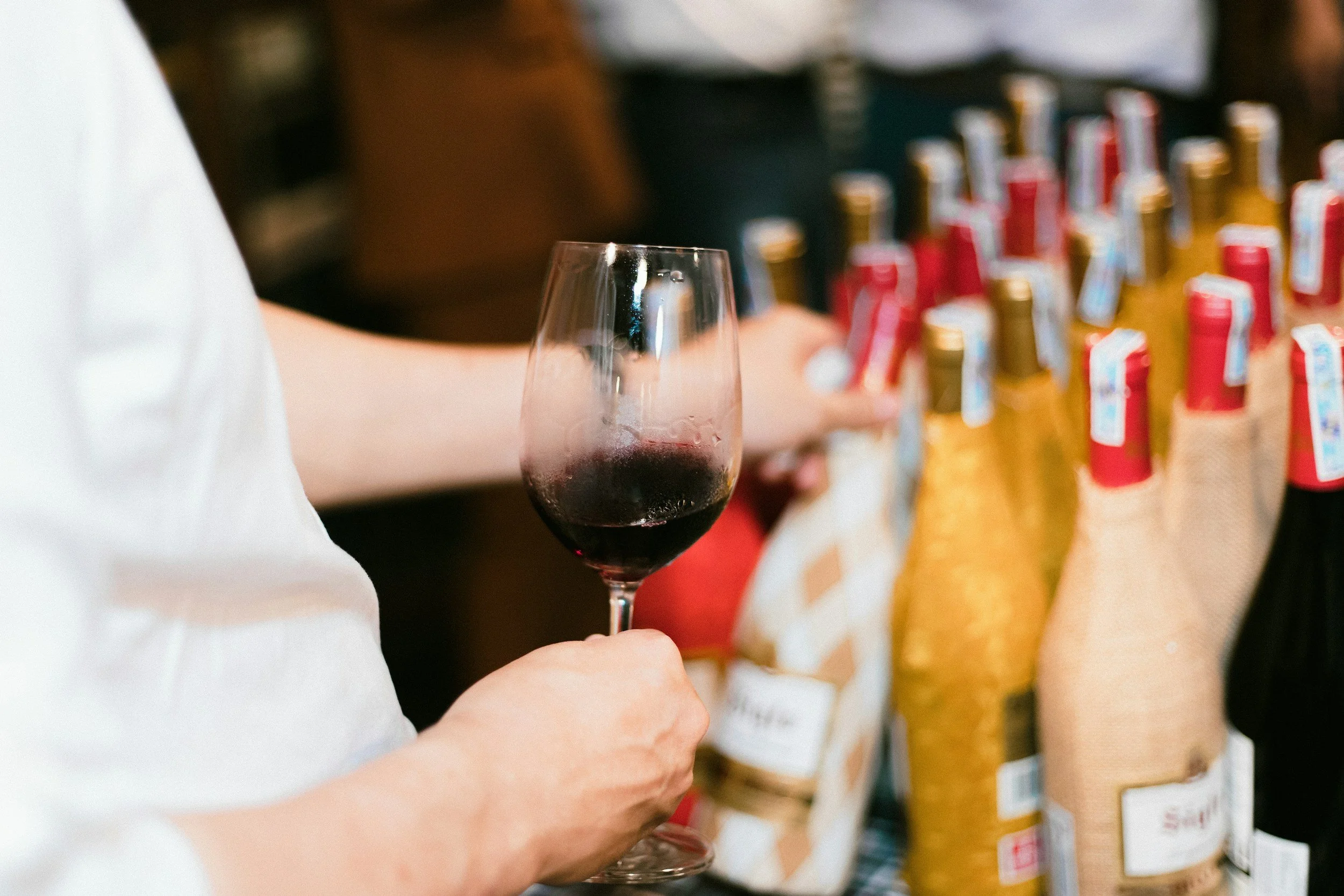
When You’re Put in Charge of the Wine
So, there you are on that first date or taking out a client for the first time. You’re not much of a wine drinker, and other than being able to see that whites are white-ish in color and reds are reddish, you couldn’t say whether a Cabernet Sauvignon is in the former or latter category. Rest assured, you’re far from alone.
Of all the situations I’m asked about when I do tasting events, being tasked with choosing a bottle for others at the table is far and away the one most fraught for the most people. Interested in the subject or not, if you become the default chooser (undoubtedly because everyone else in your party is equally or more so at a loss) you still have to get through this short but stressful colloquy.
And your duty to yourself and your table mates can’t simply be pawned off on the sommelier or server. You’ll be looked at quizzically if you ask the somm to choose for you. As talented as most somms are, they simply can’t help you unless you help them help you. What follows are a few talking points to get you safely to the other side. That is, raising a glass to your lips.
The One Thing That Actually Matters: Budget
There is actually only one piece of information the somm truly needs and it is not dependent on your wine knowledge of lack thereof. And you have zero excuse for not knowing the answer to this one question the somm will ask you. How much do you want to spend for that bottle or glass? That’s it.
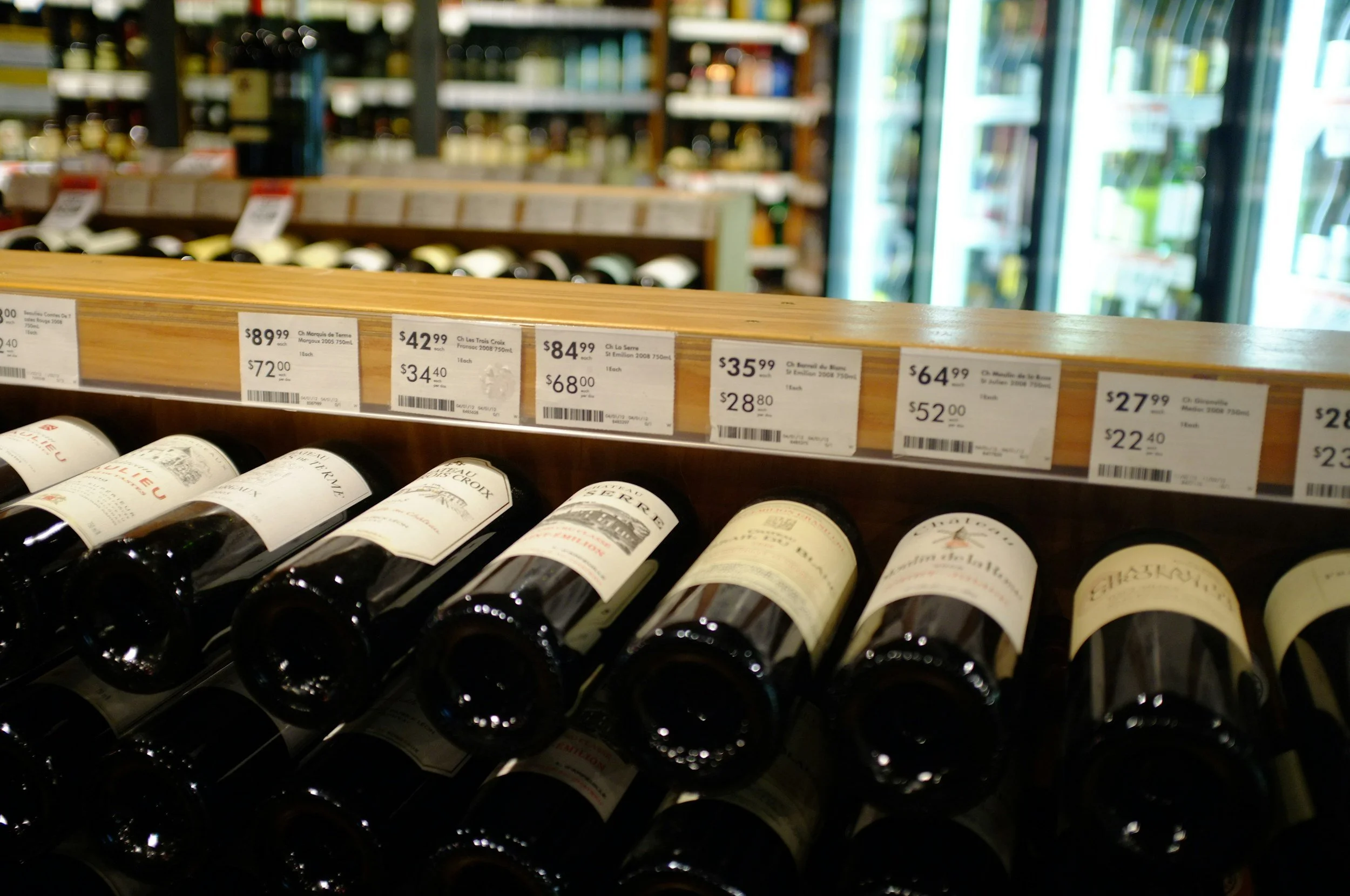
That said, be realistic. If you’re in a nice restaurant, you can’t expect a bottle to cost what an entrée does. In other words, even if you think wine is disgusting, you’re not going to find any $25 bottles on a list when that’s what your pasta costs. Yes, there are indeed many, many wines that are in that price range. However, they all reside on wine store shelves.
Understanding the Price of Wine at Restaurants
You can complain all you want about restaurant markups (they are routinely 2-3 times the wholesale price which equates to that $25 bottle on the shelf landing somewhere around $50 on the list and often bit more) but they haven’t changed much since I’ve been in the business and aren’t likely to going forward.
If you’re the one footing the bill, then by all means, spend as much as you want, but if your group is going Dutch, try to get a sense of what people feel comfortable spending and try to do so before the somm makes her rounds.
The hard part is now over!
Here are few extra credit topics to consider, none of which is difficult to get a handle on but they give your somm incredibly helpful information, all of which goes a long way toward maximizing your wine experience pleasure.
Start With What You Like (and Don’t Like)
If you know enough about wine to know what you like. Or even better, what you don’t like. You’ve given your somm all he really needs to know (other than your budget) to select an appropriate bottle or glass. Again, it’s good idea to reach a bit of consensus with the rest of your table but often most if not all the others will just defer to you. Try not to get caught up in matching the wine to what each person is ordering. It’s not like wine/food pairing doesn’t matter. It’s just that there are very few “perfect” pairings and just as few terrible ones, but there is a universe of good to better-than-good ones in between, so it’s best just to not sweat it. (The cookbook I coauthored has a huge wine/food pairing focus. If you happen upon it, I guarantee that you’ll be able to master the handful of matching strategies in no time.)
As a quick aside, if there are at least two others in your group, don’t order by the glass. SOP for restaurants is to pay for the bottle with the sale of one glass. In other words, if the bottle costs the restaurant $15, that single glass will cost you $15. The rest is, as they say, gravy for the restaurant. But that $15-wholesale bottle will have four or five glasses in it, so you get much more bang for your buck by just ordering the entire bottle.
If Your Go-To Wine Isn’t on the List
Maybe you love Sauvignon Blanc from New Zealand. I don’t, for the record! But there isn’t one on the list. Fear not. If you tell your somm that, he’s guaranteed to have at least a half dozen other options that act in a similar way as that NZ SB you prefer.
The flip side is if you’re like me, you would just say that you don’t really like Sauvignon from the other land down under. This dismissal actually tells your somm even more about you as a wine drinker. The reason I don’t particularly care for this wine is that I think it’s simply too shrill. It’s like the wine screams, “Look at me! Look at me! I’m just so green and zesty!” Of course, that’s exactly what most who like it like about it. Fair enough, and no judgment on my part (you still rosé lovers, on the other hand, are a different matter, but I will not judge you to your face but I will still judge you!).
Or maybe you just prefer fuller-bodied whites and you think that SBs just don’t have enough there there. Your somm has many options to choose from knowing this bit of preference.
A Little Knowledge Goes a Long Way
And that’s really all there is to it. Budget, likes or dislikes and textural preferences or aversions. Of course, there are many, many other data points that can be presented to your somm or server but she doesn’t really need more from you unless you want to provide it.
In this example, you singled out New Zealand and a grape from that place. Good on you! Somms love regional specificity. You’d get another gold star if you went even more local like, “I love Chablis.” This factoid tells the somm that you prefer unoaked Chardonnay from cooler climates as opposed to rich, buttery Chards from the New World or lighter-textured whites like most SBs or Portugal’s Vinho Verde, for example.
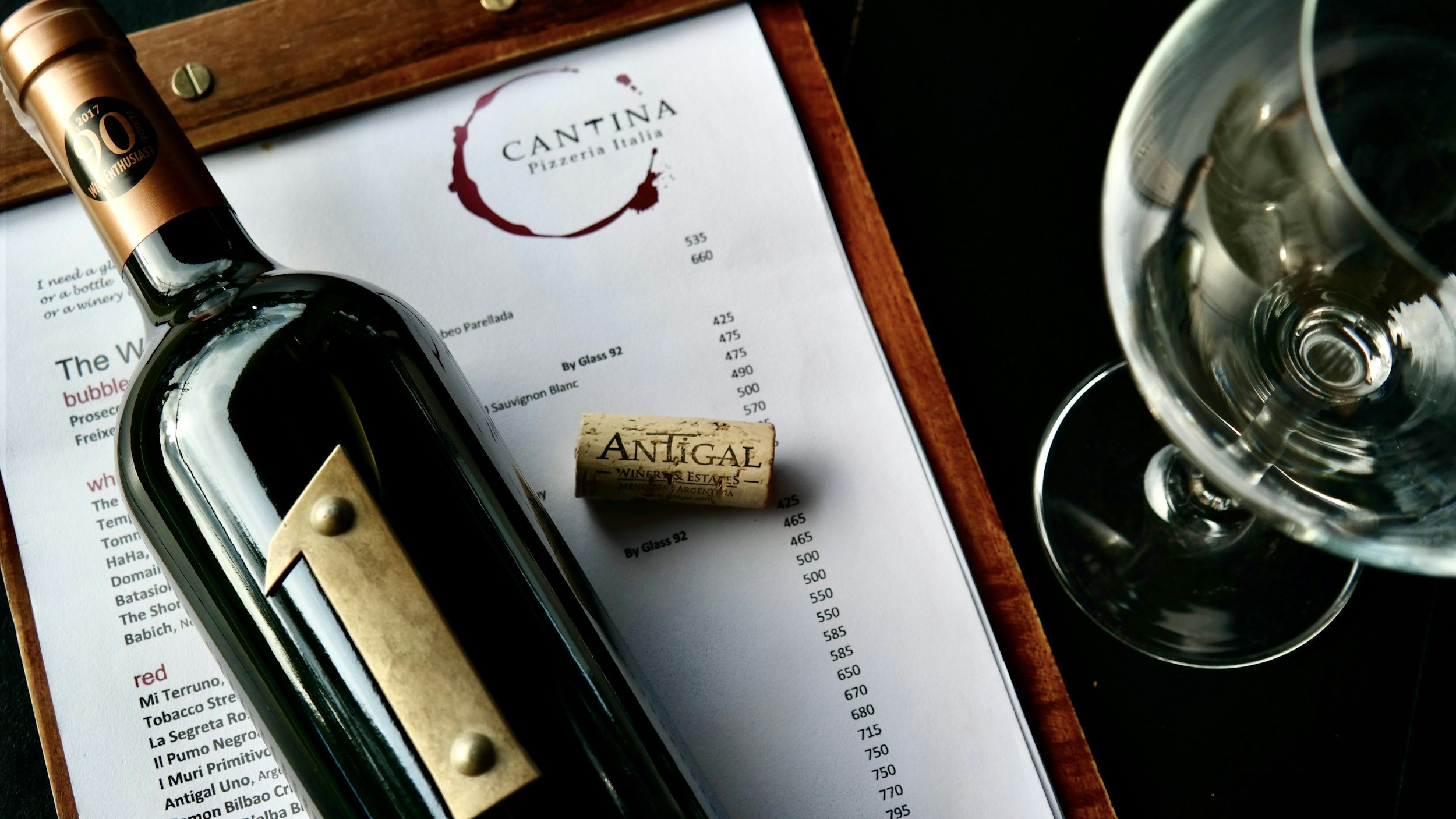
What Happens When the Bottle Arrives
And this strategy holds equally well for reds and bubblies. See, this wasn’t so hard after all. But what do you do when she comes back with that bottle to present to you? I can guarantee that you’ll be just as unnerved in this final part of the process.
The good news is that I have already written two blog posts demystifying this aspect of the you/somm dance! Salute!
********
Restaurant Wine Etiquette 101, or How to Dance With Your Somm, PART 1
Restaurant Wine Etiquette 101, or How to Dance with Your Somm, PART 2