

How to Host a Wine Tasting at Home: A Step-by-Step Guide
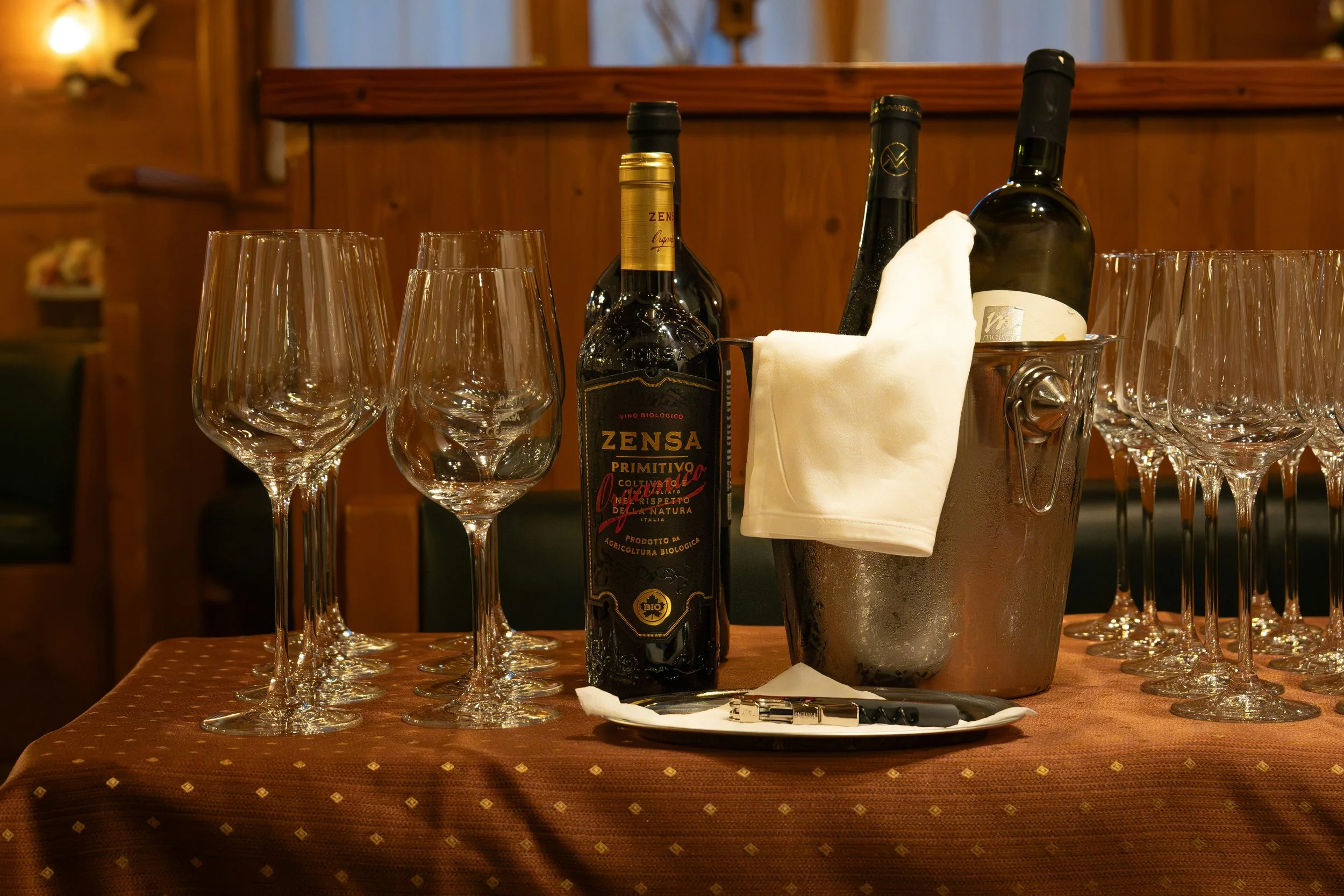
It’s true that you could hire me to put on a wine tasting for you and your friends. And while there is a certainly a lot of value added by having someone like me present a range of wines to you and your guests, and engage you in thoughtful and fun back and forths, you could host your own. Perhaps the dive into the wines won’t be quite as deep, but it certainly can be just as fun.
This post will give you a guide to you what you need to know to ensure that you put on a successful event. And the best part is it’s not rocket science. That said, there are things that you have to do to pull it off in the best way.
Choose a Theme for Your Wine Tasting
Figuring out what wines you want to present can be fraught especially if you yourself aren’t super knowledgable about wine. First of all, don’t beat yourself up. Most consumers don’t really know much more than what they like and don’t like, and wouldn’t know a Pinot Noir from a Pinot Gris. There’s no shame in that. But if this is you, I promise that you can still host and take the lead in a tasting.
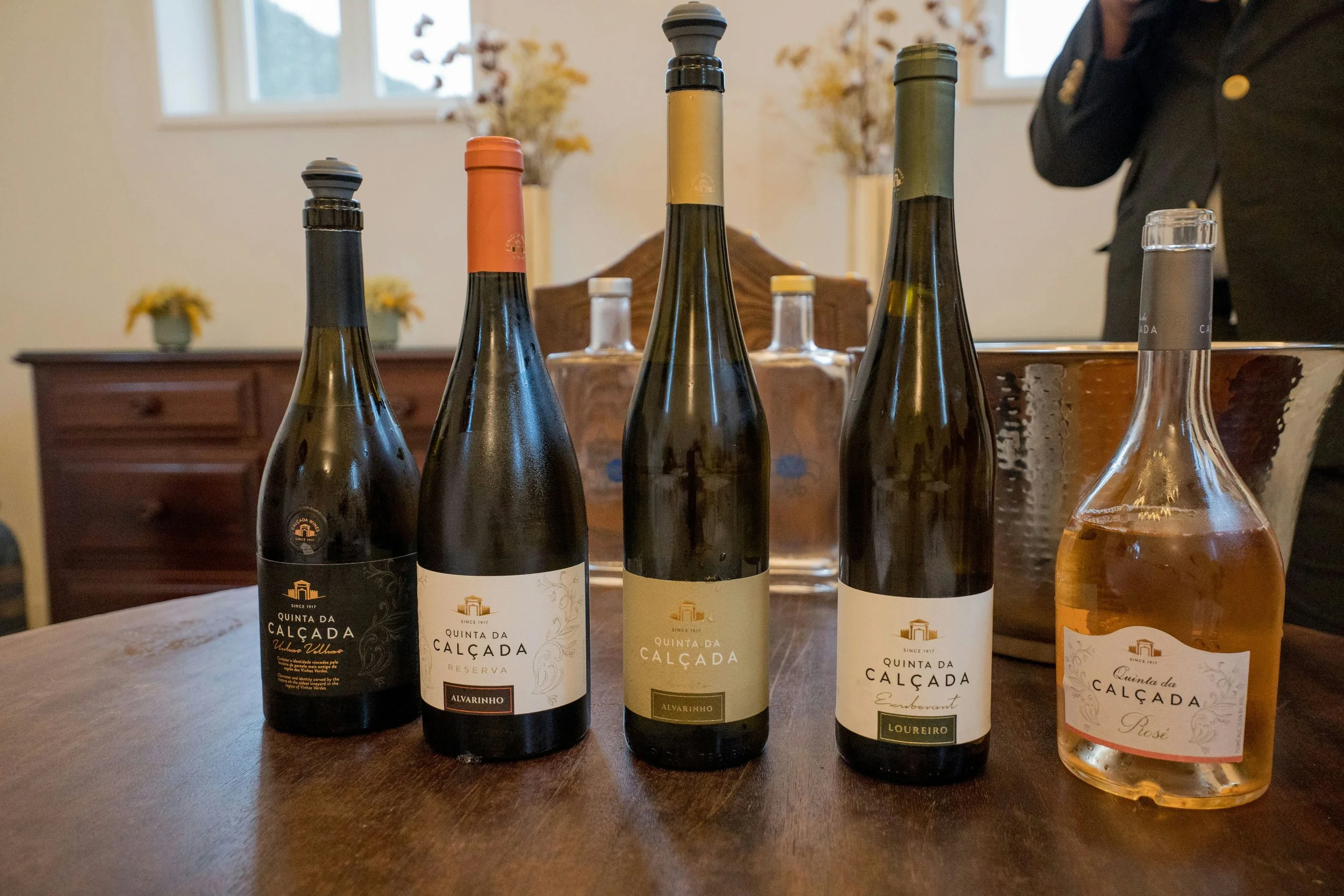
The options are limitless. It’s summer now, so summer whites and reds (yes, reds - Summertime and the Drinking is Easy). Or, if you’re a big French wine fan, a selection from different parts of the country. A variation on picking a country to focus on is to pick a wine that you like, let’s say Sauvignon Blanc, then gather SBs from several other parts of the wine world, such as New Zealand, France (Sancerre is the best known), California, Chile, or wherever because sauvignon blanc is grown just about everywhere.
So, just think along the lines outlined above; you’ll no doubt come up with a bunch of other themes. While you can certainly just do whites or just do reds, all of my events have been some combination of whites, reds and sometimes sparklers. At the end of the day, we all have preferences and if your good friend only drinks Pinot Noir, she’ll be miffed if there’s nothing but whites in front of her.
How Many Bottles of Wine Do You Need for a Wine Tasting?
That depends on how many will be tasting. I’ve done tastings for 50, 30, 20 on down. I can tell you that eight tasters is a good number if you want to be able to have a free-flowing, back and forth discussion. Once you start going north of 10, it’s hard for everyone to get their two cents in. Also, keep in mind that your guests are going to need to be seated. Actually, that’s not really true, but it is ideal from a tasting perspective (more on that below). If you live in New York City like I do, not many of us can seat more than six or eight people at one table comfortably, so think about where you would set up.
Calculating the Right Number of Bottles
You’ve settled on eight including yourself. That’s a good number because a 750-mL bottle has 8-10 proper tasting pours in it. That may seem like a lot but tasting pours are about 2 ounces, not the double that or more you get when you belly up to the bar for that glass of Merlot. The reason the tasting pours are smallish is because, well, you’re tasting the wine not savoring a glass or two. And, of course, there will be multiple wines that your crowd will be tasting through.
The math here is simple. For eight of you, you’ll need a bottle of each wine. When I do events, I usually recommend that the hosts buy an extra bottle or two of each wine because people will invariably want to revisit some or all of the wines. And if your event bleeds into an impromptu dinner party, you’ll want to be able to keep those glasses full.
How Many Wines Should You Serve?
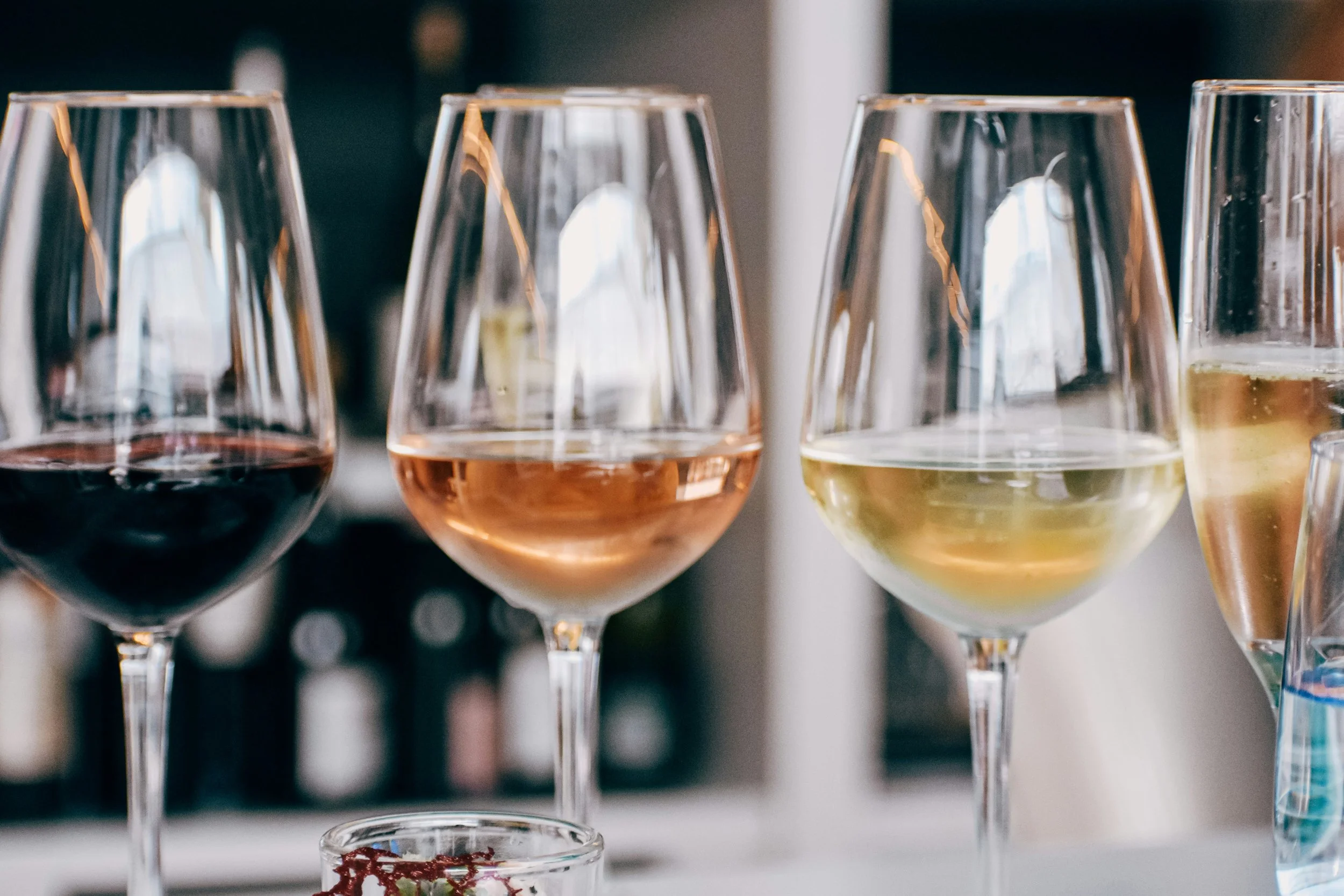
Speaking of bottles, how many different wines do you need to show? Really, any number you want is fine but I tell the hosts I work with that less than four isn’t ideal and more than eight is really too many. I think four is the sweet spot but add a few more if you’re so inclined. But keep in mind that regardless of whether you’re tasting all reds, all whites, sparklers or some combination of all of the above, you’re going to need these wines to stay at an acceptable serving temperature and this is harder to do the more glasses you have on the table. It’s true that you could stagger the pouring by doing a few wines at a time but I think this just brings the momentum and flow to a halt. For me, there are few things sadder than wines, whether they’re whites out reds, coming out too warm or too cold (See It’s Not Me, It’s You or Why I Ask My Sommelier For Ice Cubes).
OK, you have your theme, a guest list and the number of wines to be tasted along with the number of bottles of each you’ll have to get.
Preparing for Your Wine Tasting
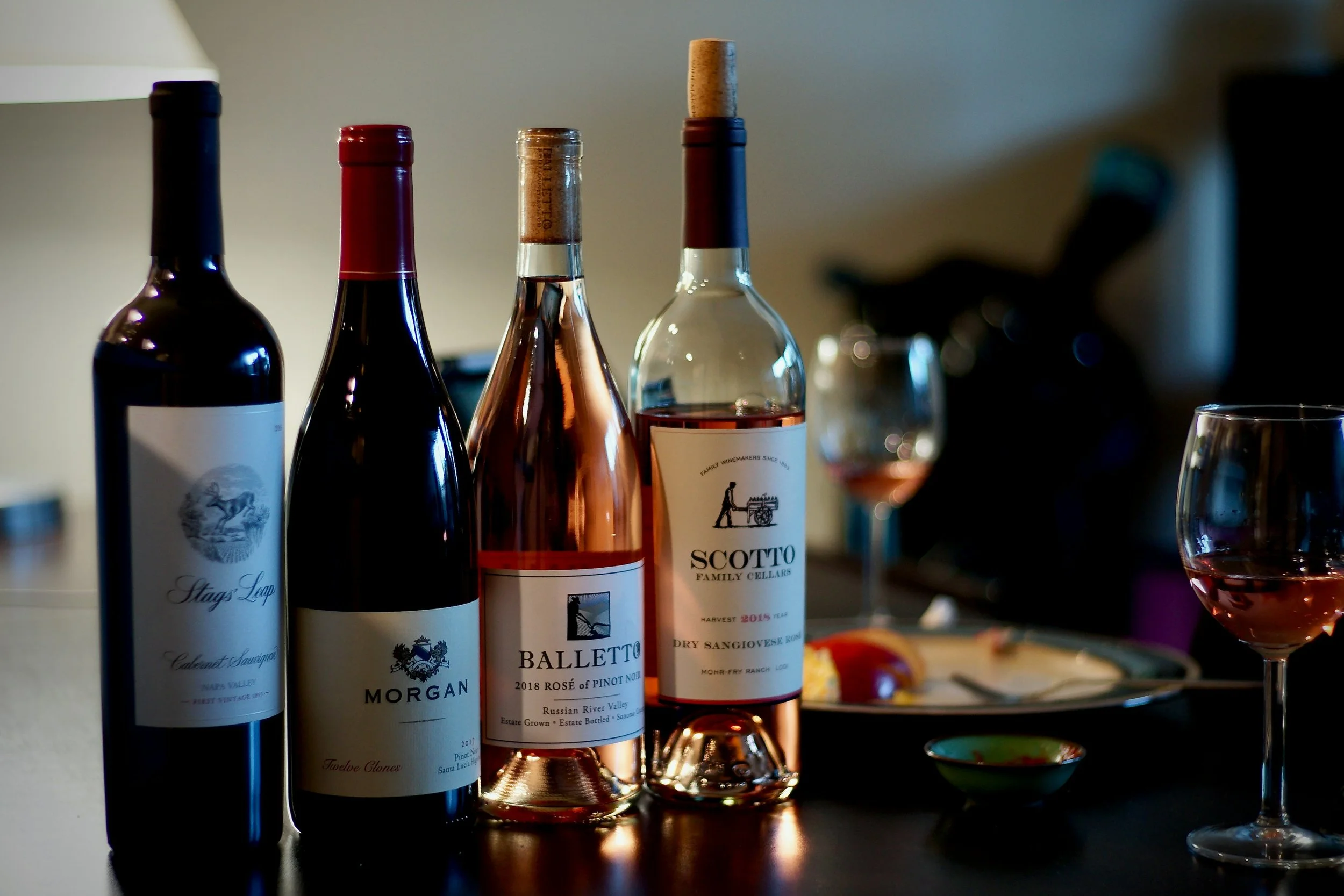
It’s a good idea to pick up or have the wines delivered a few days before your event to ensure that there are no last-minute issues. Once you get the wines, if you have the space, put the whites in your fridge. Don’t make the mistake of thinking you can do this an hour or so before the event. If you do, I can guarantee that the whites will not be ready to go when you sit down. Yes, fridge temp is too cold but they will come into that acceptable range fairly quickly once you start pouring. But if they’re too warm, short of delaying your start, there’s not much you can do other than dumping ice cubes into the glasses which isn’t ideal.
The reds, regardless of what they are, should be put in the fridge for an hour or so before just to get them a bit of a chill. I’ve written plenty of times that reds served too cold show alcohol, oak and tannin and not much more but, again, even if they are a bit too cool upon pouring, by the time you’ve worked your way through the whites, they’ll be good to go.
Keeping Your Wines at the Proper Temperature
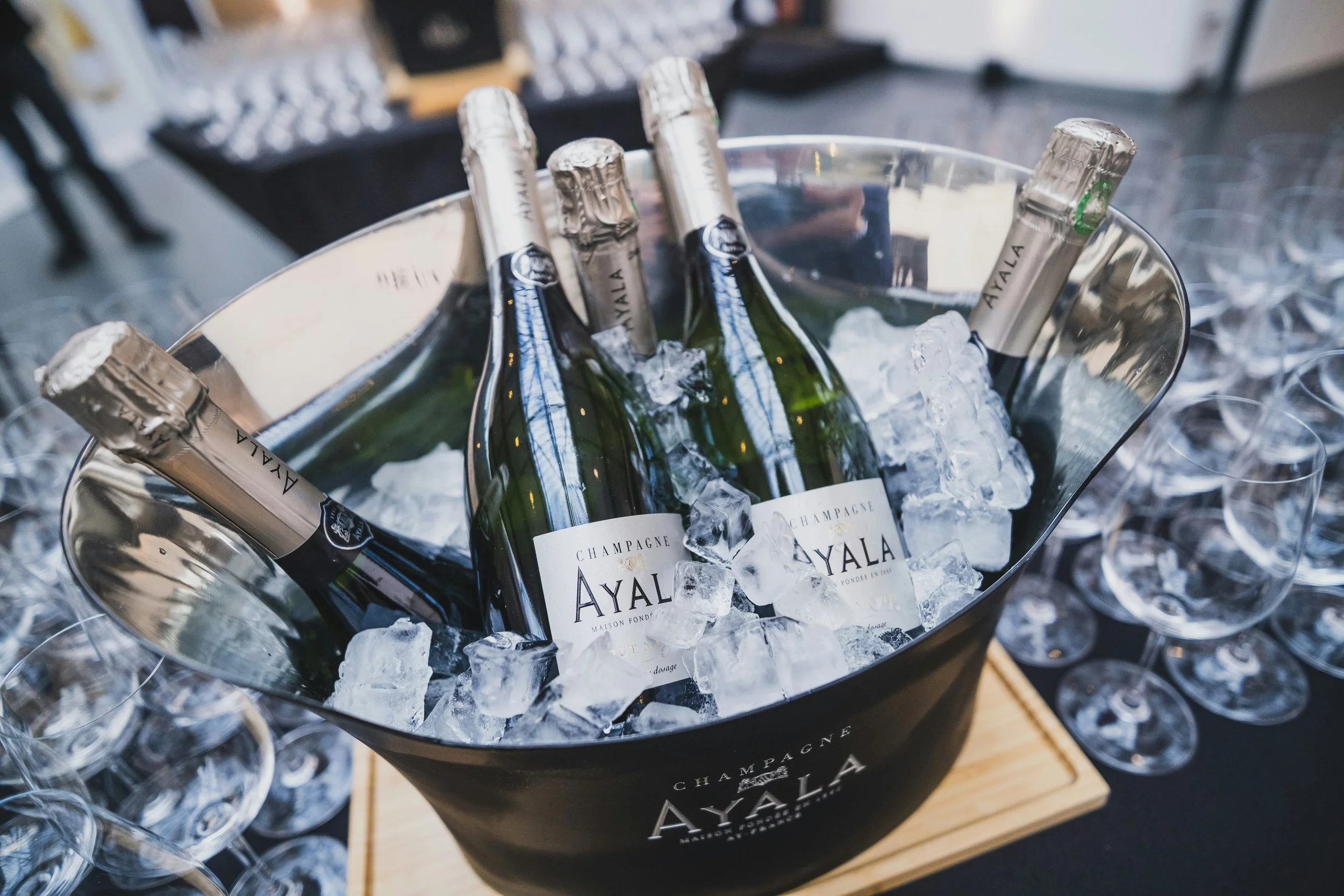
To keep the wines properly chilled for the event, you’ll need something to keep them in along with plenty of ice (more than you think you’ll need). Single-bottle ice buckets are useless.
First of all, they only hold one bottle. More important, even if you have ice and water in one, they do a terrible job of keeping bottles at temp. While it may not be glamorous, big coolers like you see at tailgates are best. You can cram at least a dozen or more bottles in large one along with lots of ice and a good amount of water. Keep in mind that air is a very inefficient conductor but water is an excellent one.
There’s no point in going to the trouble of properly pre-chilling all those bottles and filling a cooler up with ice if the wines won’t stay within a good temperature range, and they won’t if you just rely on the ice to take care of this very important part of the process.
Choosing the Right Wine Glasses
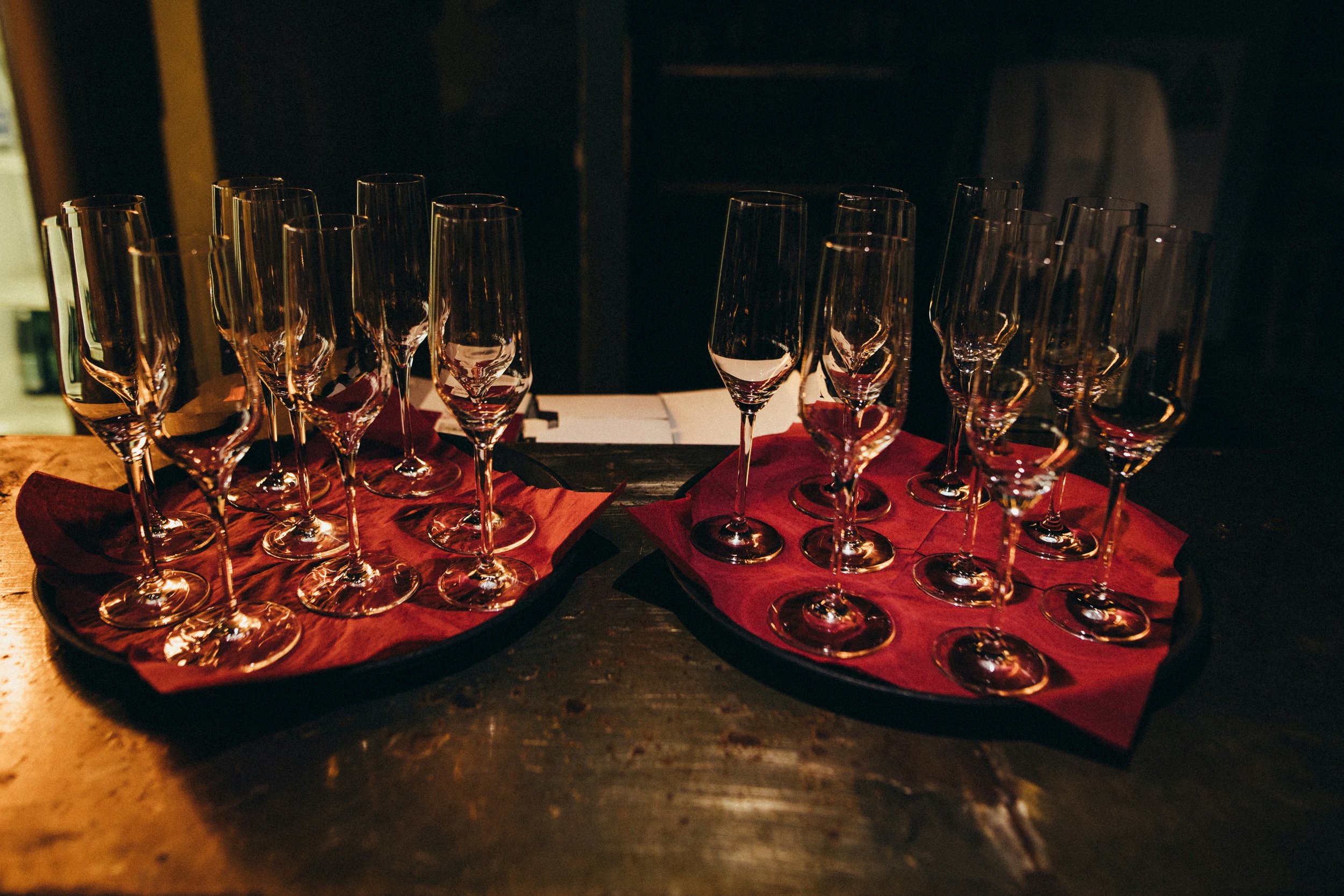
You’ll need glasses, one for each wine for each guest. Yes, that’s a lot of glassware. I’m not a glass fetishist but I can tell tell you that glass is better than plastic (if you do use plastic, make sure it’s clear). Red wine glasses are really too big. A white wine glass is workable but if you Google “wine tasting glasses,” you will get dozens of examples. What they all have in common is that the bowl is a bit smaller than a regular white glass. Stem is better than stemless but if you prefer, use stemless. All of the wines will warm up more quickly in stemless, however, because of the heat transfer from your hand.
Catering companies can provide glasses and some companies that do what I do can as well (I include glasses in my packages). The cost from a caterer varies but the rental is usually between 50 cents and maybe $1 per glass. The glasses are delivered in crates. You just return them dirty to the crate and the caterer picks them up the following day.
Create a Simple Wine Tasting Guide
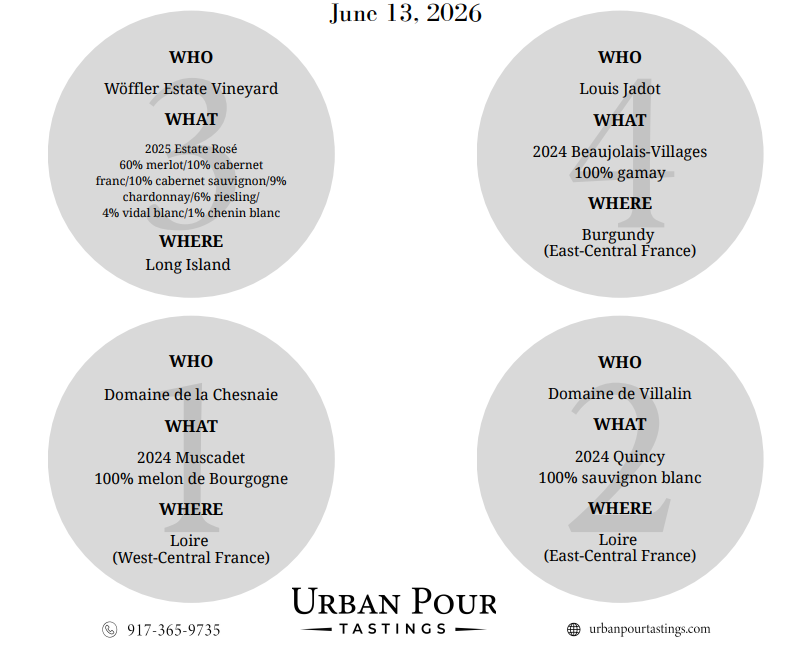
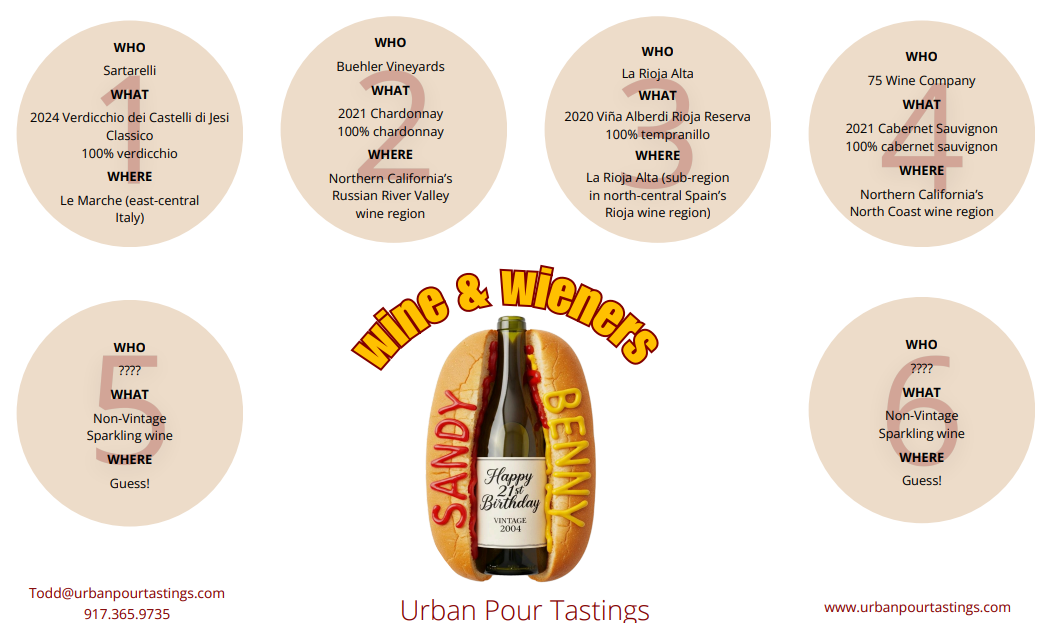
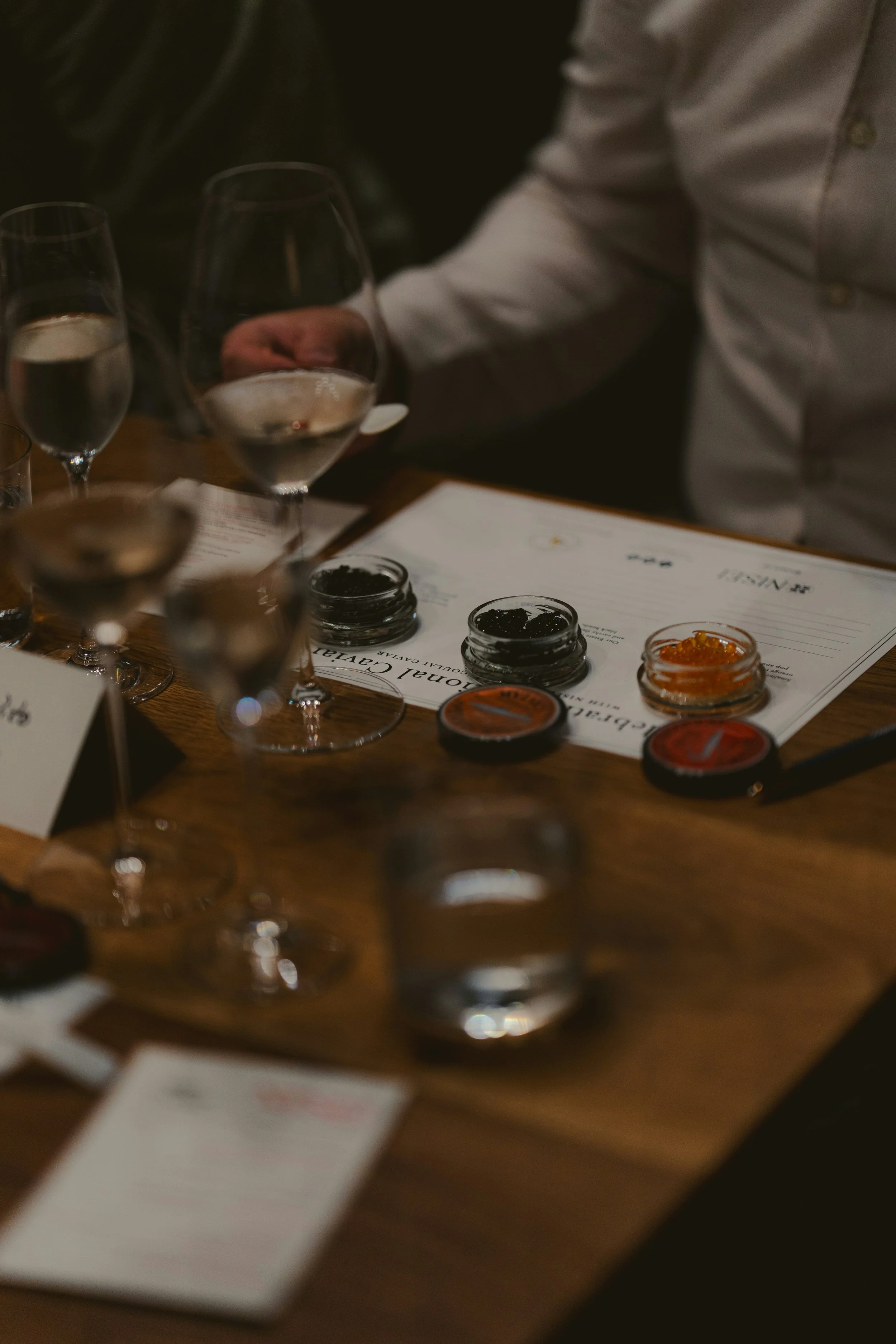
It’s best to provide each taster with a paper mat that numbers each wine and provides some very basic information about each wine to be tasted. Mine always include Who/What/Where. Who makes the wine, what it’s made of and where it’s from. This is helpful for the tasters and most important, prevents the wines from getting all mixed up as the tasting progresses. My wife does the mats for my events. And as you can see by some of the images, they can be fancy and they can be basic. That’s your call. You can go online to find various layouts and many are free and customizable.
Food and Refreshments for Your Guests
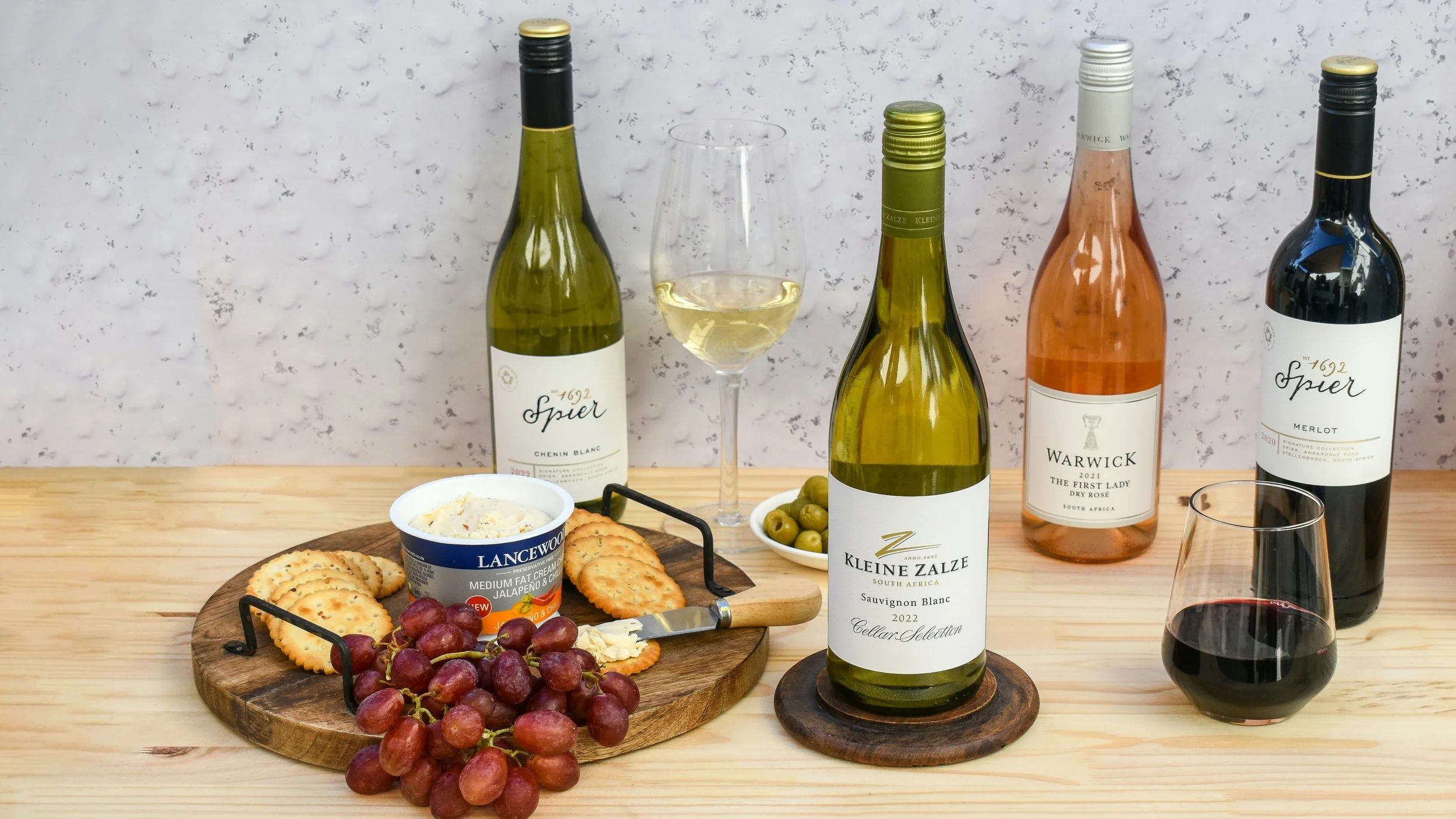
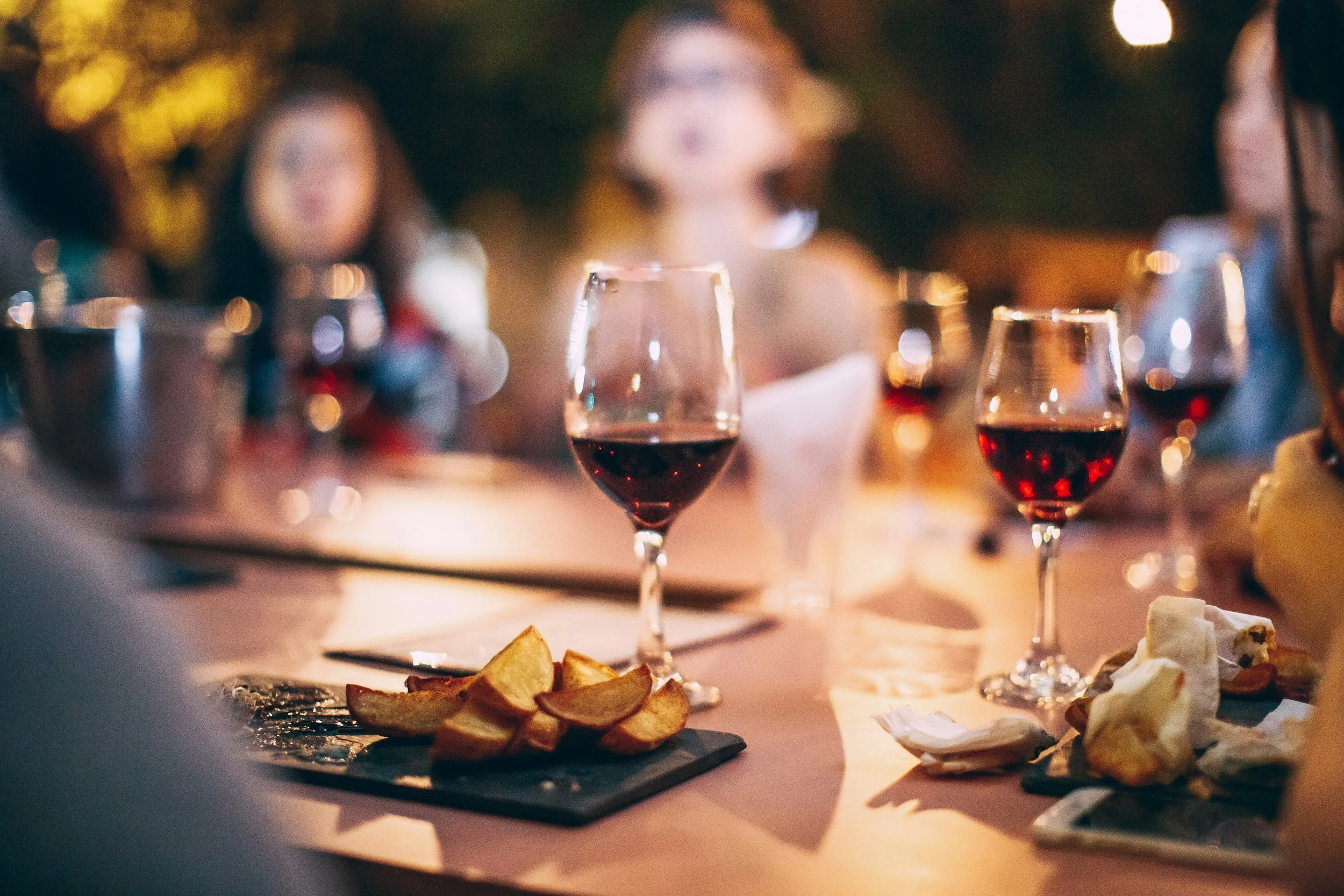
It’s a good idea to provide water for everyone. Bottles are easiest. And there should be some food. It doesn’t have to be fancy and don’t sweat whether it pairs perfectly with the wines. The food’s job is to keep the tasters from drinking on an empty stomach. At most of my events, the host offers very basic charcuterie, maybe some cheese. And having cheese is a good way to show that whites are on the whole a lot more cheese friendly than reds, which seems to be the default choice for many. Finger food works best.
That’s really it. Now onto the tasting that you’re going to lead because you didn’t hire me!
Hosting the Wine Tasting
Prior to opening up bottles, think about your crowd. Do they show up on time? Or do they come fashionably late? This is important because once you pour, you can’t undue that. The whites, assuming they were properly chilled and then transferred to that properly iced and watered tailgate cooler, will certainly hold at temp for 10-15 minutes. The reds, longer. I generally will open a bottle of each wine (more, of course, if there will be more than 10 tasters) 30 minutes or so before the event start. I do this to check on each in the event that any are off. After opening, they go back into the ice bath.
Serving the Wines
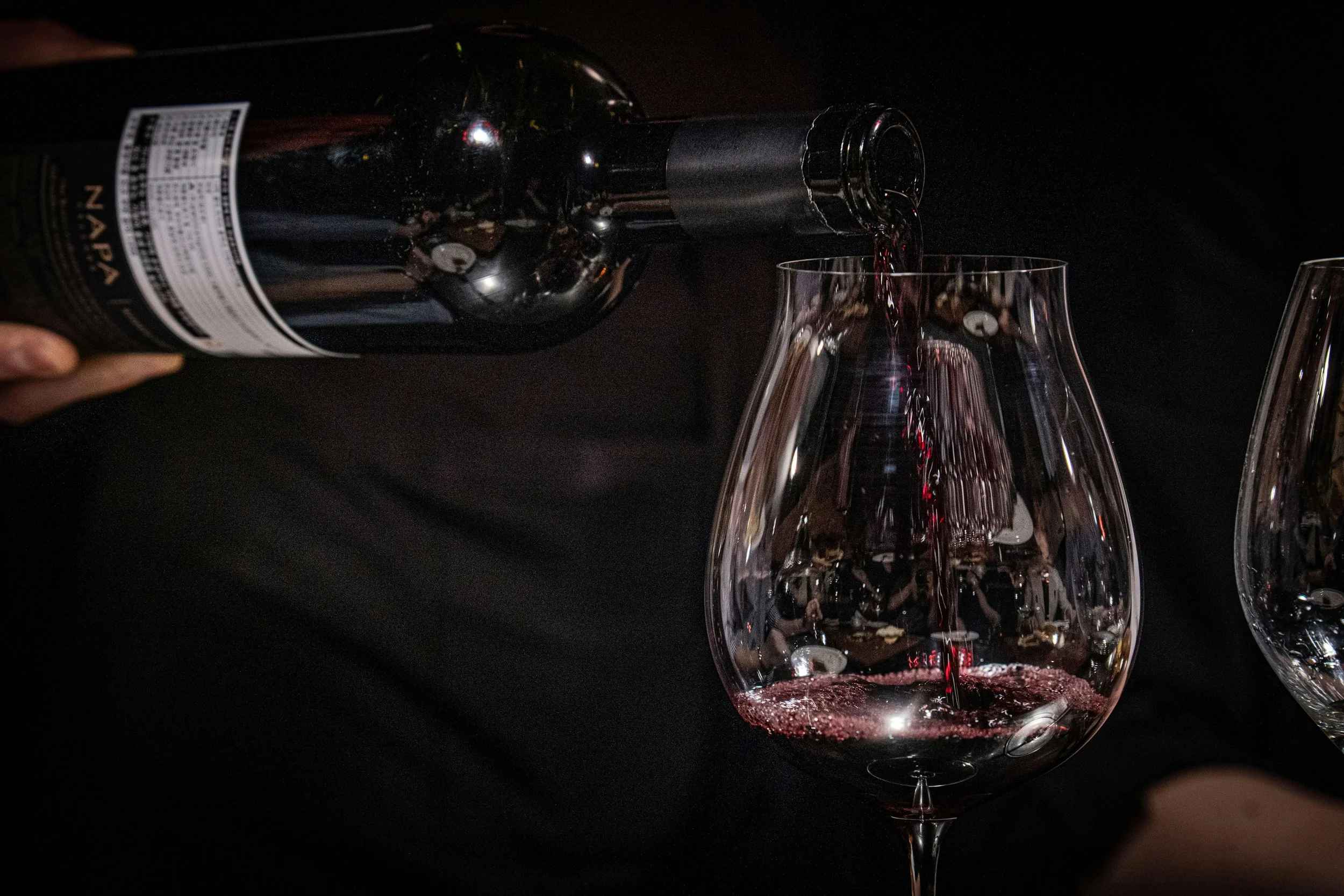
I typically don’t start pouring for smallish groups (10 or less) until the host lets me know all have arrived. I pour while everyone is getting seated. For eight tasters and, say, four wines (32 glasses, plus mine), it takes me only a few minutes. Better, have someone help you or even better, assign one person to pour each wine. Just be sure they know how much to pour.
Leading the Tasting
Once done, it’s time to have fun.
I always start by laying out the theme, and telling everyone to feel free to swirl, sip and taste freely. (By the way, that swirl/sip/taste is the tasting protocol. Swirling releases the aromas, which can then be sipped and tasted. Swirling is essential because without aroma, there really isn’t any taste because your nose imprints your taste buds.) There is no reason to wait for the “presentation” of each wine. My tastings are very interactive and I immediately try to get the attendees to comment, ask questions, etc. While I do certainly go through the wines in order, sometimes it just feels right to jump around or back. This isn’t a graduate-level event so there’s no need to adhere to a strict protocol. And refill glasses as needed. Some tasters taste quicker than others.
Encourage Conversation and Questions
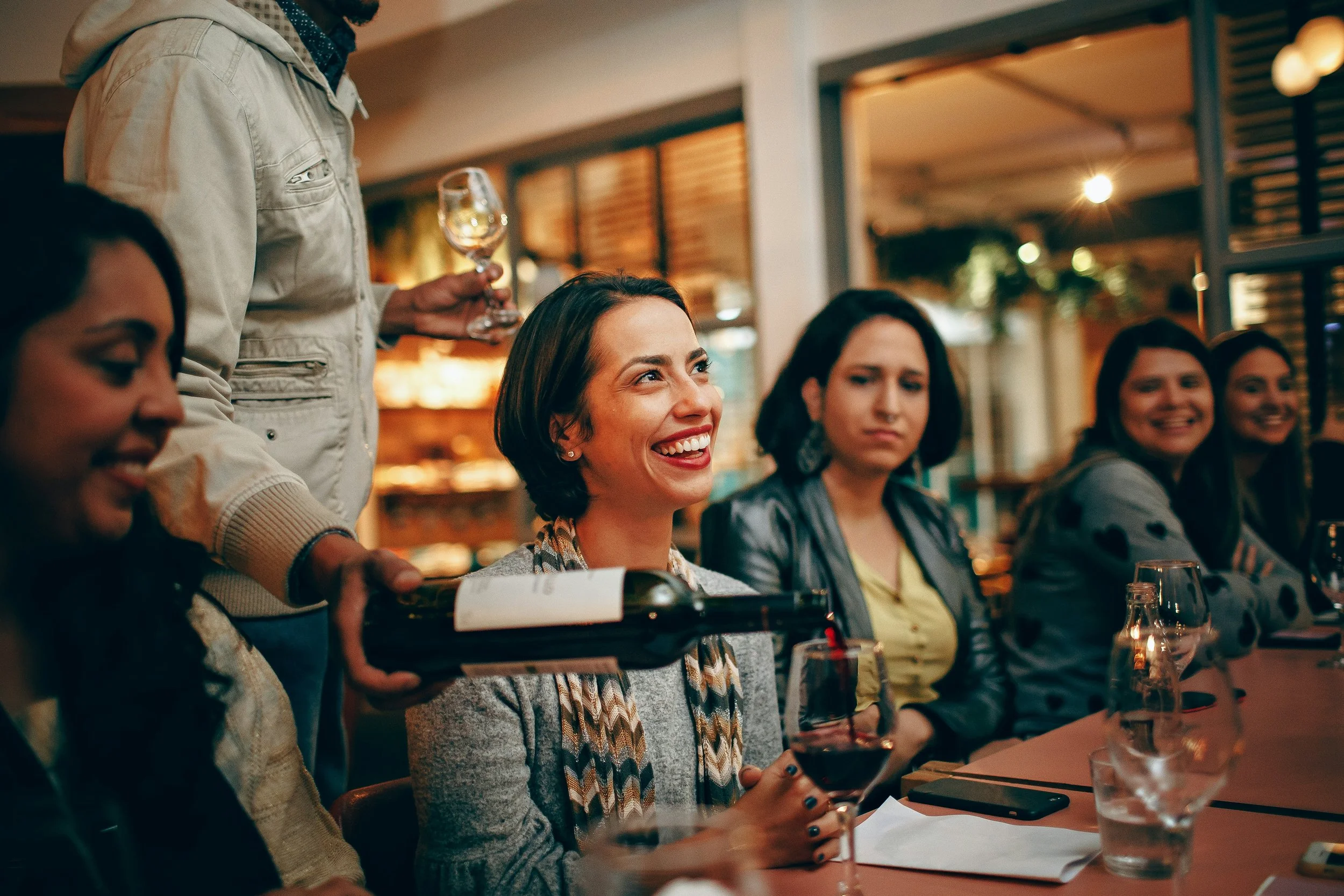
It doesn’t matter if you’re not well versed in wine. To lead the tasting, all you’re really trying to do is what I do: Get your guests to participate. Simply asking who liked or disliked the wine being tasted opens the door. Then the questions and comments then shift to why or why not? What did you like or dislike? Too fruity? Too oaky? To alcoholic? Too light? Whatever. And keep this in mind, you actually learn a lot more by trying wines you end up not liking than those you do like. That’s because we’re creatures of habit. Or simply lazy! When we find a wine we like, we tend to stick with it. That’s too bad because if you really like that Cab, I can promise you that I (or a sommelier or retailer) can suggest a dozen other big reds that have some similar attributes that you might end up liking.
And there you have it, you’ve now increased your wine universe! That’s really the point of these tastings anyway. To try a bunch of wines that may be similar or not at all similar to discover whether they work for you or not.