

Is Bigger Better? No, But Bigger Is Cheaper
Wine, like real estate, is all about location, location, location. Taste, whether it’s in wine or real estate, is truly subjective. That said, it’s not that difficult to find a little consensus when comparing one address to another. The same can be said for comparing one wine to another. The preference for one may not be based on strictly empirical data, but to channel the Supreme Court justice who said many years ago when considering when art crosses into the realm of pornography, I know it when I see it.
And this leads to, maybe a little too indirectly, the point of this blog post: The smaller the source of the grapes in the bottle, the better the wine will be and the more it will cost you to buy it. This is a huge oversimplification but it is nonetheless a very useful one when deciding how much you want to spend. On one level, this is pretty obvious when you take into consideration how anything is manufactured. When economies of scale are applied to just about any made thing, the cost per unit to make it goes down. Wine is no different.
It’s true that a talented, conscientious winemaker can excel in giant and tiny appellations. It’s also true that tiny appellations and tinier vineyards within them or even rows within tinier vineyards more readily express the character of those places. This is the very essence of terroir, but it comes with an elevated price tag. No two vineyards or even rows within vineyards are exactly alike.
For instance, despite being only an hour-and-a-half drive from each other, the vineyards of Chablis and Santenay (both in Burgundy, though Chablis is usually considered more of its own thing) couldn’t be more dissimilar.
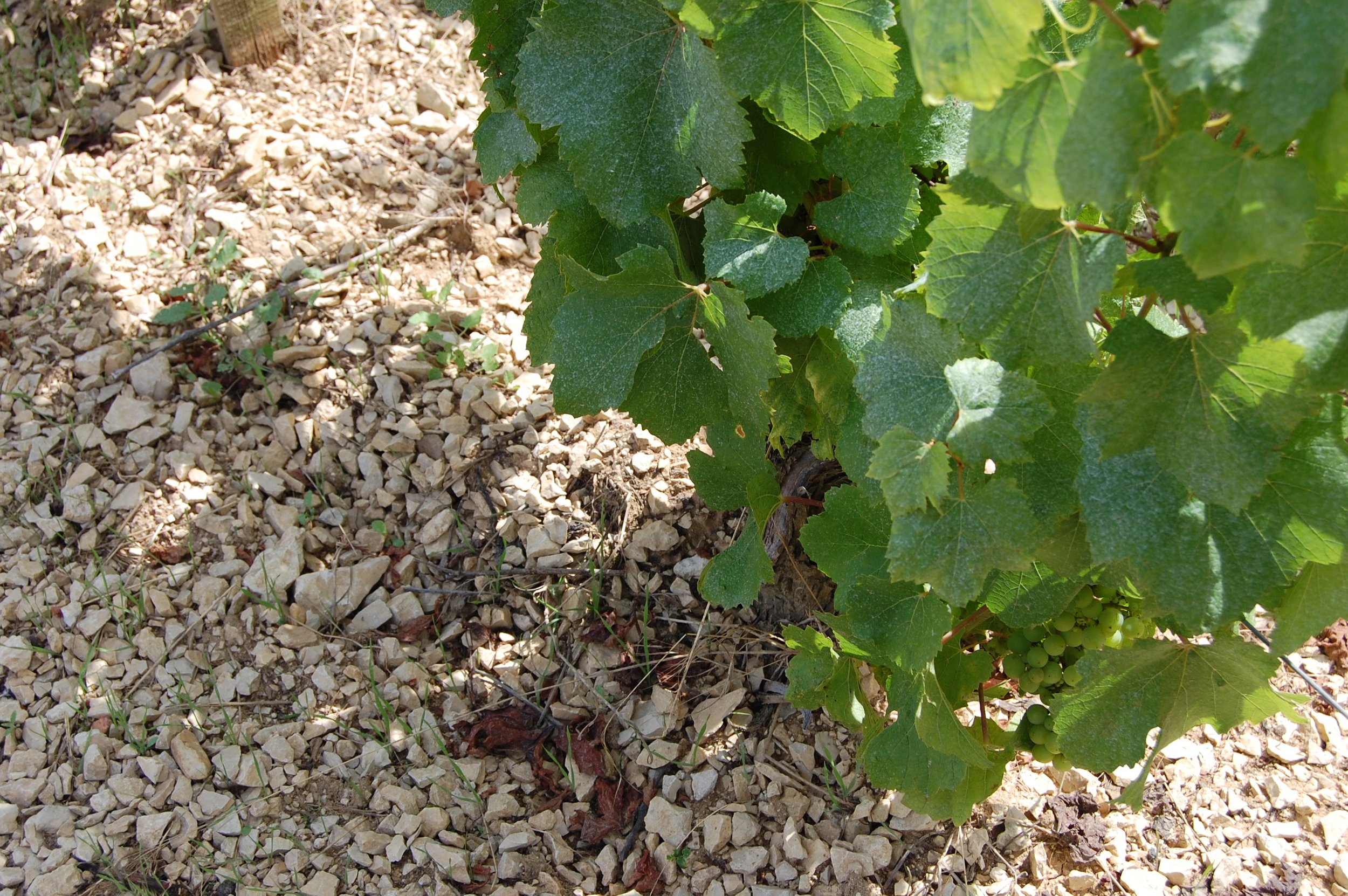
Chablis vineyards are often covered in stones and marine fossils dating back eons when the entire area was under the ocean.
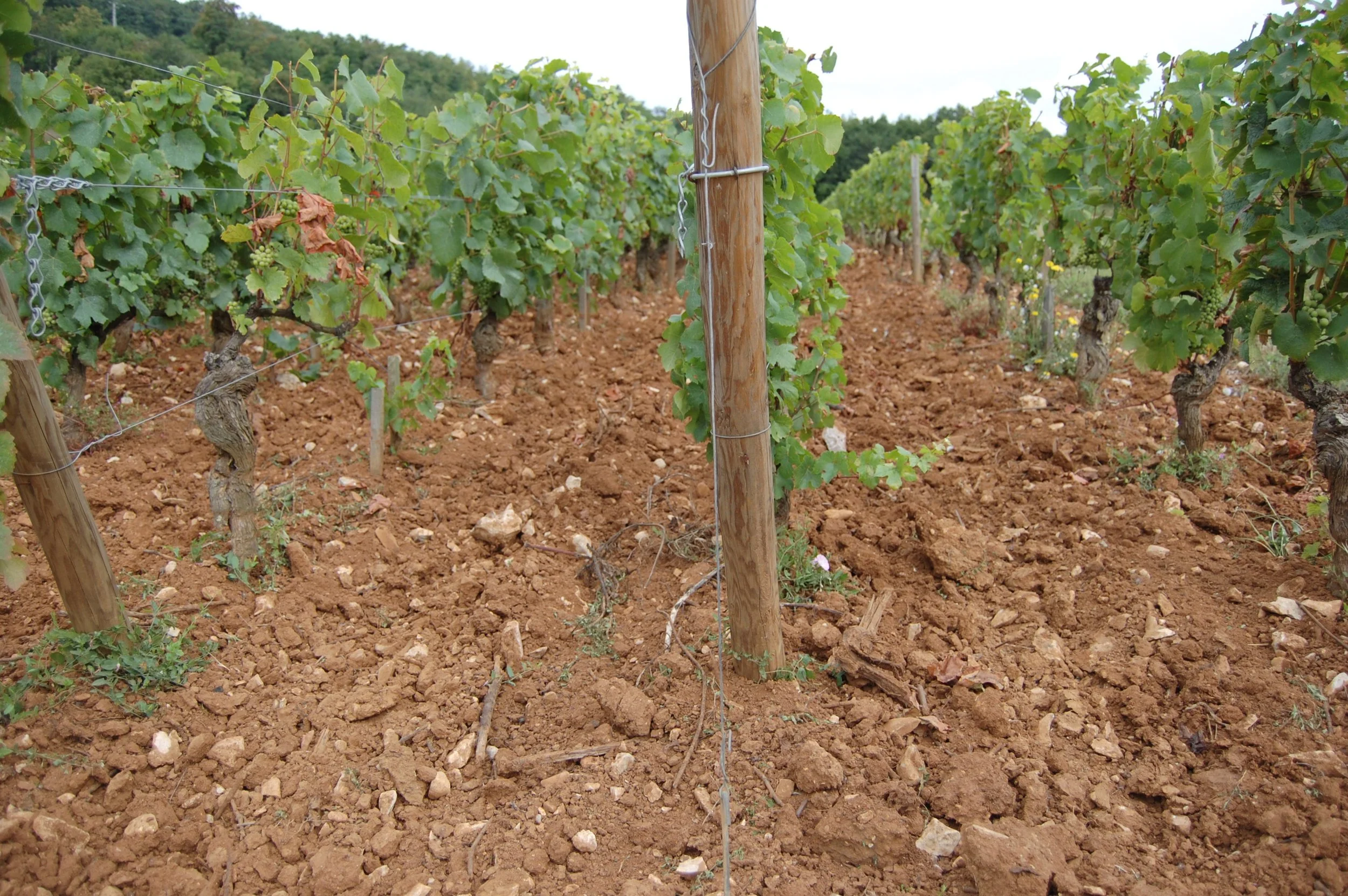
Santenay’s, on the other hand, are far less rocky and composed of darkish soils. What does this have to do with smaller is better but more expensive? Well, if you are a big Chablis fan or perhaps just someone looking for an alternative to oaked Chardonnay, there is a huge range in pricing. Even if you don’t take into account the superstars like Raveneau, Dauvissat and others way up the food chain, the price between a regular Chablis and a Premier or Grand Cru can be hundreds of dollars a bottle.
And the same sort of thing is true in most, if not all, parts of the wine world. Although the wording might be different because all winemaking areas don’t employ the same labeling system that Chablis does. But all labels give you the necessary information and other hints as to the size of the place the grapes in that bottle came from.
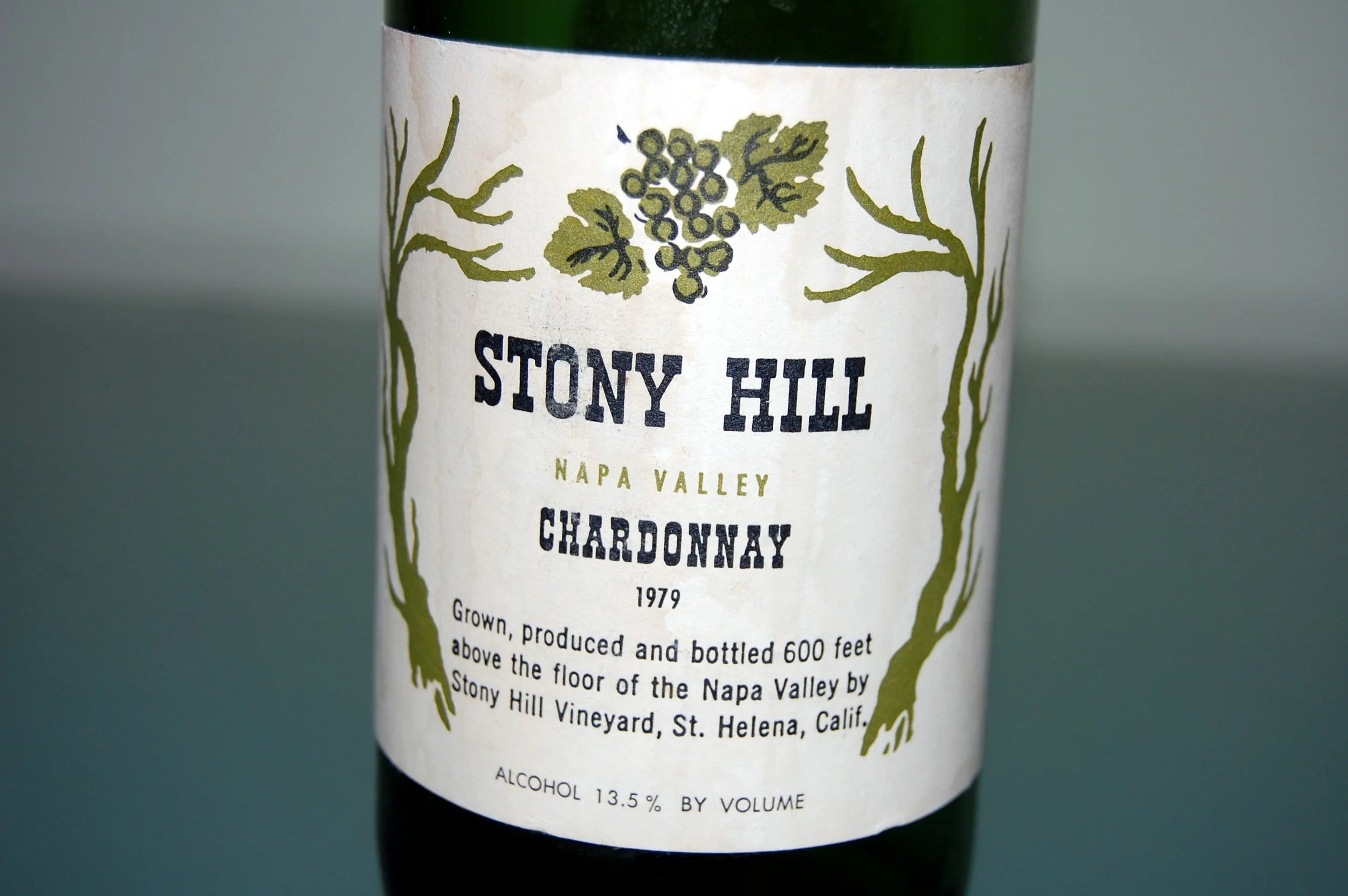
Take this Stony Hill bottle. It’s a Chardonnay from Napa Valley. Because Napa Valley is a designated American Viticulture Area (AVA), at least 85% of the gapes that went into the bottle must be from Napa Valley. (The reality is that any bottle that is not specified as a blend from an official AVA is likely 100% the grape on the label.) Here, the additional wording on the label tells you that the grapes for this wine come from a vineyard 600 feet above sea level. Because I know this producer well, I know that the vineyard is smallish, but even if I didn’t, I would be able to safely read between the lines. This isn’t a big-production wine. And as such, it’s not an inexpensive wine. Stony Hill Chardonnays clock in at about $100/bottle.
If you wanted to drink a Napa Valley Chardonnay but not spend that much, you have tons of options. You’d just need to look for labels that say “Napa Valley” but have no other suggestions of smallish production. If a label sports a single-vineyard designation, for example, it’s pretty safe to assume that the case production isn’t in the thousands or tens of thousands.
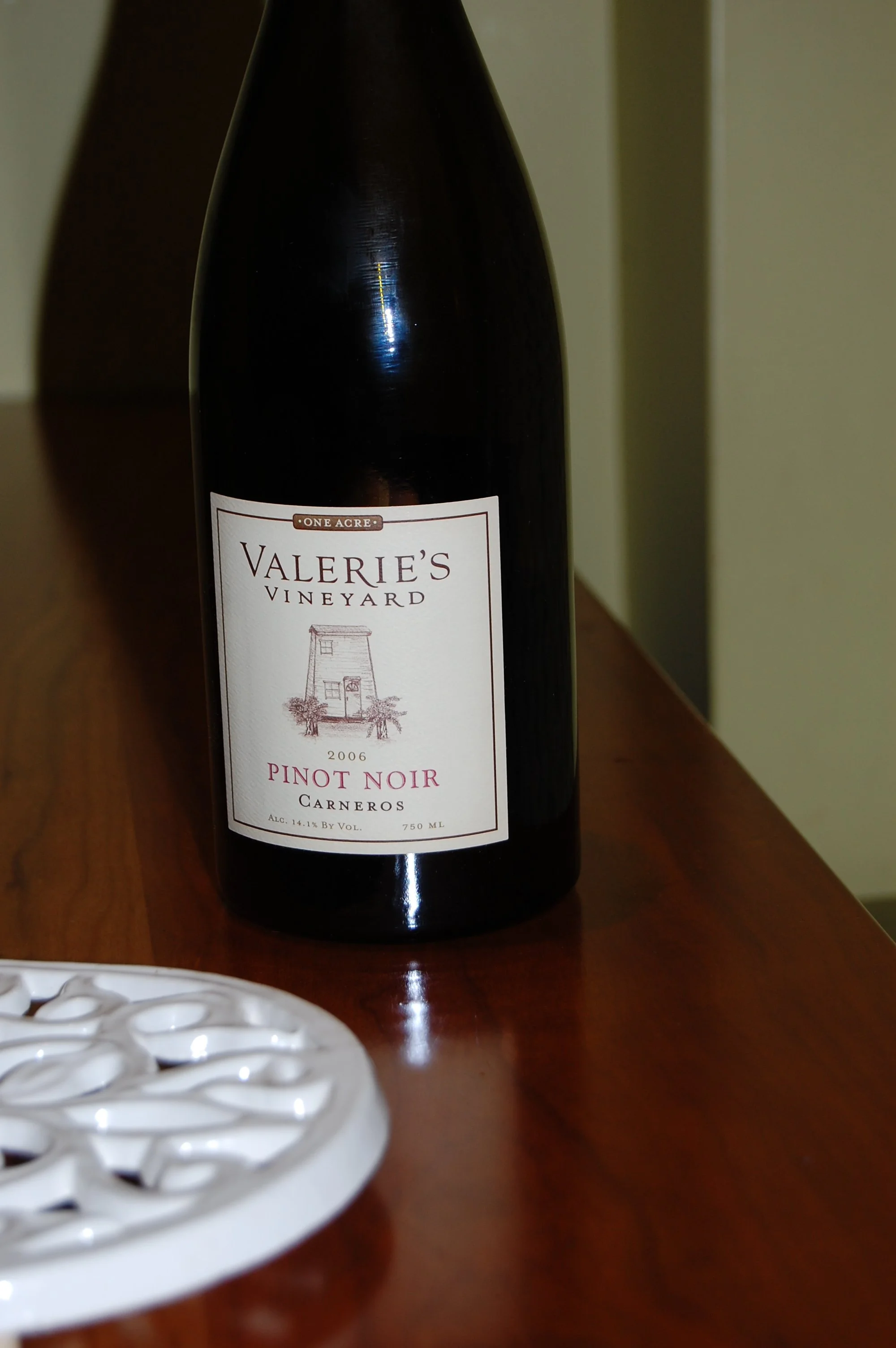
Or, as you can see on the Valerie’s Vineyard Pinot Noir label, the words “One Acre” certainly suggest that the production is tiny. While this particular label addition isn’t regulated, it’s highly unlikely that a producer would put that on a label if it’s not true. In this case, I have first-hand knowledge because I’ve been to this one-acre vineyard. I distributed this lovely wine in New York City when I had my own import/distribution company back in the day.
AVA-designated Pinots in California aren’t cheap with one exception, one that holds true for just about any wine made in the Golden State. Look for the “California” designation on the label. This giant AVA means that the grapes for that wine need only come from somewhere where grapes are permitted to be grown in the entire state. This is economies of scale in action.
If you want your Cali Chard, Cab, Pinot, Zin, whatever fix, but don’t want to spend more than, say, $15-$20/bottle, that’s how you do it.
In Burgundy, look for the generic Chablis or Santenay or Beaune or other “Villages” designation. This means that the grapes in that bottle must come from somewhere in that village, which is a much larger area than a premier or grand cru vineyard within it. To save even more, look for the Bourgogne Blanc or Rouge designations. Again, the chardonnay or pinot grapes can come from anywhere within Burgundy where grapes are permitted to be grown.
The same strategy holds true everywhere. If you’re looking for a taste of a place, stick to the regional labels. Côtes-du-Rhône, Rioja, Chianti, Columbia Valley, etc. The list is endless. While you won’t get the nuance that a bottle from the smaller location within that broader place would deliver, you’ll save a good bit of money.