

Chablis—An Introduction To The Wine World’s Purest Chardonnay
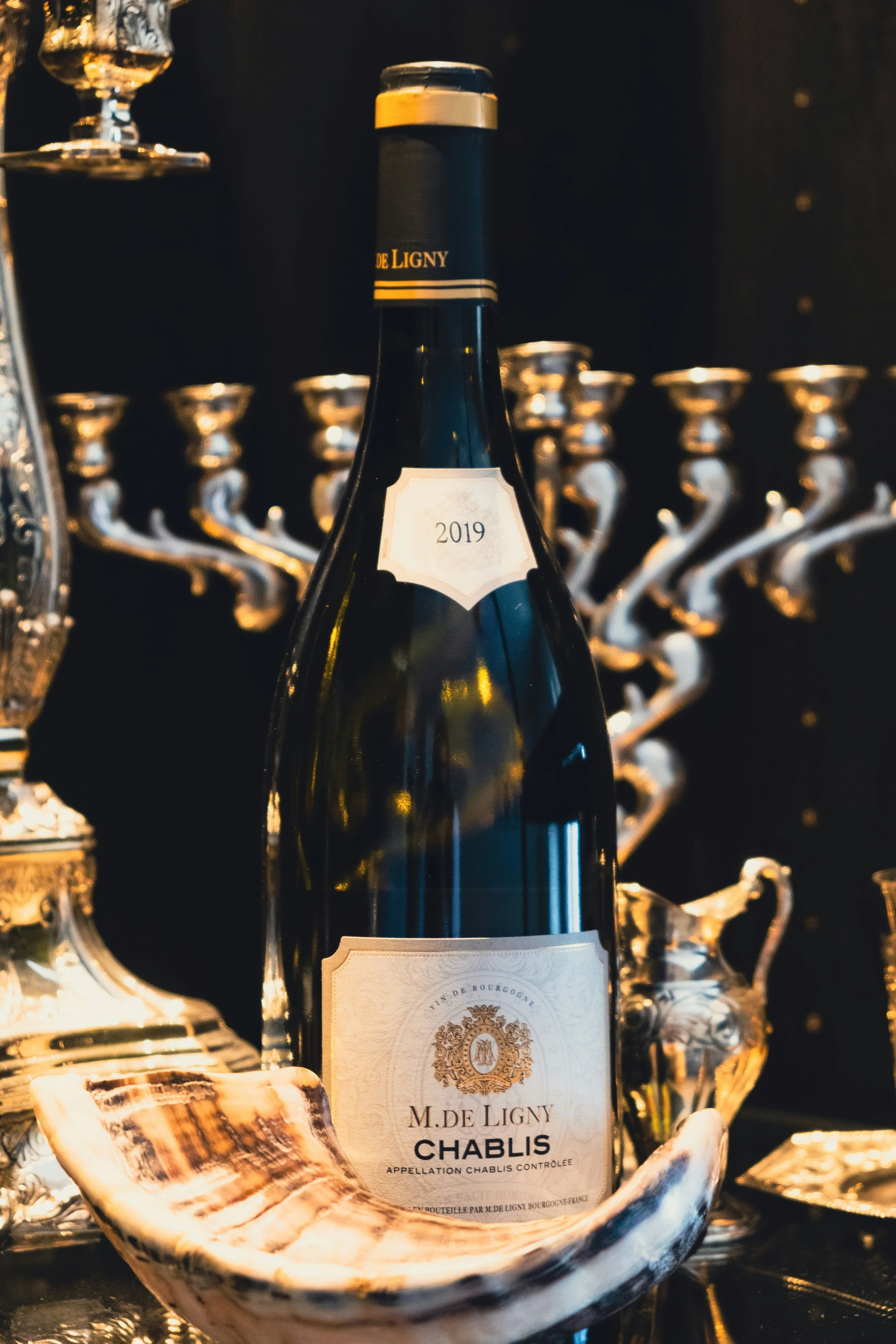
Pity Chablis. Despite its centuries-long, high-profile winemaking history, it has been forced to contend with being thought of as little more than a generic term for some sort of white wine. Even more humiliating, that wine can usually be picked up by its jug handle.
Some might argue that the Chablisiens got what they deserved because the area’s wines had in fact become more generic just when consumers in the United States decided they wanted to try them. What they got in the ‘70s and ‘80s were, for the most part, Chardonnays that were clean and simple to the point of being insipid.
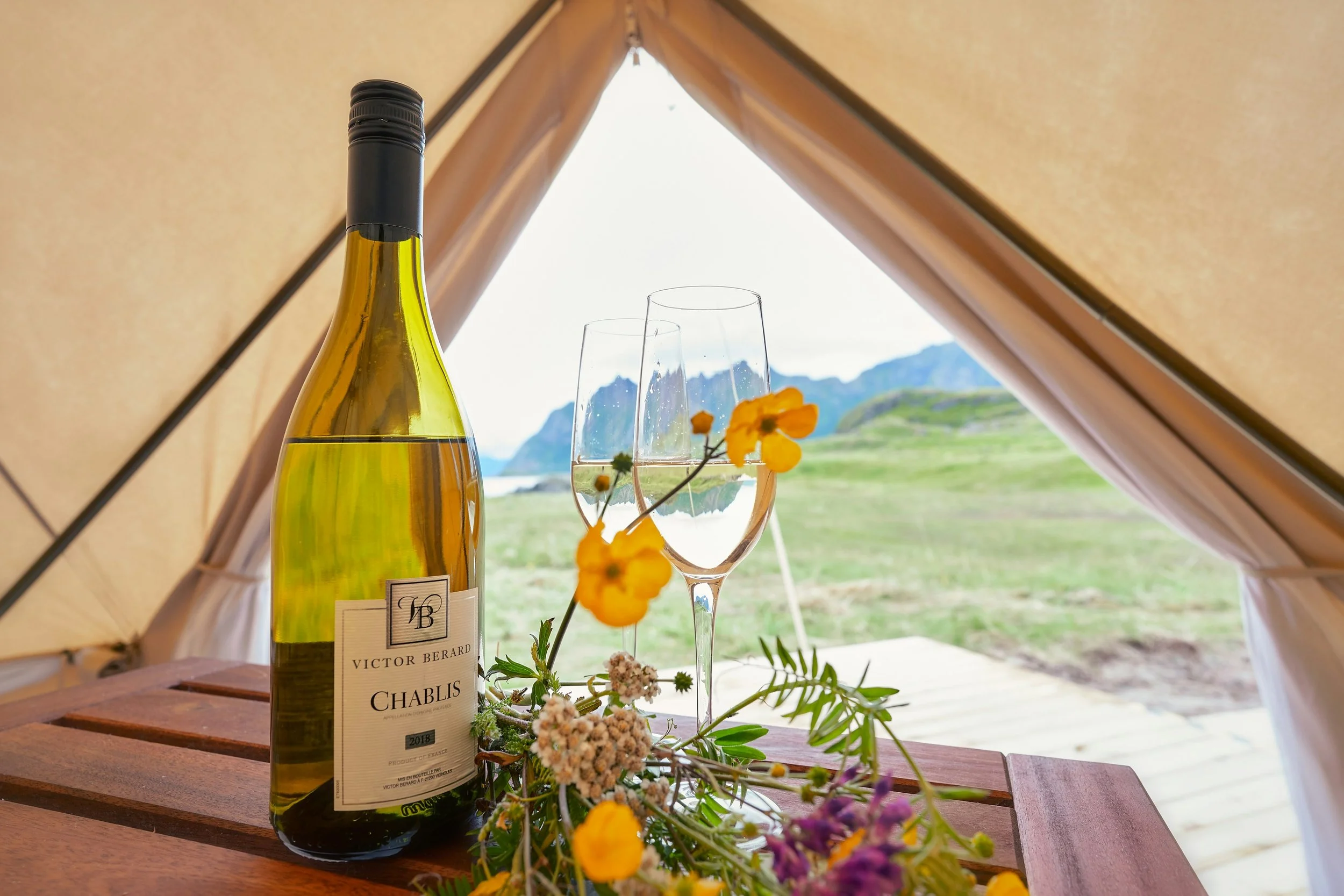
That version of Chablis has largely disappeared in the last 20 years or so as producers (not unlike those in many other parts of the wine world who came to the realization that to make clean, technically sound wine is no longer enough) have re-focused their attention on vineyard and cellar practices. Rather than emphasizing volume, there has been a commendable trend toward decreasing yields to better express what mother nature has bestowed upon them.
Why Chablis Is the Purest Expression of Chardonnay
The happy result is that once again it can fairly be said that the Chardonnay produced in Chablis is the world’s purest expression of that most popular and commercially important white grape.
Purest in the sense that the marginal, at best, grape-growing climate in Chablis limits the winemaker’s options. He or she doesn’t have the luxury of allowing overripe grapes to bubble into 15-percent alcohol monsters; there is no use in cloaking the wine in 100-percent new oak. It won’t have the fortitude to stand up to such treatment. In other words, no trickery in the cellar, just Chardonnay.
What Makes Chablis Different From Other Chardonnay Wines
Chablis resembles no other Chardonnay. You’re not likely to find a bushel of mango, pineapple and passion fruit in a bottle like you would with one from California. And those in search of the spice, bacon fat and crème brûlée flavors of the Côte d’Or’s versions will no doubt be disappointed by the relative austerity of even the richest Chablis. Perhaps the only comparable style is found in Champagne. There is much sense to this because the two places are only a few miles apart. In fact, Chablis is situated much closer to Champagne than to its Burgundian brethren. While Champagne shares Chablis’ horrid weather—Champagne’s is probably worse on the whole—many of its great blanc de blancs have a level of richness that most Chablis makers would envy. The Champenois have the advantage of being able to blend multiple vintages to achieve a degree of roundness when nature hasn’t been kind. Not so in Chablis.
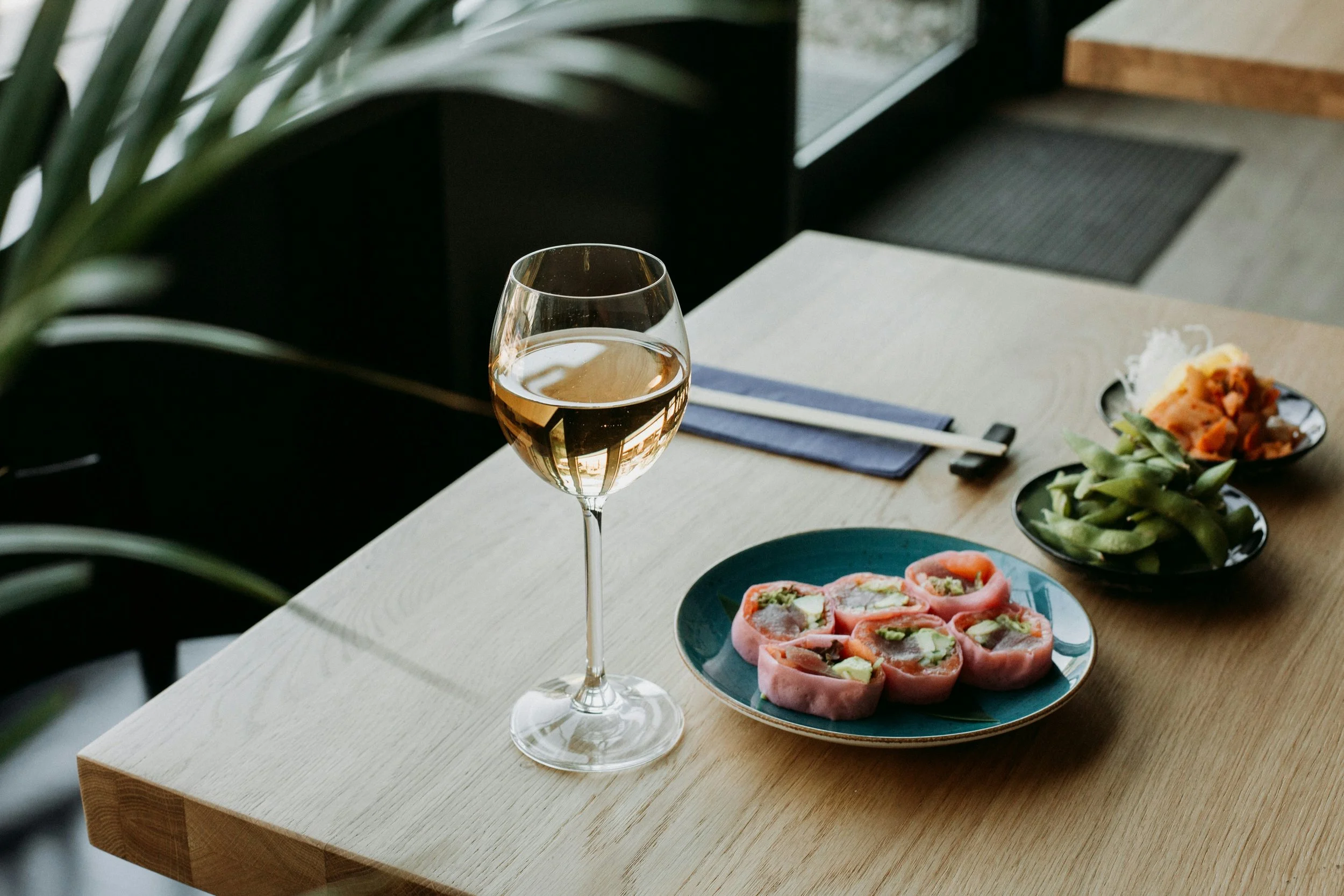
What you’re most likely to find when you uncork a bottle is a nose full of flint, minerals and citrus, a wine that is delicate enough to refrain from taking over the dinner table, yet stout enough to match well with anything from ceviche and sushi to ripe goat cheese.
Understanding Chablis Classifications: AOC, Premier Cru and Grand Cru
The good news is that it’s not especially difficult to find well-made Chablis at each classification level (at the lowest rung is AOC Chablis, then comes premier cru and finally, grand cru) though it’s far easier at the top of the pyramid than the middle or lower end.
Of even more significance for consumers is that dollar for dollar, Chablis Grand Cru is a relative bargain compared to the exploding prices in the Côte d’Or and California. Burgundy prices, for both reds and whites, continue to escalate, and really have been, on and off, since the mid-‘80s.
The the cost of Chablis hasn’t gone north nearly as quickly. A grand cru from Chablis is generally half as much the price of one of comparable quality from the Côte d’Or. In reality, many of the better-known premiers crus from Meursault and Puligny-Montrachet have long passed the $70-$100 range that many of the best grands crus from Chablis fit comfortably within. Of course, there are notable exceptions, but for the most part, Chablis is Burgundy’s truly affordable luxury.
Why Chablis Is Easier to Understand Than the Rest of Burgundy
Simplicity is another reason to like Chablis. Not that the wines are such; rather, unlike the rest of Burgundy, Chablis is compact and easy to understand. There are 32 grands crus and more than 600 premier cru-rated vineyards in the Côte d’Or. Fully one-fourth of France’s officially designated appellations are found in Burgundy.
That’s an awful lot of place names to know, and is the primary barrier to entry for consumers into the beauty of wines that should be far simpler to understand because there are only two grapes employed (I don’t count aligoté because few pay it any mind, although that has started to change in the last 10 years or so). Chablis, on the other hand, mercifully has only one grand cru and one premier cru designation. There are seven climats within the grand cru designation, and 40 premier cru climats. So, there are still a bunch of names of note but far fewer than farther south. And finally, there is only white wine in Chablis.
While there is unanimous agreement that the grands crus are indeed grand, this is where any semblance of consensus ends. Many of the premiers crus are considered to be latecomers and pretenders that share neither the excellent and vital exposure of the grand cru vineyards or the proper soil mixture. Instead, it’s said, they were promoted over generic Chablis for political reasons (something not uncommon in France). AOC Chablis is what it is, but much more is expected of a bottle with the far more prestigious premier cru marker. Vignerons in Chablis work in—or over— a veritable Jurassic-era waterpark of immense complexity.
The Famous Limestone Soils Beneath Chablis Wines
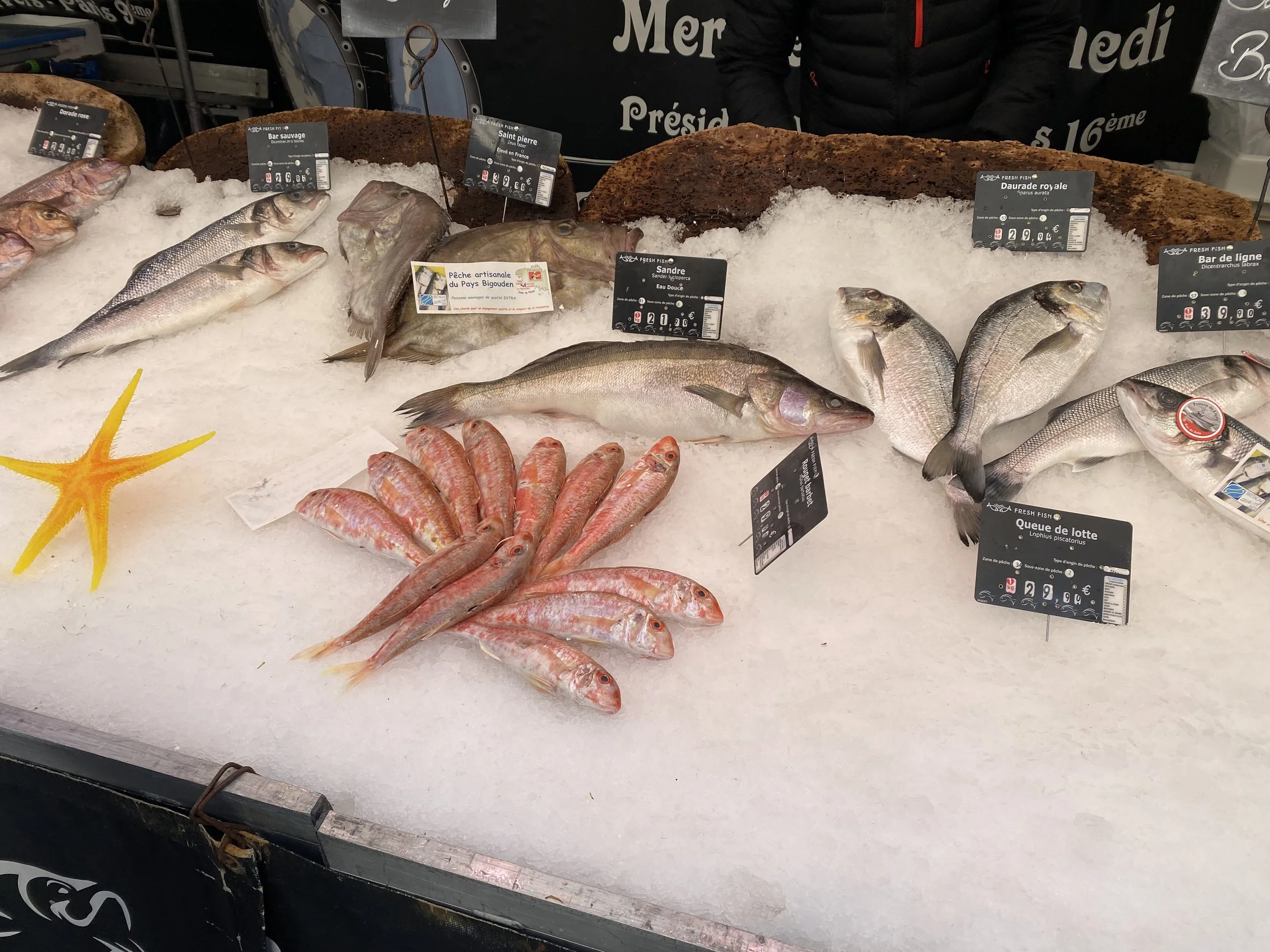
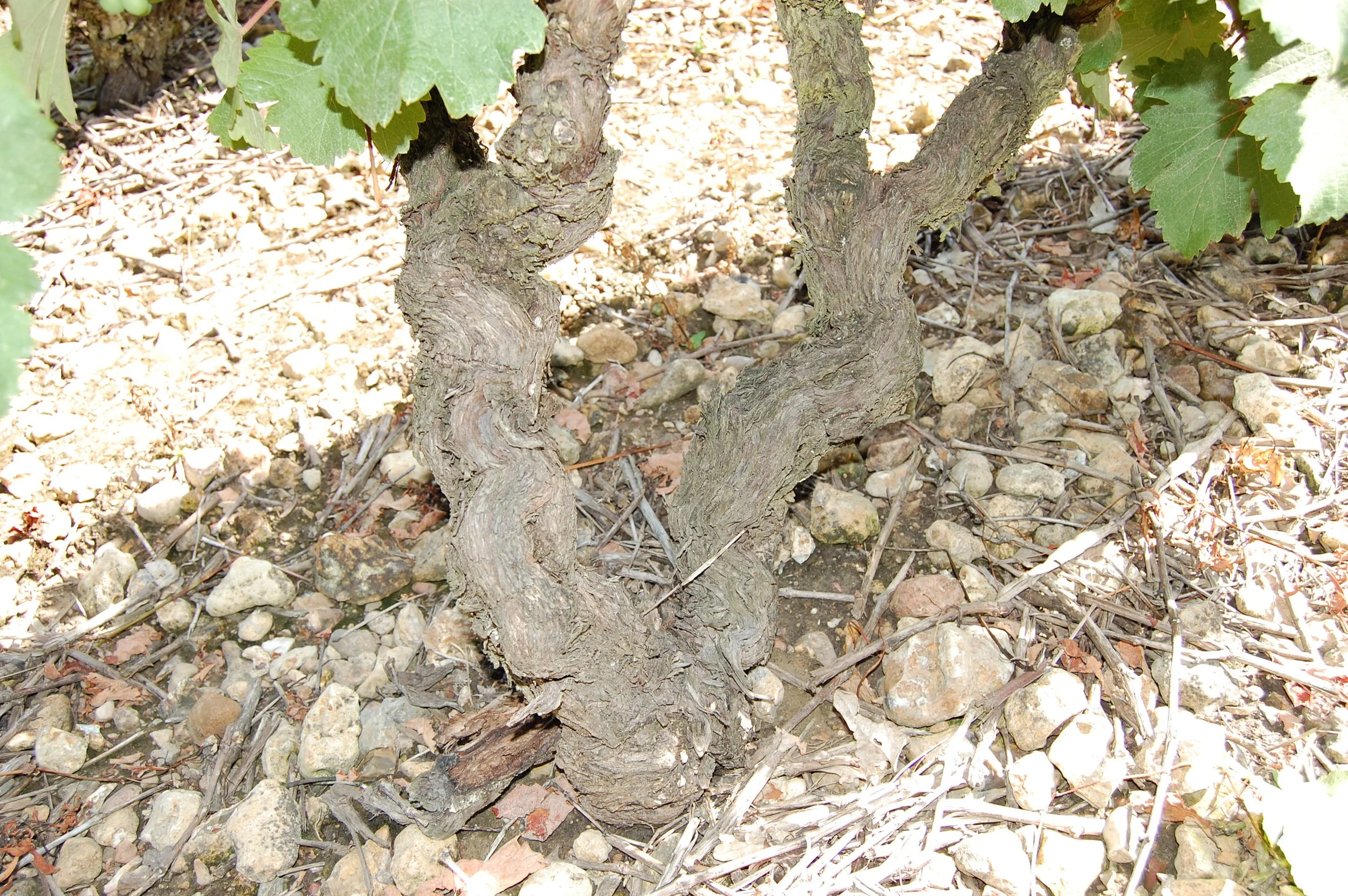
The basis for the crispness that is the hallmark of Chablis is the soil that is the product of a more than 100-million-year-old incubation commencing when the entire area was an ocean floor rather than a gently rising ridge of limestone, fossilized sea creature shells, clay and stone. All of that shellfish detritus makes Chablis a perfect oyster partner.
The seven grand cru climats have the best distribution over these four categories of vine nourishment. This belt of soil, called Kimmeridgean, and named for the southern English village of Kimmeridge at its far northwestern limit, makes its way through Champagne and down to Sancerre in the Loire, explaining the similarity of the dry whites in each place. Though Sancerre doesn't share the complexity of Chablis and Champagne, there is a thread of mineralité and chalkiness that would be recognizable to someone well versed in one but not the others. (There are vignerons in Sancerre and Pouilly-sur-Loire who do conjure exquisite whites, but for the most part, sauvignon blanc makes somewhat simpler, greener wines than does chardonnay at its best.) The Kimmeridgean limestone is visible in the topsoil of the vineyards giving the brown dirt an ashen accent.
The Seven Grand Cru Vineyards of Chablis
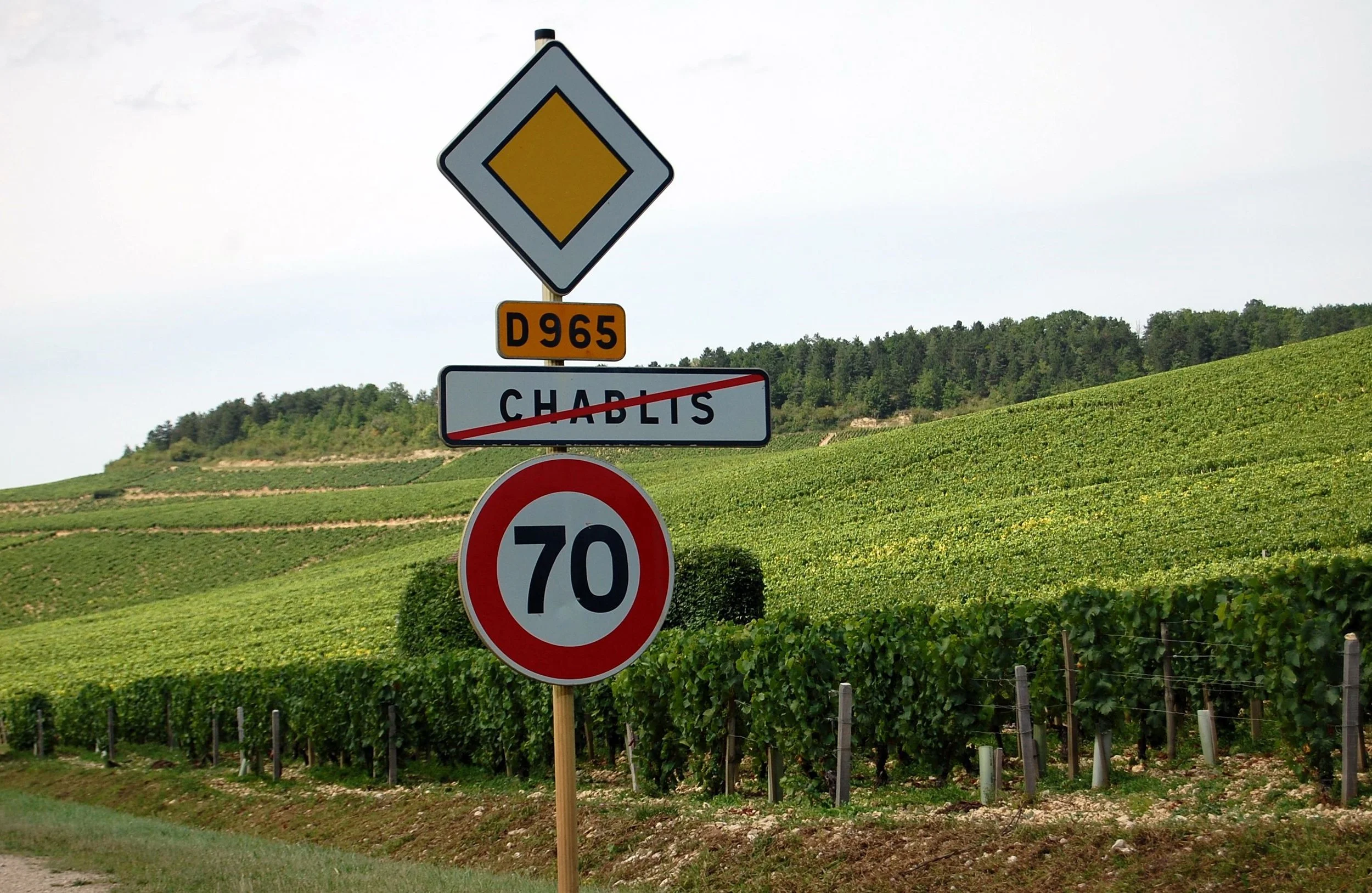
Aspect is everything in Chablis. The grands crus are neatly arranged just across the Serein River from the city itself. From west to east they are: Les Bougros, Les Preuses, Vaudésir, Les Grenouilles, Valmur, Les Clos—probably the best known of the seven— and Blanchot. The collective vineyard of 242 acres stretches just over a mile and vertically no more than a third of that at any point. They each share the same soil though at varying depths. They also share excellent south- and southwest-facing exposure, something that has been the justification for their lofty standing, and a bone of contention, too. There are a number of similarly well-exposed spots in the greater Chablis area, and owners of some of those spots argued that because their vineyards faced the same way as the grands crus, they should at least be accorded premier cru status if they already had an AOC Chablis rank.
This isn’t to suggest that many of the premier cru wines aren’t special. But it is more difficult to vouch for the contents of a bottle bearing the name of one of the premier cru climats if you don’t know the producer. Some of the better-known ones include the boomerang-shaped Fourchaume, located just to the north of Chablis; Montée de Tonnerre, found across the road from Blanchot Grand Cru; Vaillons and Montmains, allayed parallel to each other just to the southwest of Chablis; and Vosgros, the little “island” to the south of the town. The 1,800-plus acres of premier cru vineyards have less in common with each other than do the grands crus except that they are all larger than their more esteemed relatives.
And now is the time to get your Chablis on because even at the grandest of the grand cru-level, the wines are lithe enough to be quaffable in the heat and humidity of summertime.