

Summertime and the Drinking is Easy
Our winter of discontent is thankfully over. Time to transition to lighter and lither wines, be they white or red. And let’s not settle for the path of least resistance. I’ll say it. I hate rosé. OK, hate is maybe too strong. But for me, unless that pink stuff has bubbles, I’m just not interested.
Why? Because rosé for me is neither betwixt nor between. It acts like, well, what it looks like. Some sort of hybrid between a red and a white. Which is, of course, precisely what it is. Rosé is a white with some light red fruit attributes. Or it’s a red that is much less red acting, meaning less tannin, less alcohol, lighter and with more acidity.
That said, I totally get why many like or love it. OK, all of the foregoing is great, I guess, but it just proves my point. Rosé just doesn’t take a side. That’s the last I’ll say on the subject.
I will, however, say that there are many, many whites and reds out there that are perfectly suitable for easy, summertime drinking. Yes, and reds. And the best part is that the whites still present as whites and the reds still mimic reds. So, let’s get to it. This blog post will offer up a few of each for your consideration.
What Makes A Summer White A Summer White?
Yes, you can drink rich, buttery Chardonnays in sweltering August. But should you? To serve it at its best temperature range, wouldn’t it overload your already heat-fatigued palate? And to serve it cold enough to be truly refreshing would not only mute those lovely aromas and flavors but also accentuate that oak treatment.
No, a proper summer quaff needs to be served chillier than maybe you typically serve whites. Your glass needs to come out fogged. It will come up a few degrees every few minutes so don’t worry if you’re not getting much nuance at first. The chilly freshness is good enough for me. And by all means, have a properly outfitted cooler or bucket nearby.
There’s no point in trying to keep a bottle cool if it’s not going to be housed in a suitably prepared container. (For a digression into how to make sure you do a better job than many restaurants do in this regard, check out this recent blog post.
Here, in no particular order, are a few perfect summer thirst quenchers. The good news is that they all generally fall into the $12-$25 range (though as always, you can pay more and sometimes less).
Best White Wines for Summer Drinking
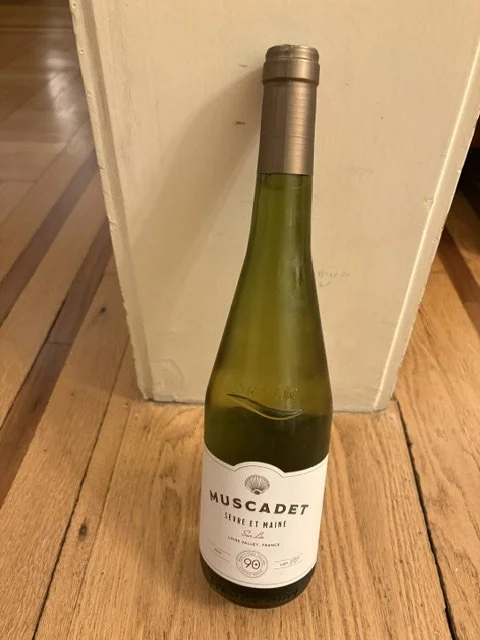
Muscadet, the Loire Valley’s quintessential bivalve wine. Minerally, fresh, citric and a little briny.
Chablis, France’s—if not the world’s—greatest unoaked Chardonnay. Chablis is perhaps the easiest Chardonnay to pick out in a blind tasting because other unoaked versions, regardless of provenance, simply don’t act the same. Chablis often shows an unmistakable almost musty chalkiness, which makes sense given the makeup of its soils millions of years ago when the area was covered by the sea. While you can certainly spend hundreds of dollars on Grand Cru Chablis, you don’t have to in order to get its very unique essence.
Why Italian Pinot Grigio Deserves Another Look
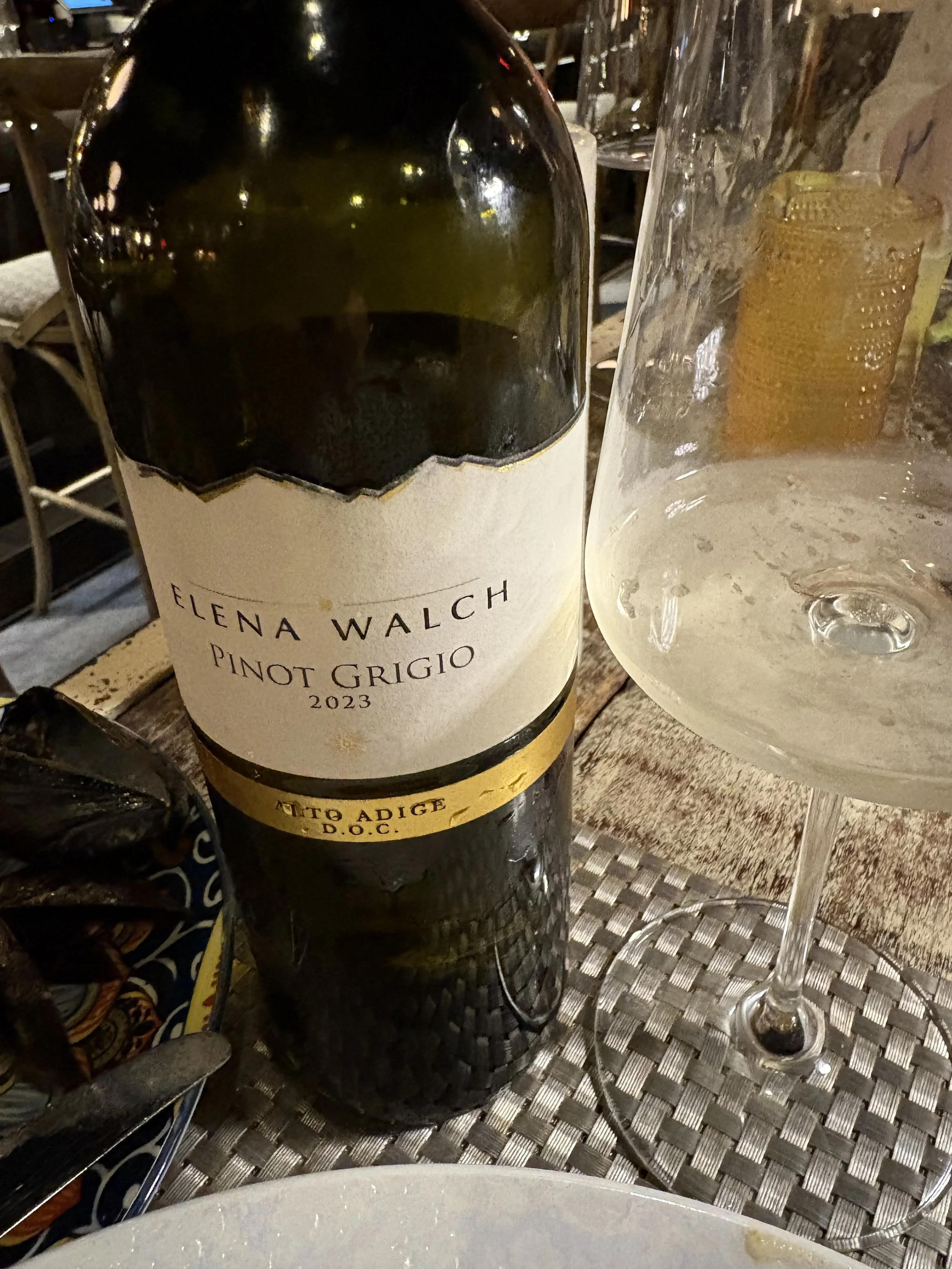
Pinot Grigio. I know, I have taken my share of pot shots at this wine, and have for decades. Deservedly so. I have also extolled the virtues of PG from one part of the world in particular. Italy’s Northeast. Look for bottles that hail from Fruili and the Alto-Adige.
If you can score one within the suggested price range above from Collio or Colli Orientali del Fruili, even better. These areas birth Pinot Grigios that are the antithesis of the lemon water that comes from much larger regions in Italy. Citric, bracing, fresh and balanced, these wines are truly versatile and will go a long way toward changing many a PG hater’s well-entrenched dismissal of wines made with this noble grape.
A Little Chill Goes A Long Way—For Some Reds
Many reds don’t appreciate time in the fridge. Actually, you’ll be the unappreciative one if you lay that Napa Valley Cab or Bordeaux, not to mention that Amarone you got as a gift, in there for more than 10-15 minutes. The truth is that most reds can’t handle chill, which is a bit ironic given that prime big-red drinking season stretches from the fall through the winter.
While we may love our serious (and even lesser) reds when our windows are frosted and we’re cozy and warm inside, these beauties will come across as completely out of balance, too alcoholic and oaky when served in a glass that fogs up upon the pouring of them.
But there are literally dozens and dozens of reds that were practically made to get their chill on. Here are a few. Only one of the three really ought to be served chilled. The other two are lovely when they are but don’t have to be which makes them even more versatile, especially if keeping that chill on is a logistical challenge for you.
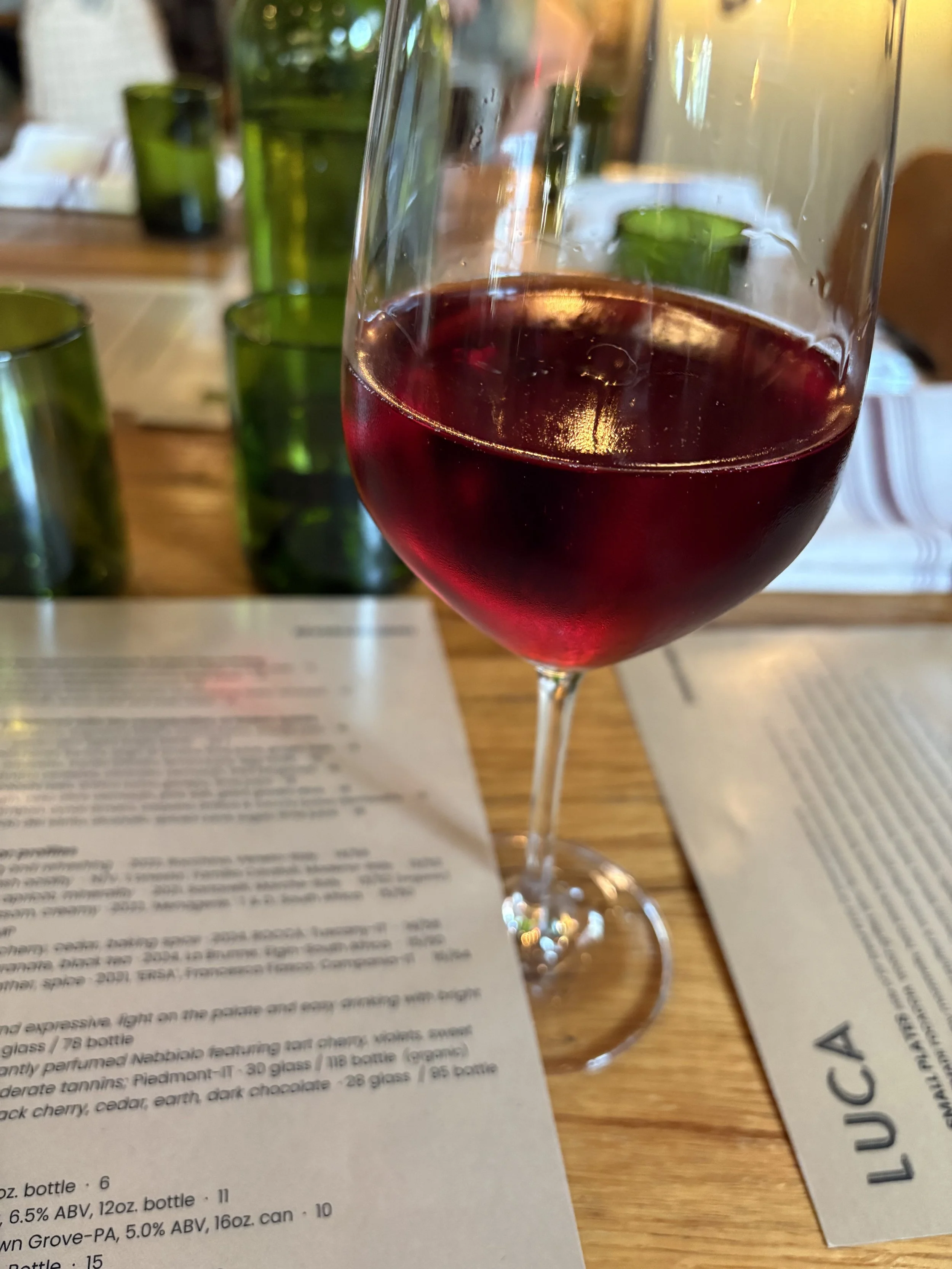
The Best Red Wines to Serve Slightly Chilled
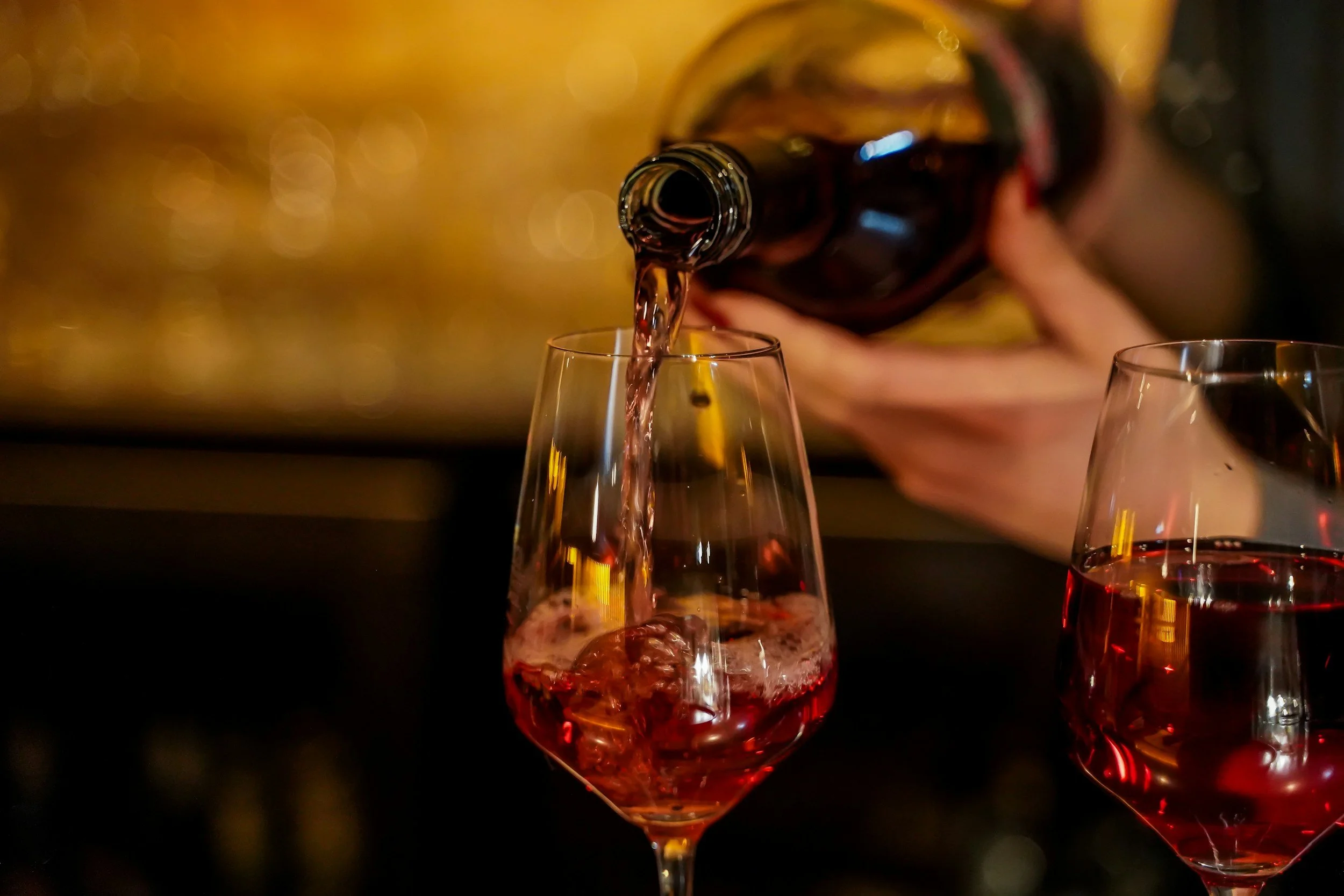
Lambrusco, mainly from Italy’s Emilia-Romagna region, is, I think, the best chill-able red out there. At least that I’ve had. This wine has long had a bad rap because of the tankers of it that came over here “courtesy” of Riunite back in the 1970s. Most are lightly sparkling (frizzante, in Italian) and while Lambrusco can be made with a dizzying number of different grapes, three are the most common that you will come across.
Look for sorbara (often presents like a rosé), grasparossa (darkest) or salamino (maybe the fruitiest of the three) on the label. Lambruscos range in style from bone dry to overtly sweet. I prefer dry (secco) or if your crowd has a bit of a sweet tooth, a bit off dry. I avoid the dolce version as it’s just a bit too much residual sugar for me. Aromatically and flavor-wise, these wines are cherry forward, red or black, fresh or dried. Lambrusco works very well with rich, fatty dishes, including grilled meats, red sauces and the like.
Why Beaujolais Is One of Summer’s Most Underrated Reds
Beaujolais, while technically part of the Burgundy viticole, has really always been seen as its own thing much the way Chablis is even though it, too, is part of Burgundy. It shares a few attributes with Lambrusco (relax, francophiles) though the wines are vastly different in style. Beaujolais, too, has been considered guilty by association with its black-sheep sibling, Beaujolais Nouveau, which reliably arrives to much fanfare the third Thursday each November, literally weeks after harvest.
While this celebratory, simple wine (barely a wine!) has been at this thing since the ‘50s, it wasn’t until Georges Duboeuf put some marketing muscle behind it in, I think, the 1980s, that it took off. While there are examples of “serious” versions, at the end of the day, how interesting can something be that is really not much more than grape juice with a bit of alcohol holding it together?
Anyway, that was a tangent. My point is that the shared trait with Lambrusco is that legit Beaujolais is a pleasure, and while the late Georges (a thoroughly charming man and winemaker) did what he thought needed to be done to convince vignerons in Beaujolais to stop swapping their old vines out with cereal crops, it has taken decades for Beaujolais to reestablish its bonafides. That’s a shame because dollar for dollar, there are few better buys than Cru Beaujolais (the top end of the hierarchy). (A deep dive blog on Beaujolais is in the offing.)
The other shared trait is that because of the way much Beaujolais is made, it can show a certain prickly acidity and mouthfeel. Yes, those are tiny bubbles but not full on sparkling level or even frizzante. Look for bottles labeled “Beaujolais-Villages” as they are a nice step up in class from regular Beaujolais and less expensive than Cru Beaujolais.
Gamay, an underrated grape if ever there was one, produces aromas and flavors that range from black to red fruit of all kinds, freshness and often lovely earthy notes. These wines don’t have to be served chilled but they certainly show favorably when they are given that treatment. And like any red that can stand the chill, they aren’t particularly tannic.
Dolcetto: A Fresh, Food-Friendly Italian Red
The third, and most dissimilar to the other two, is Piedmont’s Dolcetto. It’s name, the diminutive for sweet, belies that it actually acts the driest of the three wines. I want to say it has more tannic structure as well, but I can’t say whether that’s analytically true or not. This is definitely the one that presents best when it is served in that regular dry-red temperature range.
But, with a little chill (definitely less than you would for Beaujolais and Lambrusco), it’s just as charming, maybe even a bit more grown up in style. It is zingingly fresh despite not being super acidic with lots of cherry notes and that more obvious structure. Look for those with the appendage d’Alba or d’Asti, if the pricing works for you.
So, let’s get our non-pink chill on!