

Sauvignon Blanc Explained: A Guide to Styles, Regions and Flavors
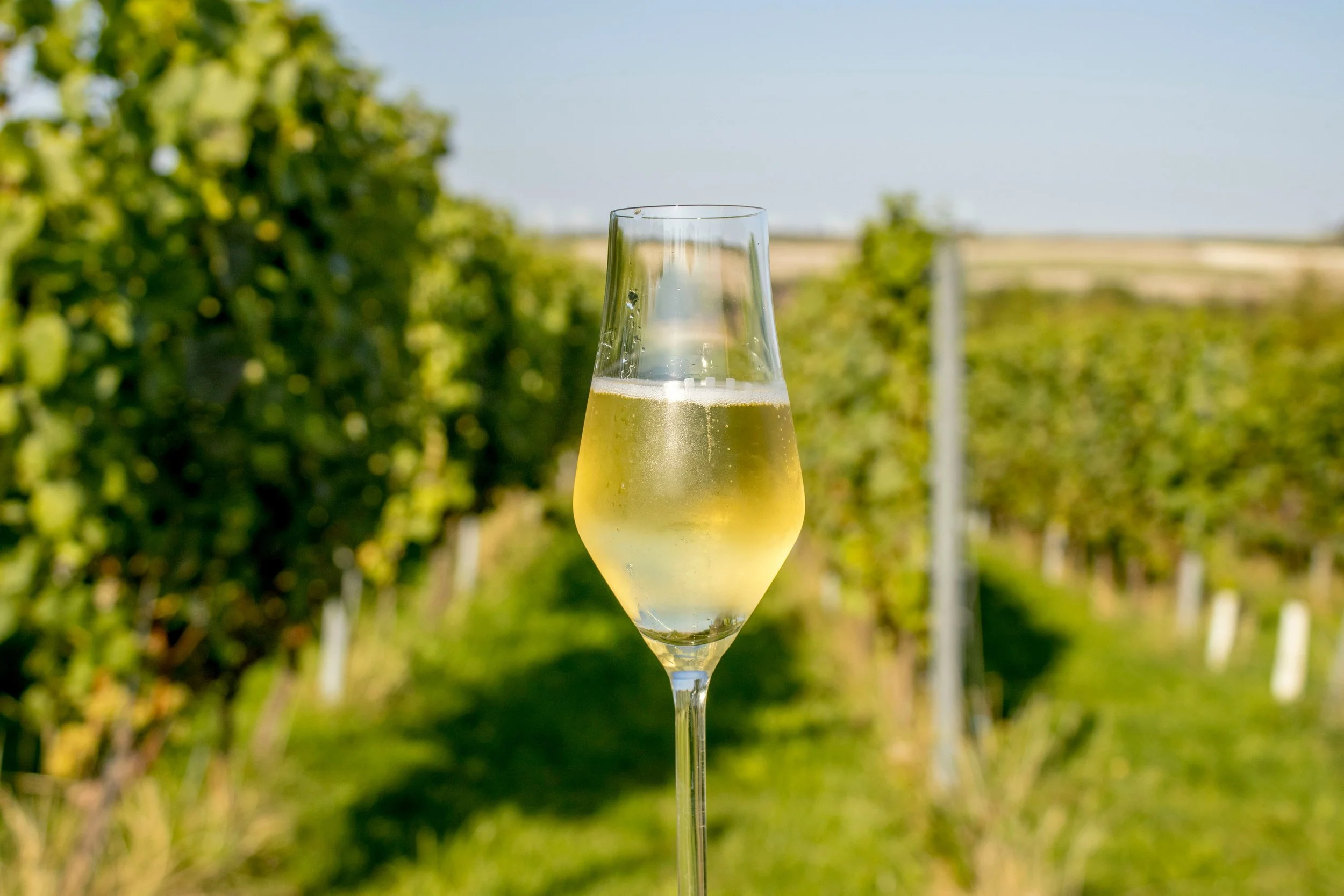
What follows is the Sauvignon Blanc entry from the cookbook I co-authored with my good friend and the amazing chef/restaurateur, Jan Jorgensen. “A Cook’s Table” is organized around the most commercially significant grapes/wines, i.e., sauvignon blanc, chardonnay, pinot noir, cabernet, etc. There is an introductory essay that does a dive into the prevailing styles of the resultant wines, usually in the Old World/New World dichotomy. Jan’s recipes are keyed to one style or the other, though we’re not so doctrinaire that you can’t cross over or ignore entirely.
Our food/wine pairing philosophy is, first, relax, because there are very few horrible matches and very few perfect ones, but there is a universe of good to better than good ones in between. Our recommendations, while we believe in them, are merely guides.
Here is the Sauvignon Blanc entry. I hope you find it useful.
The recipes that follow touch on all of the styles of Sauvignon Blanc. That said, Sauvignon Blanc—unlike, for example, Chardonnay—doesn’t really have that many distinct styles outside of whether it is oaked (as in Bordeaux and sometimes in the New World) or not. This isn’t to say that Sauvignon Blanc is a one-trick pony, but the truth is that other than it showing a bit more roundness because of oak treatment or somewhat warmer growing climes or it is what it most typically is—fresh and pungent, nearly to the point of shrillness—it really doesn’t veer much off the same path, regardless of where that path ends up. So, food matches usually come down to whether the accompanying dish needs more or less weight in its dining companion or, perhaps more interestingly, when its either citric-centric or grassy-greenish self is somehow reflected in the dish.
So, yes, there is still an Old/New World divide but even within that “classification” what more defines Sauvignon—as it’s often simply referred to, particularly in the Old World—is whether it is greenish or citrusy. Versions of each expression exist essentially wherever there is a great deal of it under vine, regardless of which side of the pond those vines are found.
The "Cat Pee" Debate
But before we delve in a bit, let’s dispense with the “cat pee” thing. For those of you who are not even aware of this thing, you’re fortunate. For those who are, how many times have you shuddered when out came a bottle of Sancerre (not to pick on the Sancerrois; the wines from that far-eastern segment of the Loire Valley have long been considered Sauvignon’s reference point)? Your Pavlovian aversion formed by hearing over and over that the cat pee aromas were supposed to be proof that a bottle was legit.
I don’t claim to be a chemist, but I do know that the fermentation process causes the release of all sorts of volatile aromatic compounds regardless of which grape/grapes are in the pot, so to speak. It’s said that sauvignon blanc is simply wired in such a way that growing conditions, and particularly fermentation temperature, can cause this distinct aromatic profile. Again, I’m not a scientist, but I personally believe that the cat pee thing simply became a thing when New Zealand’s zesty versions loudly announced themselves on the world wine stage in the 1980s (remember Cloudy Bay before it hit the $30+ price point?). We just couldn’t quite figure out what we were smelling. Gooseberry? What on earth is that? Then some wine influencer came up with cat pee and it stuck. And then it managed to get into bottles in France and elsewhere. Not literally, of course, but our perceptions are intrinsically linked to what we have been told to expect, especially when we have no default set of expectations in place.
The last thing I’ll say about the cat pee thing is that I have never experienced it even close to the degree that I apparently should have. I have been to numerous tastings where it was said to be sprayed around everywhere but I only managed a few whiffs here and there. To me, it’s a winemaking flaw or a vocabulary shortfall, not a true indicator of what a finished bottle of Sauvignon should smell like.
Oaked vs. Unoaked Sauvignon Blanc
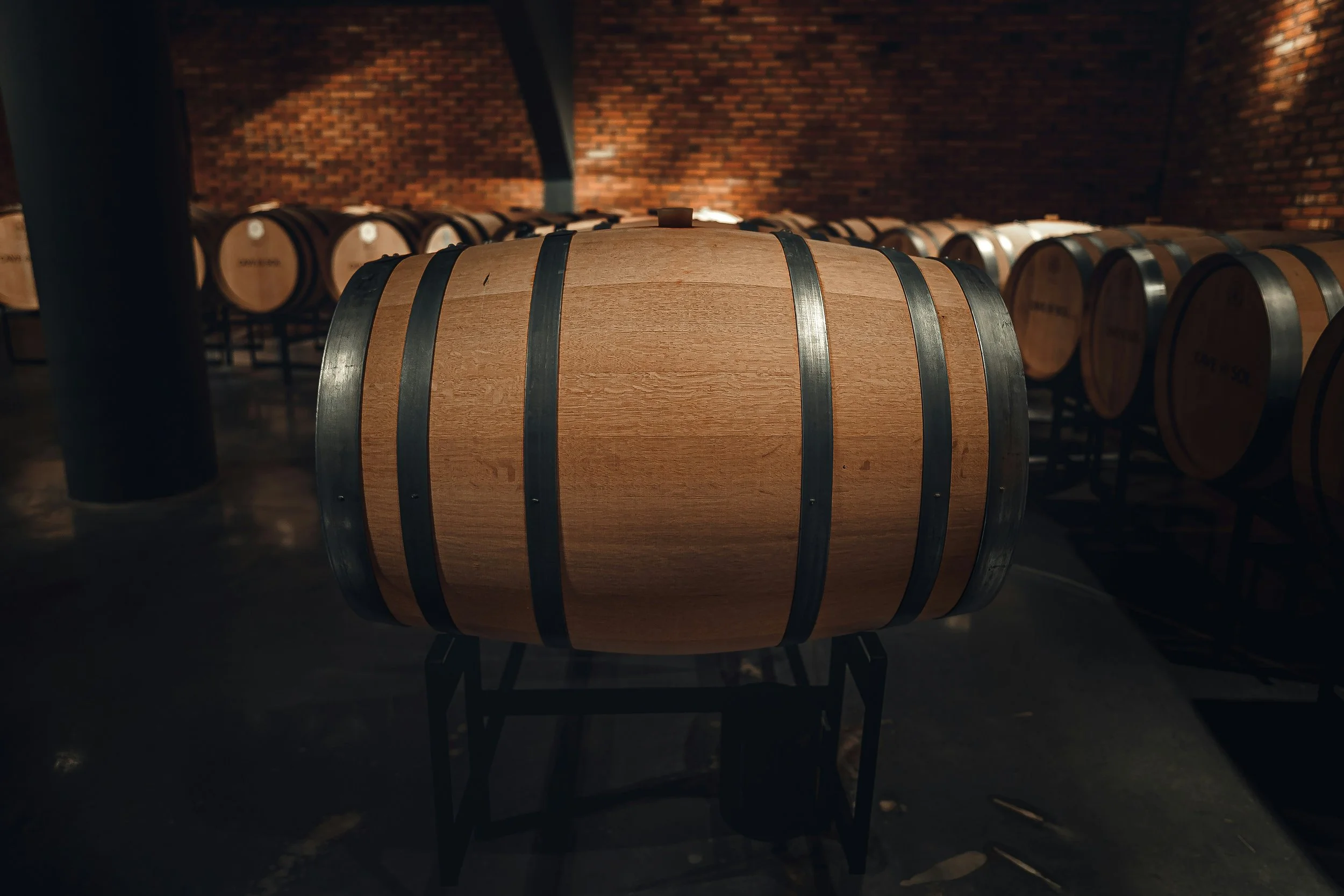
Now, back to the true markers of SBs. Before the very base digression above, we started where we often start with white grapes in particular: oaked or not. In Bordeaux, sauvignon will more often be oaked than not and will not be found alone. Sémillon and muscadelle are two others it shares bottle space with, and often, sémillon is the one driving the blend. As such, I don’t really think of white Bordeaux—as good as it can be—as a full-blown variation on the Sauvignon Blanc theme, or at least not in the way that Chardonnay, for example, has two such well-established styles. In the New World, and California in particular, there are many oaked Sauvignons available and many of those are 100% Sauvignons as well. They are interesting, of course, often showing riper stone fruit and less citrus than their unoaked cousins from anywhere. But for me, oak simply tempers that which is Sauvignon’s reason for being: exuberance to the point of a glass of it exclaiming, “Look at me! Pay attention to me!” If you really want whatever it is a judicious dose of oak can provide, you’d be better served with a glass of Chardonnay. (There is one exception that will be discussed below.)
Sauvignon Blanc bottles really skew two ways: They are either lemony fresh or grassy and verdant. There will often be chalky, minerally components as well. The green style often veers toward bell pepper which some love and some don’t. There will always be zesty acidity and unobtrusive weight and texture. Sauvignon certainly likes to be in the company of seafood, particularly shellfish, but you’ll need to tamp down your saucing ambitions because the more that is happening on the plate, the more likely your wine will be pushed deep into the background.
Loire Valley: Sancerre and Pouilly-Fumé
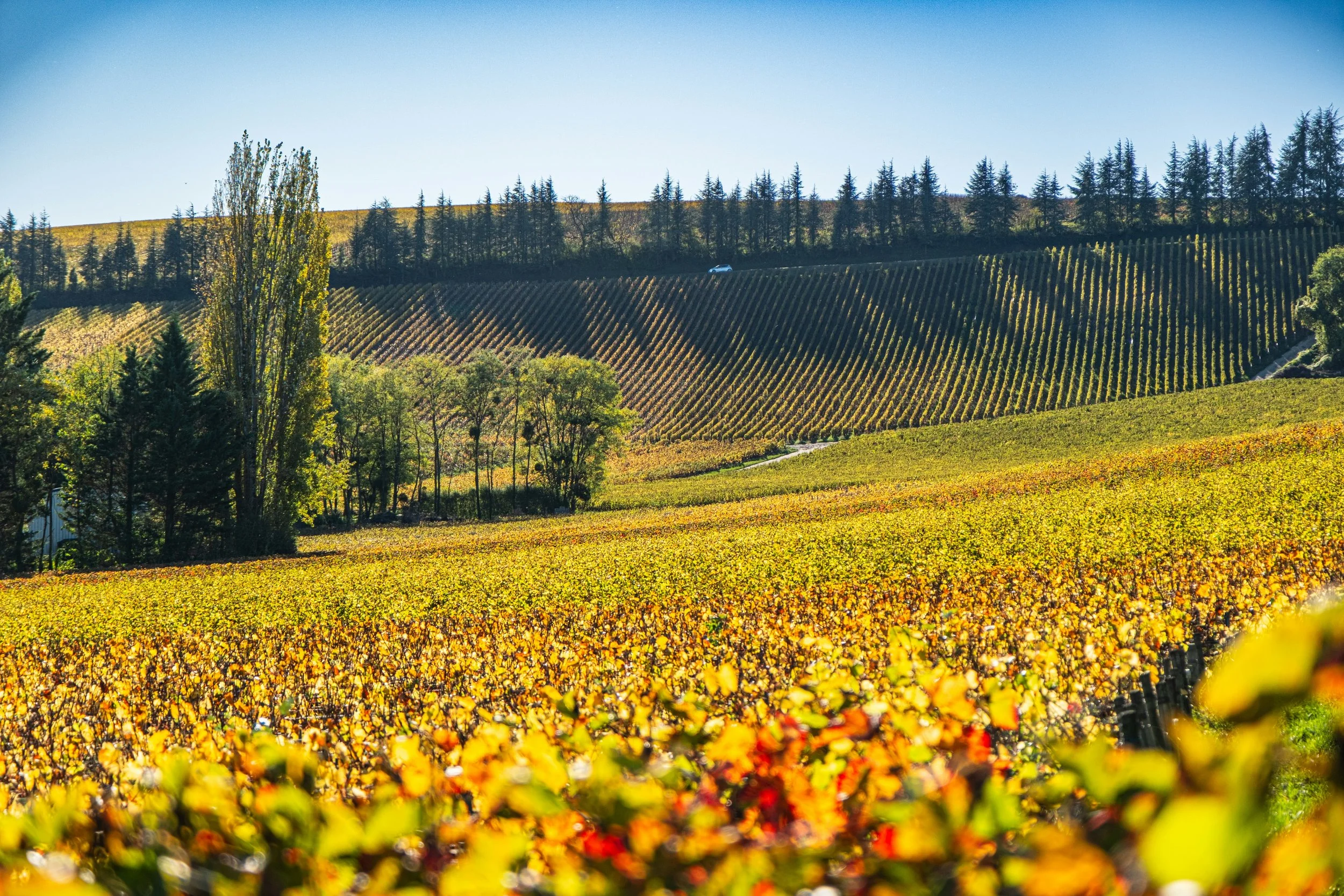
If the Loire Valley isn’t literally sauvignon’s ancestral home, it certainly is where it made its mark. There are a number of Sauvignon-based appellations in the Loire but Sancerre is definitely the best known. Sancerre, because it has been expanded over the years, really features both versions. Grassy might be the most established style but there is a lot of lemon/lime/grapefruit to be found as well, not to mention chalk owing the the area’s placement on top of a prehistoric ridge of it that stretches from the White Cliffs of Dover, across to Champagne and Chablis, and then over to Sancerre. There are actually more similarities than differences between the wines found in Southeast England and these three French areas.
Mentioned above was one exception to my suggestion that if what you crave is a bit of oak in your white, steer clear of Sauvignon. Staring across the Loire River from each other are Sancerre and Pouilly-sur-Loire, the home of Pouilly-Fumé, the smaller but to many, the more prestigious appellation. What certainly is not debatable is that Pouilly-Fumé is typically more expensive than the “equivalent” bottle of Sancerre, some of which is tied to the fact that there is much more Sancerre made than P-F. All P-Fs are not unoaked, but many are. The “Fumé,” by the way, isn’t an indicator of oak treatment as it has long been considered in California where labels used to differentiate themselves in this way (some still do). It is actually a reference to the flinty (silex) bed of chalk where the vineyards are located. And here is where Sauvignon, oaked or not, can show that note. There is silex in parts of Sancerre as well, so you can expect to find whiffs of that in bottles, too. Often, the winemaker will make some reference to silex on the label.
Sauvignon Blanc Beyond France
Sauvignon can be found elsewhere in France, not to mention elsewhere in the Old World in general. I highly recommend versions from Italy’s Northeast, particularly from Collio, Trentino, the Alto-Adige and Friuli. These wines will be unoaked and will lean toward the citric style.
New Zealand and New World Sauvignon Blanc
In the New World, the two prevailing styles tend to mirror New Zealand or the more generic citric style. Whether found in California or Chile or lots of places in between, unless oak is employed, lemon/lime is the predominant feature. What is most interesting about this distinction is that it’s really not a California thing. It’s simply the way Sauvignon tends to be, again, unless it is oaked. That said, NZ’s style is uniquely its own. Zesty, nearly to the point of being prickly, there is no mistaking a Kiwi SB. If Sancerre can be said to exhibit a bit of Gallic restraint, there is none of that in bottles from that other land down under. New Zealand Sauvignons are arguably the most popular Sauvignons not labeled “Sancerre.” And there is nothing wrong with that. However, as you’ll see when you get to the “What To Drink” suggestions in this chapter, you’ll find a lot more calling for Sancerre-like citrus and grass than NZ-like verve. That’s not a knock on the work being done in Marlborough and elsewhere. It’s just an acknowledgment that what makes NZ SB so distinct also makes it a bit less versatile as a wine match.
These are the styles we will refer to in “What To drink.”