

Beyond White With Fish and Red With Meat
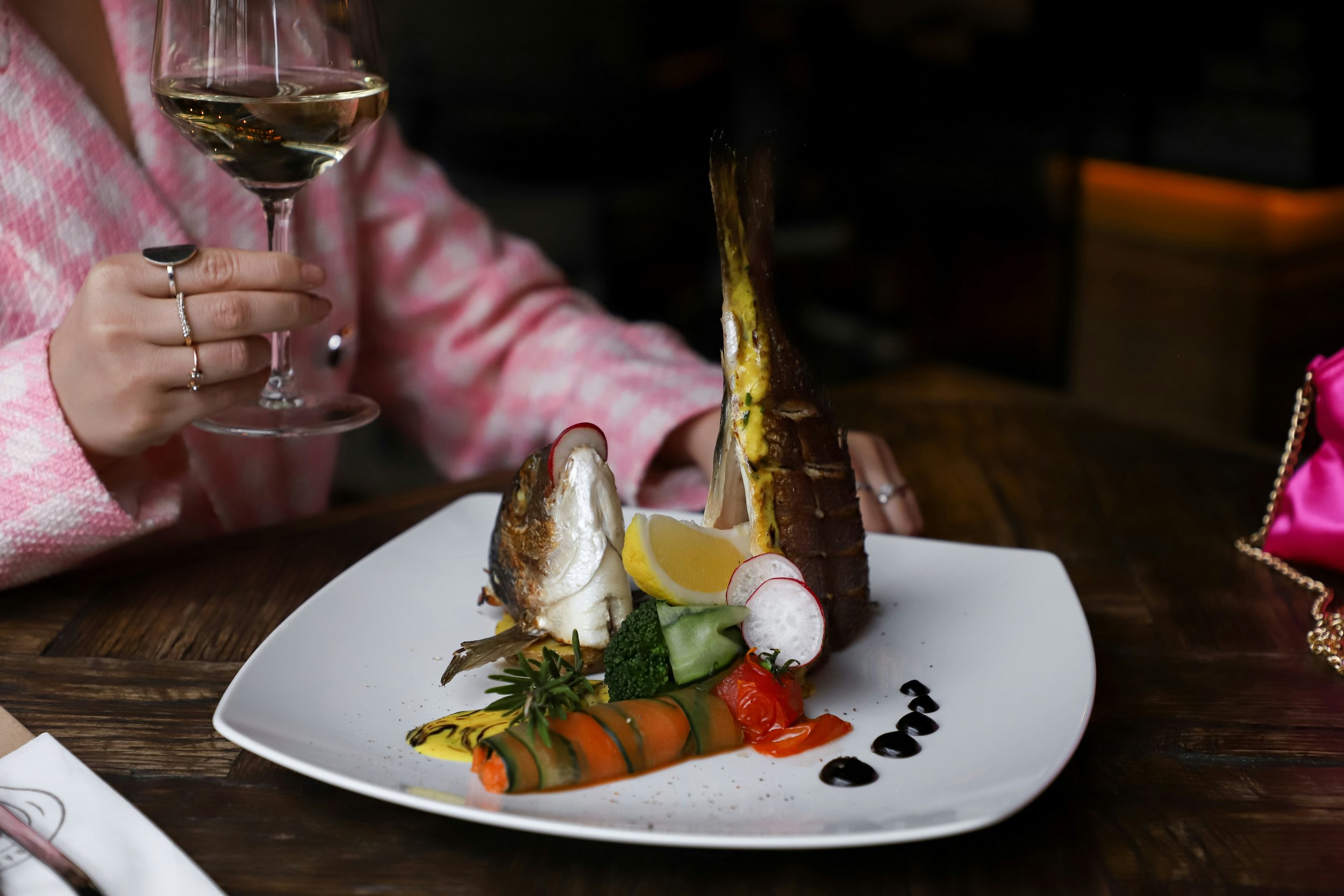
I’ll lead with something I always say when asked about wine/food pairing. There are very few perfect wine/food matches and very few horrible wine/food matches but there is a universe of good to better-than-good wine/food matches in between. And while pairing can be quite persnickety, it really doesn’t need to be. I’m always put off when told a specific bottle and vintage must be matched with a dish. To me, this specificity is silly and not helpful.
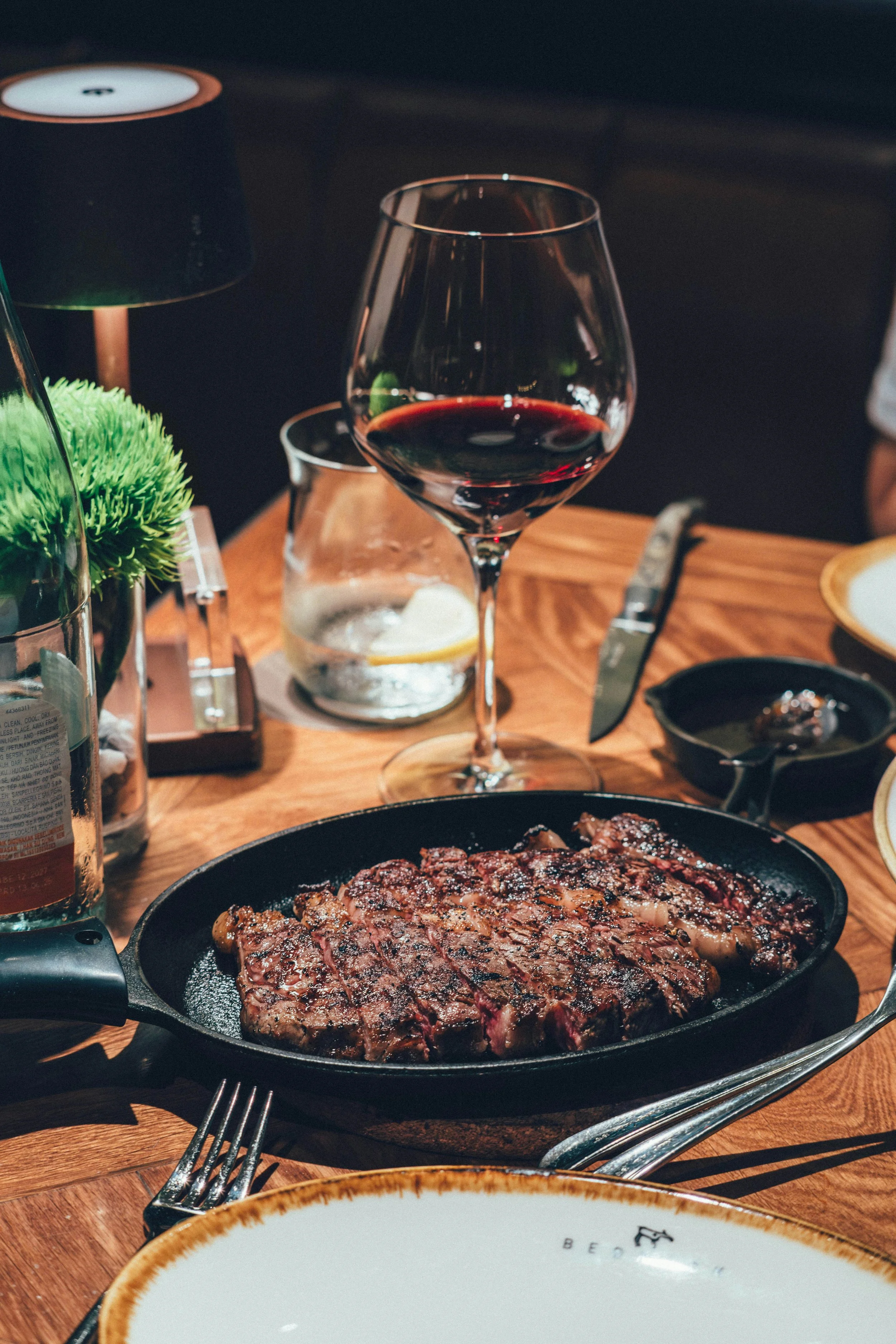
What is helpful is pairing a dish with a style of wine. To insist that so-and-so’s Napa Cab should be poured with that steak as opposed to anyone else’s or a Bordeaux, Rhône Syrah, Aussie Shiraz or countless other big reds is myopic. Instead or recommending a particular wine with that steak, what if I just said, choose a red that has good tannic structure. By doing so, there are any number of candidates that would fit the bill, some of which are listed just above.
Why Certain Wines Pair Better With Certain Foods
The question is why this match works. And that is the point of this blog post. The reason those tannic reds work well with steaks and other beefy cuts is because those tannins work as palate refreshers. That luscious, marbled fat, while delicious (fat=flavor), essentially numbs your tastebuds. Those unctuous bites smother your receptors. The tannins in your red act like nail polish remover. Take a sip and you’re ready for the next coat…I mean, bite!
And wine/food pairing is really all about that. Taking into account what’s on your plate and thinking about what would work well with it. Here are a few strategies that will help you confidently engage in the wine/food dance. The best part is that they are easy to remember and not persnickety.
Match Aromas/Flavors
Pairing Wine With Citrus, Smoke, Fruit and Savory Dishes
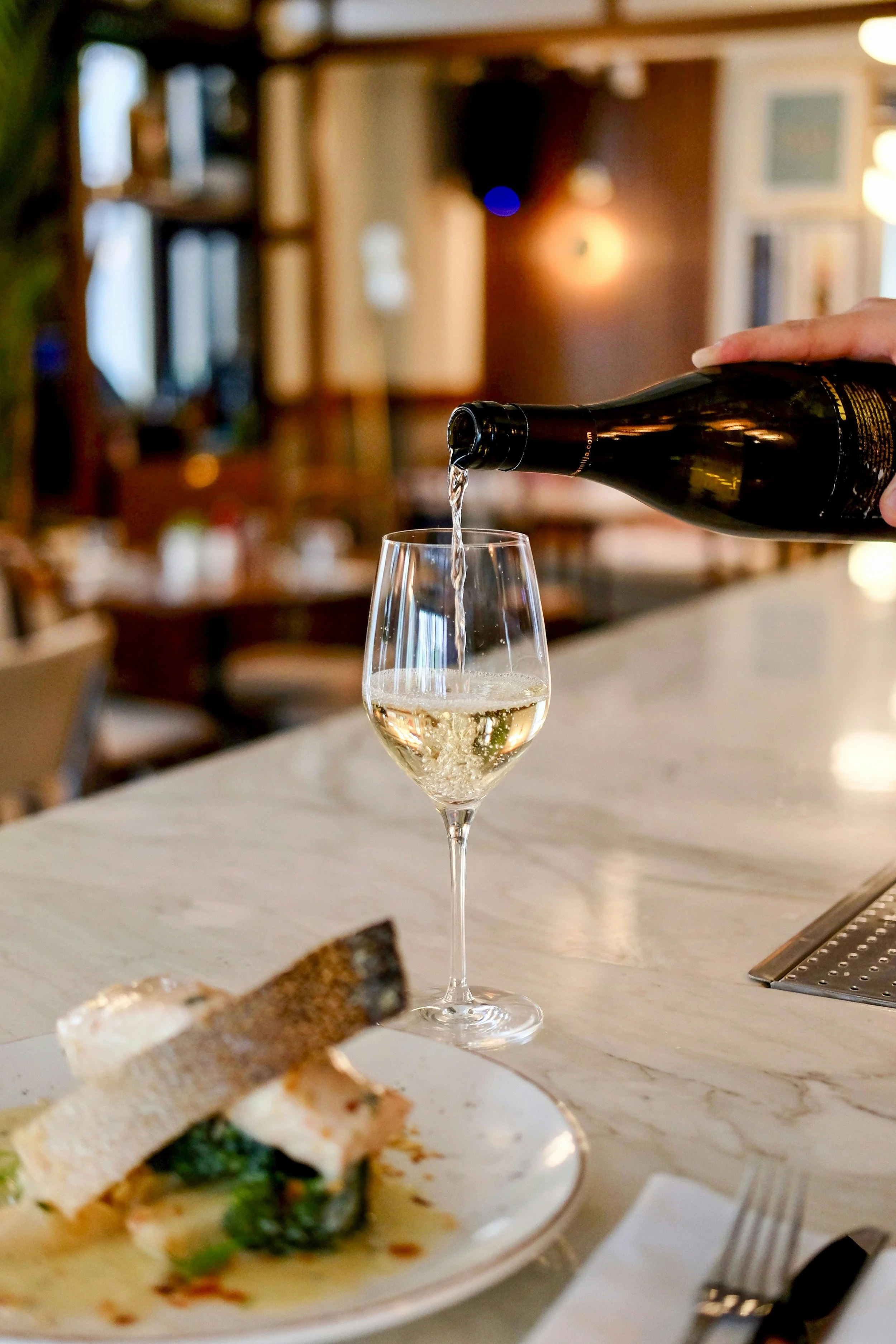
This is perhaps the easiest way to pair wine with food. You can’t really go wrong if your wine has some of the aromas and/or flavors of your dish. For example, if you’re having fish in a citrusy sauce or maybe a ceviche, choose a wine that has a citrusy profile. Sauvignon Blancs, as long as they are not green and green peppery like many from New Zealand, would make a nice pairing. Sancerre, Italian, Chilean, really from just about anywhere as long as they’re not overtly oaked.
Best Red Wine Pairings for Rich and Savory Foods
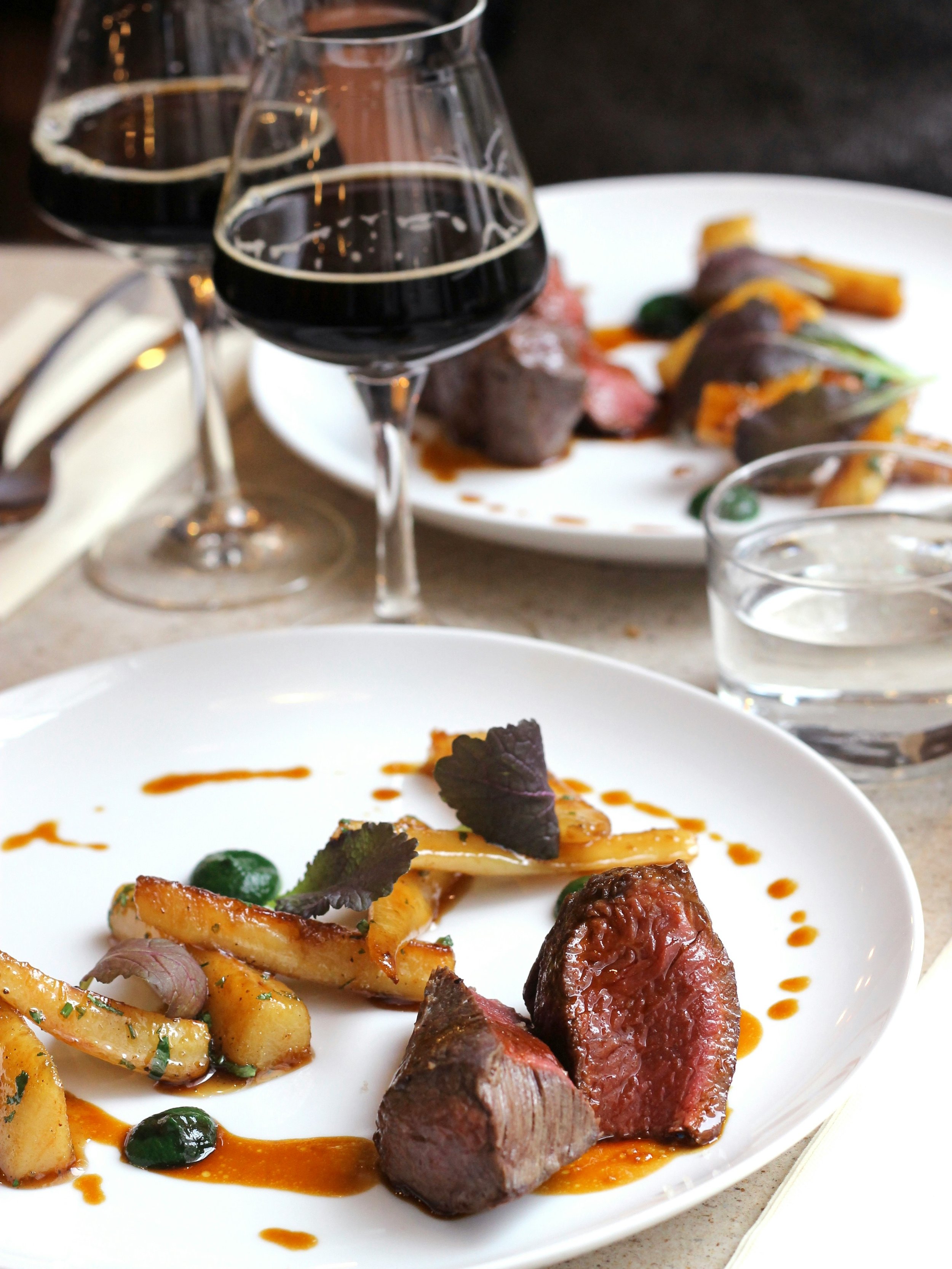
For a red example, if that duck is bathed in a cherry-forward sauce, look for a wine that leans in that direction. Many Pinot Noirs, particularly from the Côte de Beaune and Oregon, would be lovely. Really, any red-fruited-presenting wine would work, and to be honest, those that show more black and blue fruit wouldn’t be bad at all. Or if your meat has some smoke, try a red that has that in its profile, like a Syrah from the Northern Rhône or a Malbec from Argentina. This just goes to show that much of the painstaking wine/food matching instructions are more about hyperventilation than sound advice.
Textural Counterpoints
When Rich Wines and Rich Foods Work Together
The next, and last, strategy involves going one of two ways. You can either match the wine’s texture with the texture of the dish. Or, have the wine and the dish offer textural counterpoints to each other.
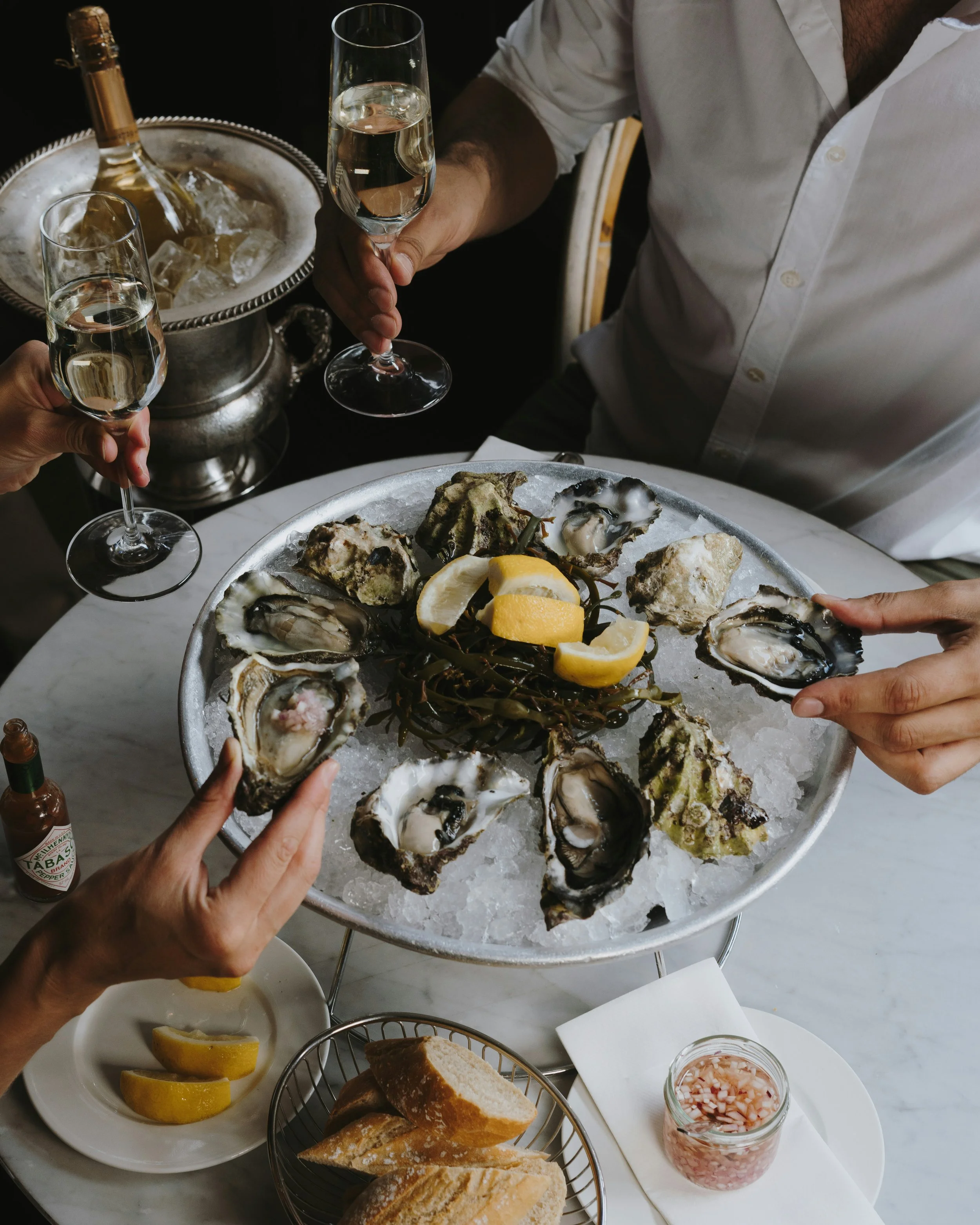
For the first example, choose a rich, buttery Chardonnay to wash down that butter-poached lobster. The richness of each is sufficient to hold its own against its dining companion. Another example going in the opposite richness direction is oysters with a super minerally white, like Muscadet (Muscadet and oysters is one of the perfect wine/food matches, by the way) or Chablis or Kerner from Northeastern Italy. There are countless other wines that would work as well.
In the red realm, we’ve already touched on steak and tannic reds. You can also safely serve the wine that you used for your hearty braise. By cooking the meat and veg in it, you’ve essentially made the protein and wine one.
Pairing Wine With Spicy and Highly Seasoned Foods
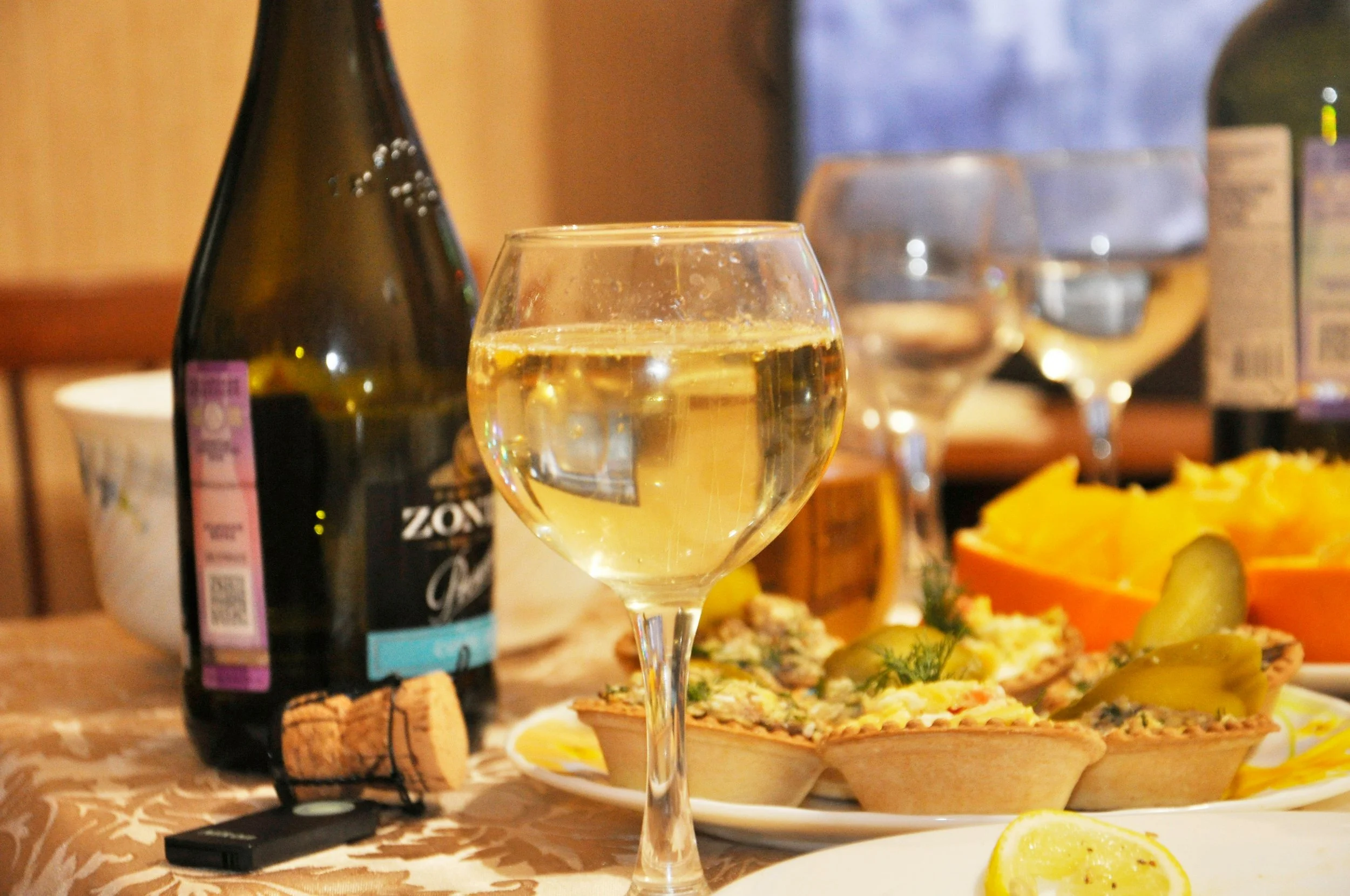
Sometimes a dish is just so assertive that the wine needs to stay in the background. If the dish has so many layers of flavor and aromatics (Indian food is an example), just serve something refreshing that will not outright clash with the complex spices or sauce on the plate.
A bit of a variation is to match spicy dishes with a bit of sweetness in the accompanying wine. Not full on dessert strength and not necessarily true off-dry level (although that degree of residual sugar does work very well not to eliminate the heat of the dish but to make it less of a dominant force). Fruity and ripe whites like Viognier (which has the added benefit of being very aromatic as well) and unoaked Chardonnay, among many others, would play nicely with that Scoville heat. Emphasis on no oak or at least the oak must be neutral. Fruity reds aren’t really useful in the same way because of their inherent higher tannin levels.

Simple Wine Pairings for Dessert
In the dessert realm, the pairing strategy is actually incredibly simple. Whatever is on the plate should never be sweeter than the sweet wine served with it. A beautiful fruit tart goes superbly with a Sauternes or Sauternes-style wine. Fruit-heavy desserts in virtually any format are best with white sweet wines while chocolate-heavy desserts are best with Port-style wines. That’s really all there is to it.
See. That wasn’t so hard! Use all of the above as general guidelines and then experiment away.