

The Blog
Wine Matters
Wine education, tips and insights to help you better understand and enjoy what’s in your glass.
Categories:
Wine Education / Wine Tips / Wine Culture / Behind the Bottle
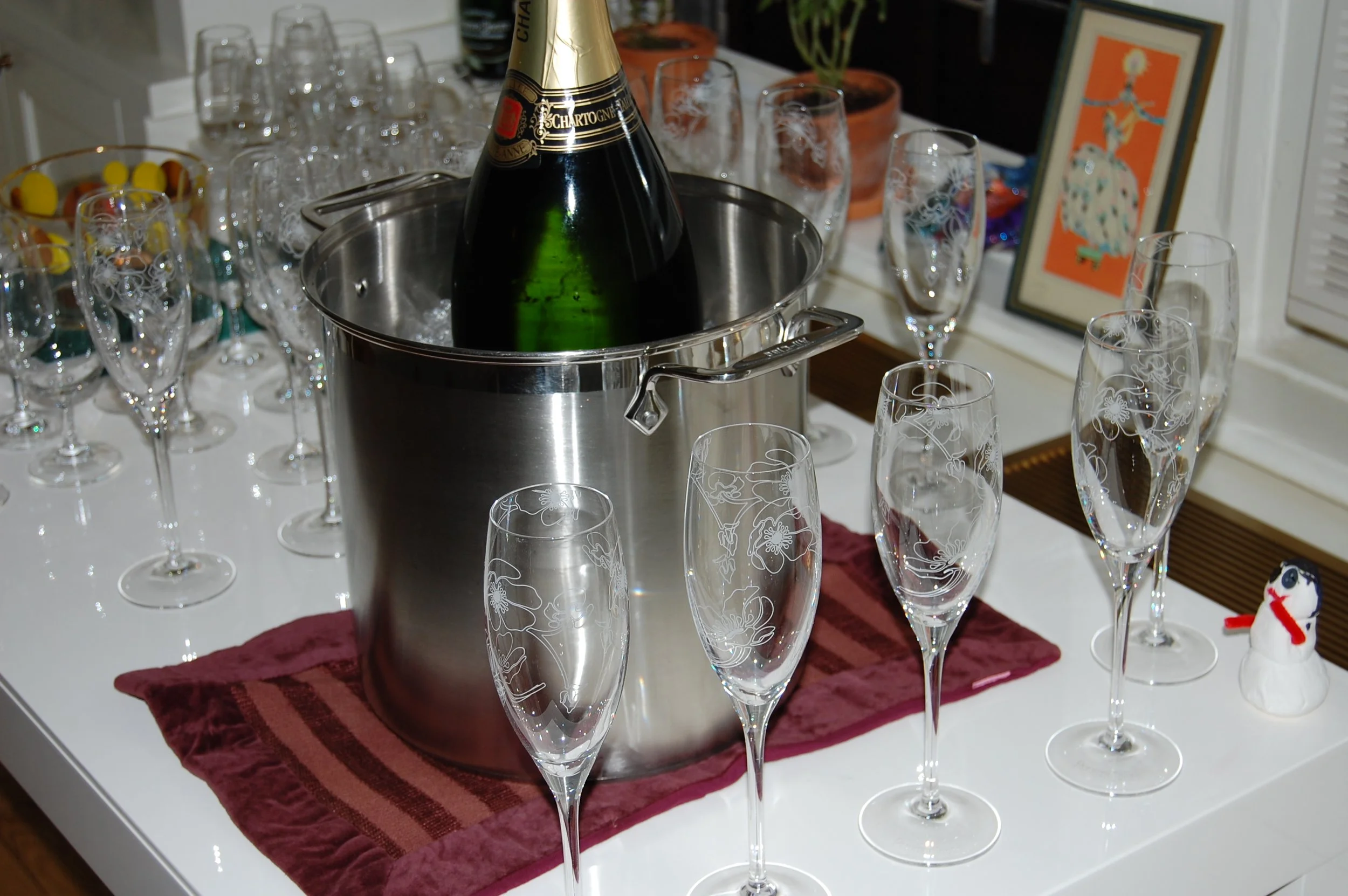
It’s Not Me, It’s You or Why I Ask My Sommelier For Ice Cubes
If I can speak—or write!—my truth, there are few things more disappointing to me than being served a white wine that is too warm (the corollary is a red coming out too cold, although that situation doesn’t warrant corrective measures simply because the wine will come up suitably in temperature in a matter of minutes) or worse, a sparkler that isn’t cool enough.

From Zoom to a Room: Bringing a Remote Workforce Together with a Wine Tasting Event
Many companies, large and small, try to keep their teams energized and focused by offering outside-of-the-office events. Sometimes these are team-building exercises—think paintball!—and sometimes they are just casual sip-and-chat happy hour excursions.
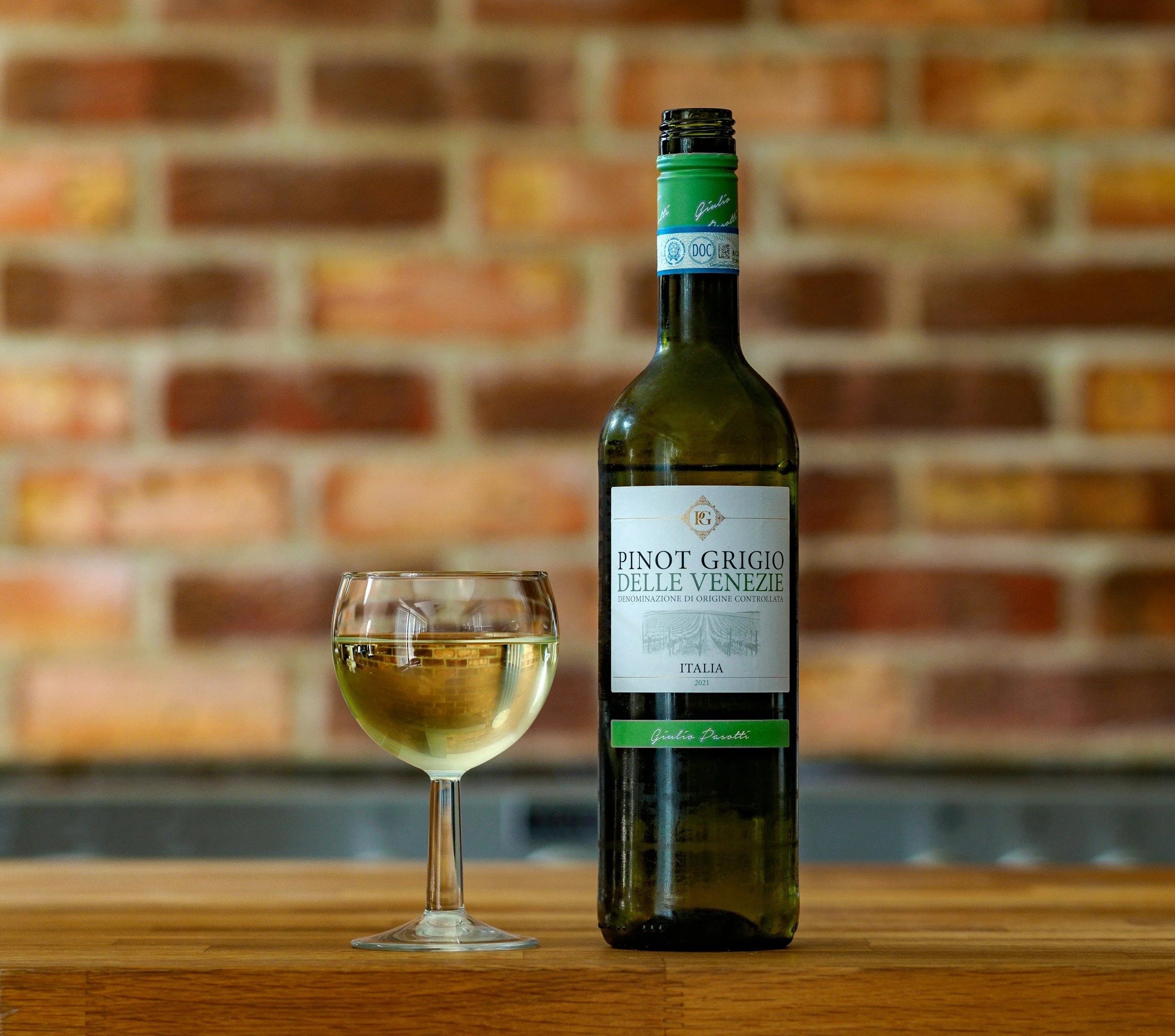
How Old is Too Old for White Wines?
Age is just a number. Sometimes, that is. When it comes to white wines, all wines, really, there are definitely some general rules relating to how long you can expect to hold a bottle before it no longer resembles itself.
Why Wine Knowledge Is a Valuable Business Skill for Young Professionals
Being at ease when choosing a bottle might not seem to be particularly relevant to what you get paid to do, but it is, in its way, an important aspect of corporate culture, regardless of whether you are at a three-person startup trying to raise venture capital, working at a trading desk or fine-tuning marketing campaigns.

Beyond Sauvignon Blanc—Painless Palate Expansion
While chardonnay may be the world’s most commercially important white grape, Sauvignon Blanc is the white wine I hear consumers claim as their own most often. Before delving a bit into a couple of SB’s most prevalent styles, for those who may not be aware, all wines are not necessarily named for the grape(s) they are made with.

Why Does This Wine Suck?
In this post, you’ll learn why sometimes that bottle you’ve selected just isn’t any good. There are a few reasons why your bottle sucked, ranging from it being corked to cooked to prematurely oxidized. The telltale signs of all of these unfortunate events are easy to spot once you know what you’re looking for—or smelling!

Wine Labels: Easy to Read but Not Always Easy to Understand
The purpose of this post is to set out what you should expect to find when you grab a bottle off a shelf label-wise. The label is a very, very important piece of the wine puzzle, and the bad news for consumers is that there isn’t a whole lot of uniformity when it comes to satisfying each governing body’s labeling requirements.

Red Burgundy: An Intro
Anything that can be said about the swirls of confusion relating to Burgundy’s whites certainly applies to the reds as well. More so, actually, because in the region’s heart, the Côte d’Or, there is more red than white made. The white-hot pinot noir is the grape, and because it is the only authorized one for reds, it is also just about the only straightforward thing about Burgundy. But that is as far as the simplicity goes.

White Burgundy: An Intro
Perhaps the only straightforward thing that can be said about white wines from Burgundy is that they are all made with chardonnay (technically, that’s not even true; there is one other authorized white grape, aligoté, two, if you include the minuscule amount of pinot blanc planted, but you’re likely to rarely come across them—though aligoté does have its adherents—so most treat them as though they don’t exist).

Intro to Burgundy, the Wine World’s Most Complicated Region
Few regions in the wine world are as worshiped, and at the same time misunderstood, as Burgundy. The wines, Chardonnay for the whites and Pinot Noir for the reds, are certifiably wonderful, more so now than at any other time in the region’s long winemaking history.