

Why Pinot Noir Is One of the World’s Most Fascinating Wines
What follows is the Pinot Noir entry from the cookbook I co-authored with my good friend and the amazing chef/restauranteur, Jan Jorgensen. “A Cook’s Table” is organized around the most commercially significant grapes/wines, i.e., sauvignon blanc, chardonnay, pinot noir, cabernet, etc. There is an introductory essay that does a dive into the prevailing styles of the resultant wines, usually in the Old World/New World dichotomy. Jan’s recipes are keyed to one style or the other, though we’re not so doctrinaire that you can’t cross over or ignore entirely.
Our food/wine pairing philosophy is, first, relax, because there are very few horrible matches and very few perfect ones, but there is a universe of good to better than good ones in between. Our recommendations, while we believe in them, are merely guides.
Here is the Pinot Noir entry. I hope you find it useful.
Why Pinot Noir Is One of the World’s Most Celebrated Wines
Long before it was deified in the movie “Sideways,” Pinot Noir has been worshiped as the most subtle of all wines—not just reds. As a grape, pinot has been cursed for its finickiness, its seeming refusal to behave on its journey from vine to cellar and then to bottle. Despite the angst of growers and winemakers, not to mention buyers, both commercial and consumer, its diffidence is looked at much the way a parent might forgive the youthful trespasses of a much-loved child. One takes the bad with the good because the good is often transcendent.
Pinot Noir Beyond Burgundy
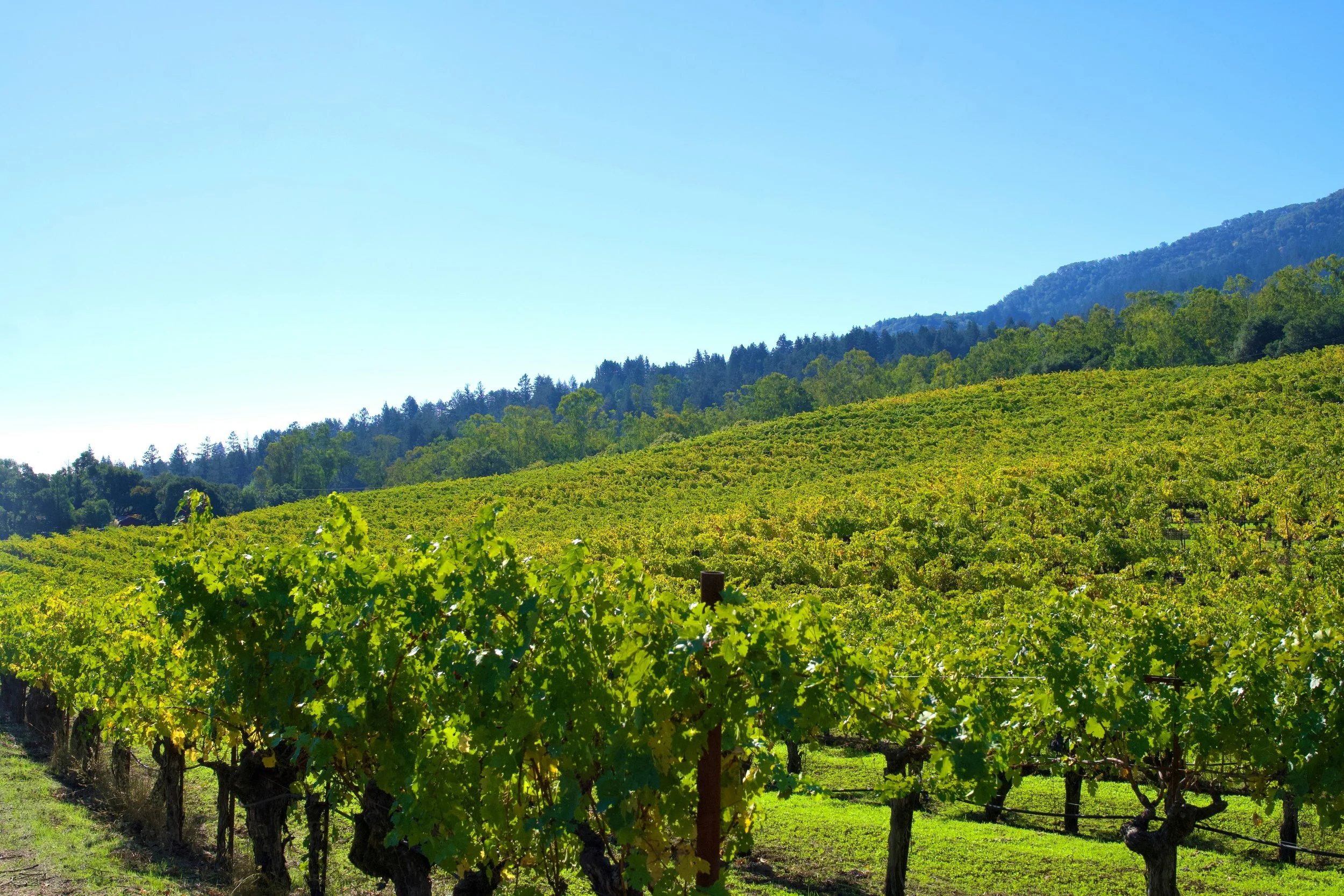
While it has long been thought that pinot’s most hallowed ground was found only in the tangle of tiny vineyards in Burgundy’s Côte d’Or (and perhaps more exclusively in its Côte de Nuits “half”), the last 30 years or so have proven that while many still hold this bias, there are dozens of other places in the established wine world that produce simply lovely Pinot Noir, the best of which are as compelling as just about any Pinot from Burgundy. And all of this is to the good for the consumer because regardless of what side of the Pinot debate you are on, there is consensus that red Burgundy is among the most expensive wine of any color or style in the world.
Oregon—particularly, the Willamette Valley—made its reputation on its lithe Pinots, with critics raving about the cool-climate similarities between Burgundy and this slice of the Pacific Northwest. Well-made versions can be found in Northeast Italy (where it is referred to as “Pinot Nero”). New Zealand and Tasmania also excel in the rarified realm of Pinot. But it is probably in California that the most-acclaimed non-Burgundy Pinot comes from.
Understanding California Pinot Noir
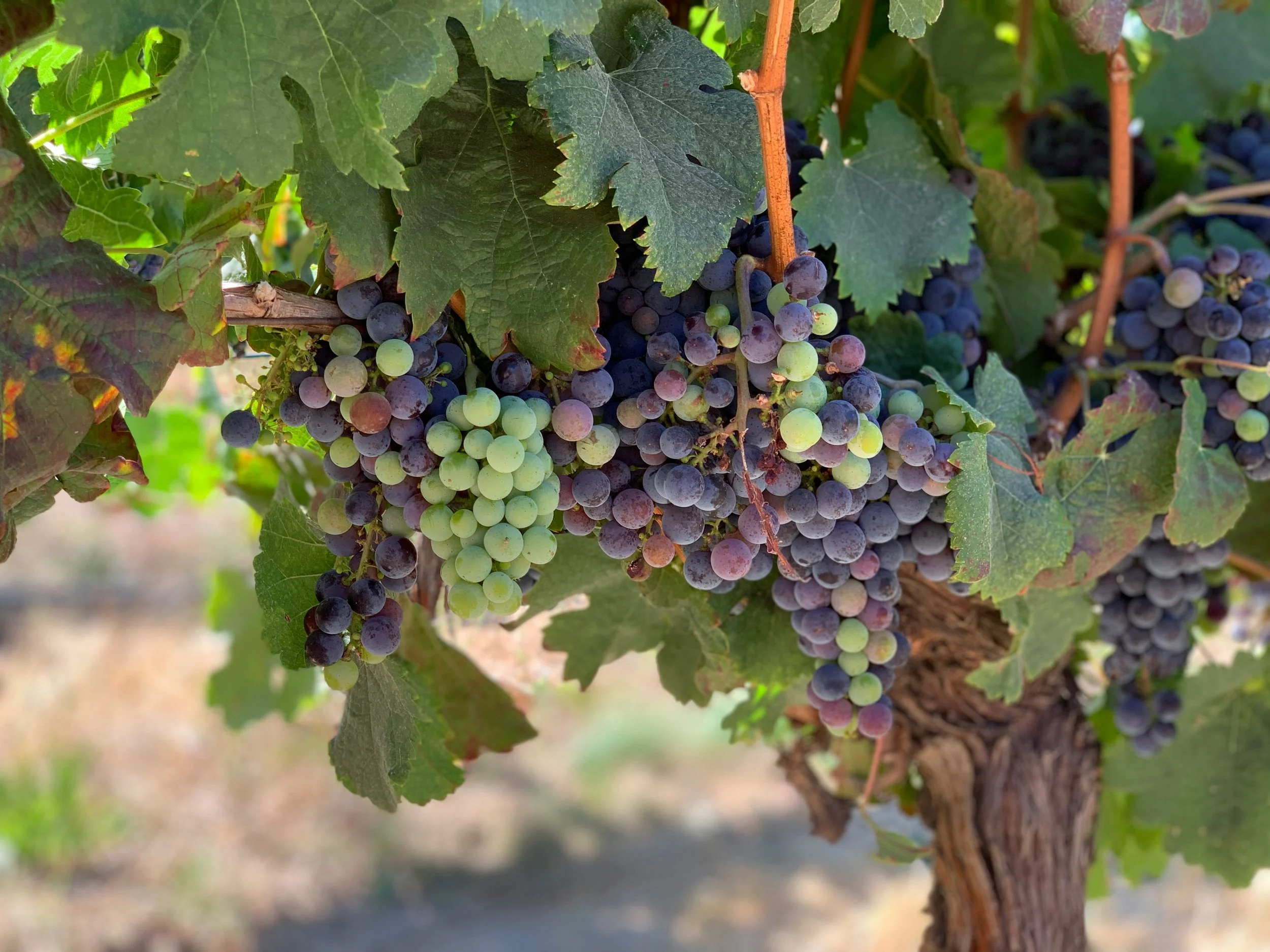
That said, there are many detractors of the “California style,” who believe it is too rich, too fruit forward, and, of course, too high in alcohol. But this generalization simply isn’t fair to those parts of the Golden State that actually have the terroir that pinot likes best. That is, coolish temperatures, especially at night, not too much water and complex soils. After much trial and error, there are any number of spots within Napa and Sonoma that have proven that they have what it takes. And as has been seen lately, farther south, places like the “Sideways” country of Paso Robles, Santa Maria, et al. and San Luis Obispo, with its marine-influenced vineyards, can birth subtle versions of Pinot that can’t be confused with any other red wine. But, buyer beware: There are many high-priced and high-octane Pinots around, particularly from Napa and Sonoma (perhaps to a lesser degree), so don’t be fooled by the hype.
Why the Producer Matters with Pinot Noir
The best advice I can provide is that, perhaps more so than for any other wine—red or white—knowing the producer, regardless of whether found in Carneros, Eola-Amity Hills or the Russian River Valley, is an absolute must. Oceans—well, maybe lakes—of mediocre and high-priced Burgundy exist also, so it’s not even safe to just rely on that place name. The “What To Drink” suggestions will give you a style to focus on, whether it’s New World or Burgundy. It’s then incumbent on you to ask the sommelier or wine merchant which producers fill that bill. And because it’s Pinot, that bill won’t be cheap!
Pinot Noir Styles
In terms of style, the following generalizations—and to be sure, they are just that—are what we believe are the prevailing characteristics in the three most important Pinot-producing areas in the world. Yes, we’ve left out lots of worthy alternatives. And for that, we apologize, but the truth is that with many things wine-wise, to try to list all would simply be overwhelming.
From Burgundy, Pinots from the Côte de Nuits tend to be firmer, more black fruited and earthy than versions just to the south in the Côte de Beaune. In Beaune, think bright red cherry with a dose of vivacity. Both versions will have ample structure for gentle aging, with those from Nuits generally being less forthcoming in their youth, though never hard and tannic the way, for example, Bordeaux and Barolo can be when young.
The Willamette Valley in Oregon’s northwest quadrant, and the numerous sub-appellations that have been carved out of it in the last twenty years or so, produce Pinots that are sort of a bridge between Burgundy and California. That is, while in most cases these wines can be pegged to the New World, they do not possess the overt ripeness and richness of their cousins in California. And speaking of California, there is more variety of Pinot styles there than perhaps anywhere else in the world. Dense—insofar as Pinot can ever qualify for that adjective—versions from Napa show lots of black fruit, grip and structure. Cooler-clime Pinot from parts of Sonoma are often more berried and lighter. As you continue into the giant Central Coast section of the state, there are coastal wines that seem to skew closer to Oregon than Napa; alcohol is down—albeit not considerably in most cases—or at minimum, seemingly less present, fruit is more wiry and acidity is palpable. And while it may seem odd, cola-like aromas are pretty typical as well, though less so in cooler areas.
These are the styles we will refer to in “What To Drink.”