

Riesling Explained: A Guide to Styles, Regions and What Makes This White Wine So Unique
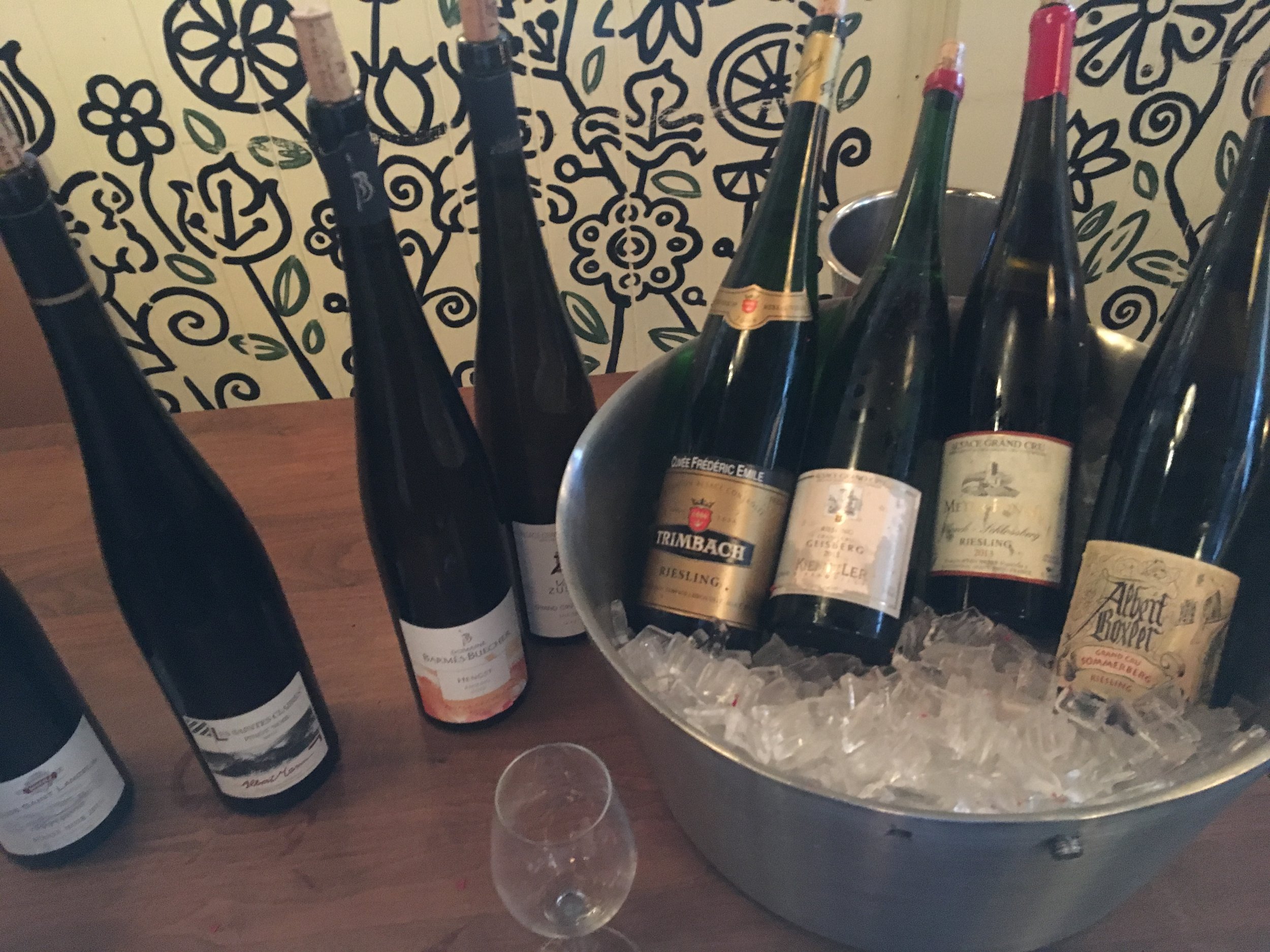
What follows is the Riesling entry from the cookbook I co-authored with my good friend and the amazing chef/restauranteur, Jan Jorgensen. “A Cook’s Table” is organized around the most commercially significant grapes/wines, i.e., sauvignon blanc, chardonnay, pinot noir, cabernet, etc. There is an introductory essay that does a dive into the prevailing styles of the resultant wines, usually in the Old World/New World dichotomy. Jan’s recipes are keyed to one style or the other, though we’re not so doctrinaire that you can’t cross over or ignore entirely.
Our food/wine pairing philosophy is, first, relax, because there are very few horrible matches and very few perfect ones, but there is a universe of good to better than good ones in between. Our recommendations, while we believe in them, are merely guides.
Here is the Riesling entry. I hope you find it useful.
Why Riesling Reflects Its Terroir Like No Other Grape
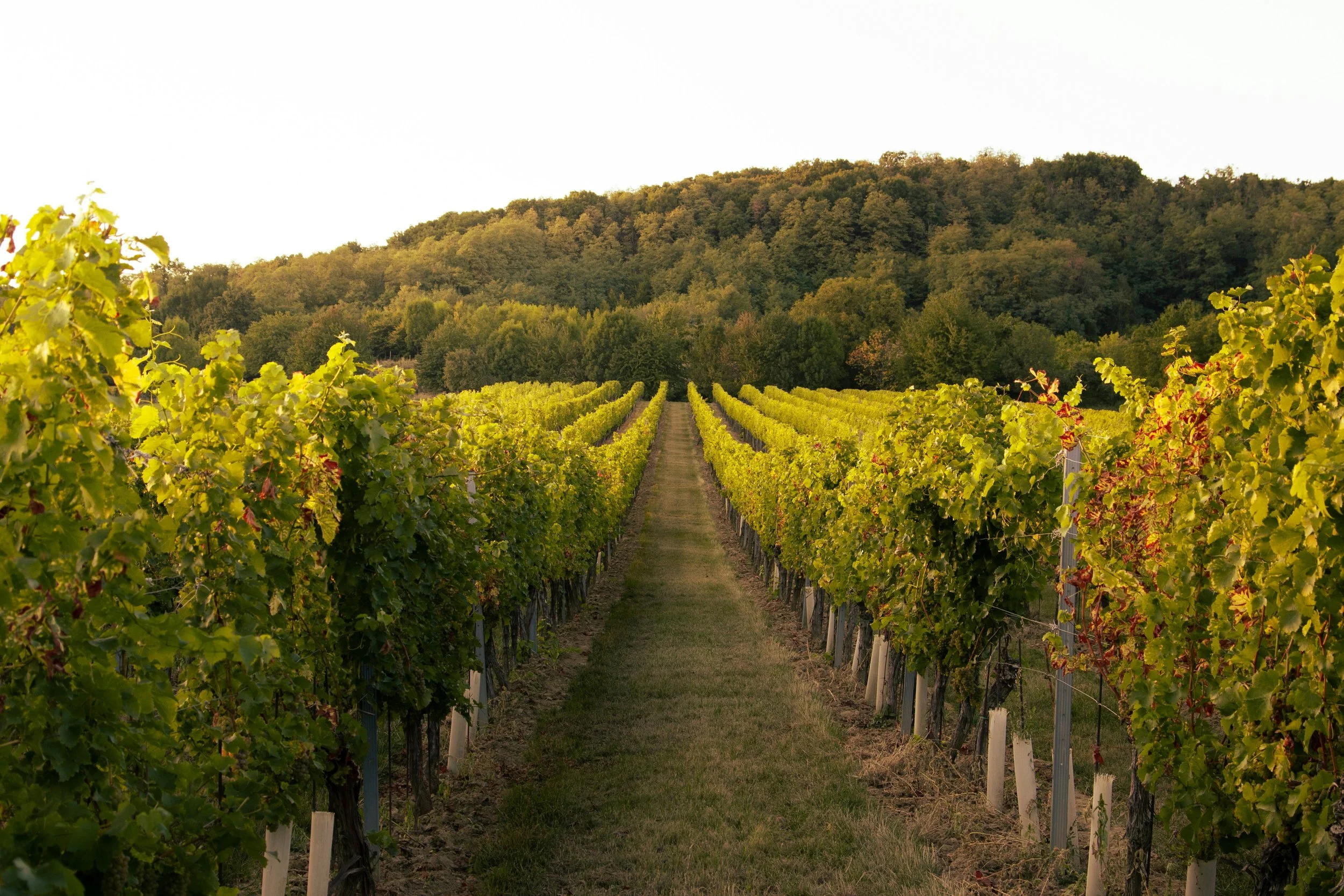
It is often said by the experts that riesling, of all the important winemaking varieties, is the most site sensitive. The wine resulting from riesling grown in granitic-based soils won’t resemble one that hails from sandy schist. That wines made from rows of vines perched near a river or a lake, particularly those with depth, will present very different aromatics than wines birthed in landscapes inland.
Germany vs. Alsace: Two Distinct Expressions of Riesling
Even more evidence of riesling’s willingness to reflect its place of origin (which is, in many respects, the very essence of terroir, that ill-defined, yet no-less-real concept that separates interesting wines from uninteresting wines) can be found on opposite banks of the Rhine (Rhein in German) as it defines a border between Germany to the east and France to the west (the river is called the Rhin there but that usage is far less prevalent in wine circles). The Rieslings of Alsace are typically bigger and with more alcohol than their cousins found to the east and then north. Some of the delicacy typically associated with German versions is a result of cooler weather as the river meanders northward. The vineyards don’t stray far from the latent heat source of the water that helps them survive frigid winters and springs. The cooler the climate, the less potential “fuel” (sugar) there is for the fermentation process, therefore, lower alcohol levels. And this applies to the dry—or trocken—versions as well.
While back across the river in Alsace, it is generally warmer owing primarily to the barrier that the Vosges Mountains imparts to the west which prevents any residual maritime weather blowing off the Atlantic from the west to affect the vineyards. The result then is bigger Rieslings. Adding to the stylistic differences across the river is the complex combination of sediments, minerals and rock formations that make up Alsace’s unrivaled melting pot of dirt for Alsace’s vines to grow in. Perhaps more so than any riesling viticole in the world, the resultant variation of Rieslings in Alsace is unmatched.
Riesling Around the World
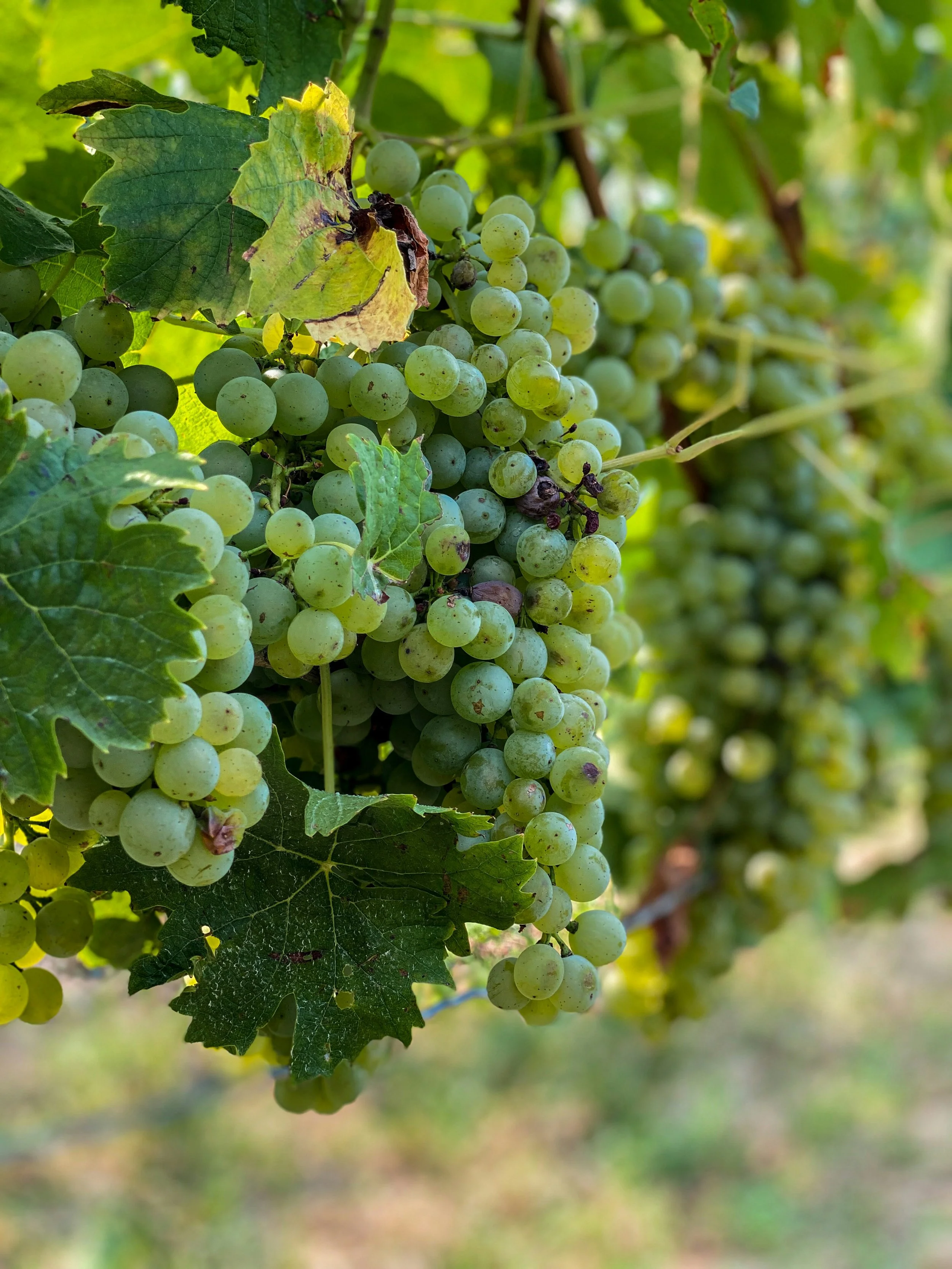
When other important growing regions of riesling are factored in, the cornucopia of aromatic and flavor profiles in the finished wine dwarf those of any other wine grape. Those regions include—in my subjective order of interest—Italy’s Northeast (Friuli and Trentino-Alto Adige); Australia (the Clare and Eden Valleys) and the United States (the Finger Lakes). That said, there is riesling grown pretty much in every country where wine is made.
The Two Dominant Styles of Riesling
There are countless variations of Riesling styles the world over. However, not unusually, there are two dominant ones. But in an interesting variation on the prevailing Old World/New World dichotomy, for Riesling, it boils down to Old World/Old World. The two styles mimicked the world over are Alsace and German, and in a further historical point of interest, the Alsace style prevails by a lot. Historical because Alsace, in its long political lifetime, has been ping-ponged between French and German domination for hundreds of years. And before that, whether it was the Romans, or some Germanic tribe, it has been a crossroads where Northern, Southern, Eastern and Western European peoples met, usually in anger.
Riesling Styles
When experimenting within Riesling’s palette, you should be able to ask the sommelier or retailer to guide you further afield than just Alsace and Germany, if you wish. That said, when asking about, for example, a Finger Lakes bottle, frame the question as whether it acts more like a representative from Alsace or Germany. Of course, there are many stylistic differences even between wines that come from the same zip code but posing the question in this manner will save you time and not have you drowning in the numerous exceptions to this “rule.”
What to Expect in an Alsace Riesling
As stated above, Alsace’s Rieslings tend to be weightier—though never in the way that, for example, Southern Rhône white blends or California Chardonnays can be—than those from across the river in Germany. Fruit notes can range from tangy citrus to ripe stone fruit, particularly in late-harvest versions. There will always be ample acidity, as this is one of Riesling’s inherent qualities regardless of where it comes from. And there will also be plenty of minerally, stony notes. From slate to river rock to just about anything that can be thrown or crushed can show up because of the complex soil profiles discussed above. There may even be a discernible petrol whiff, also a common Riesling marker.
What Makes German Riesling Different?
Germany’s will usually be more delicate, lighter in body, perhaps even more elegant, though that is a dangerous word to use given that one drinker’s elegant is sometimes another’s insipid! A similar range to Alsace’s fruit palette will be present, and depending on the ripeness level sought by the producer, varying levels of sweetness, though whether trocken or dessert strength, there will always be Riesling’s freshening acidity. Minerality, that difficult-to-define sense of cleansing mouthfeel should be expected. I’ve always felt that German Rieslings don’t exhibit the more obvious rock and stone notes that Alsace’s do but there will be some of that as well.
These are the styles we will refer to in “What to drink.”