

What a 2016 Freemark Abbey Cabernet Says About Old-School Napa
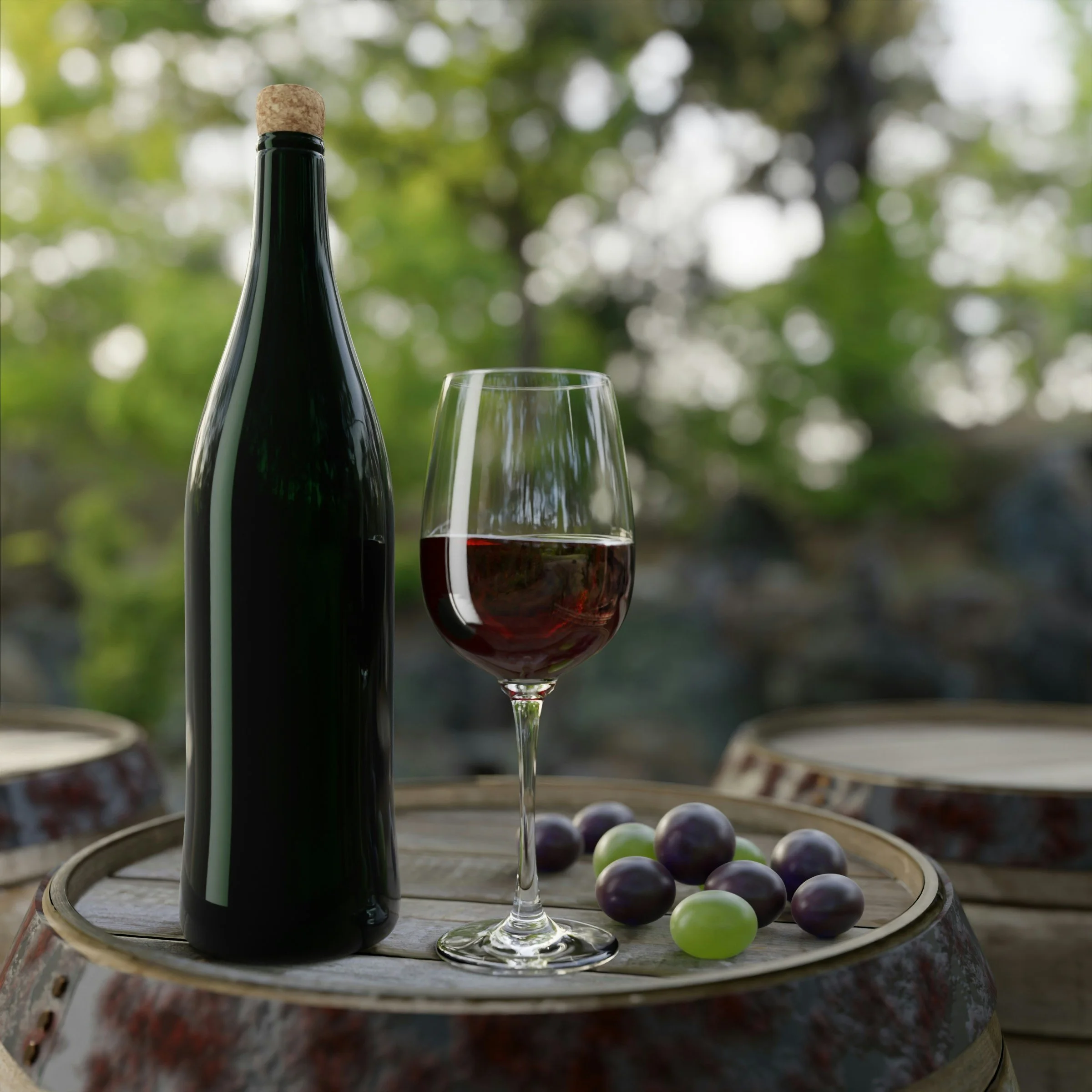
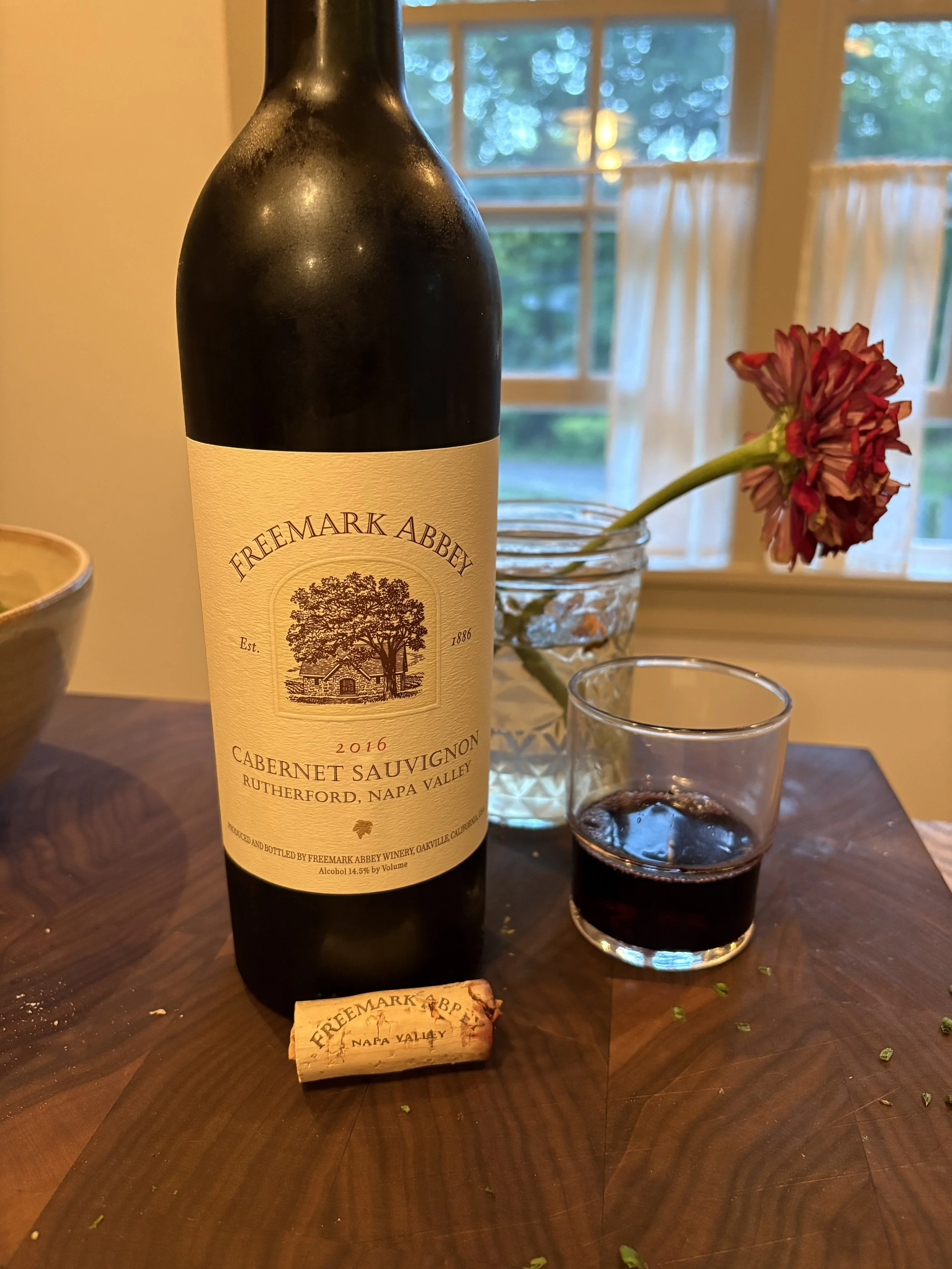
I recently had the opportunity to pop open a friend’s 2016 Freemark Abbey Rutherford Cabernet Sauvignon. I’ve always liked Freemark Abbey’s wines, though because they’re not inexpensive (it’s Napa, after all), they’re not usually on my shopping list. And that’s not a shot across the bow. While it’s true that there are instances where producers seem to make up prices just to see what they can get away with, the simple truth is that it’s expensive to run a winery in Napa Valley and those costs have to be accounted for somehow.
A quick search revealed that the current Rutherford goes for about $100 a bottle. The 2016, which can be found, will set you back about $50 or so more. That said, the entry-level Napa Valley version of the current release is about $50 a bottle. So, not cheap but for a classic Napa Cab, a pretty good deal. The Rutherford is obviously a step up in class. And this one showed that Rutherford dust, that bit of ethereal dirt cloud that is, honestly, pretty easy to sniff out in blind tastings. I love that.
Old-School Napa Cabernet vs. the New School
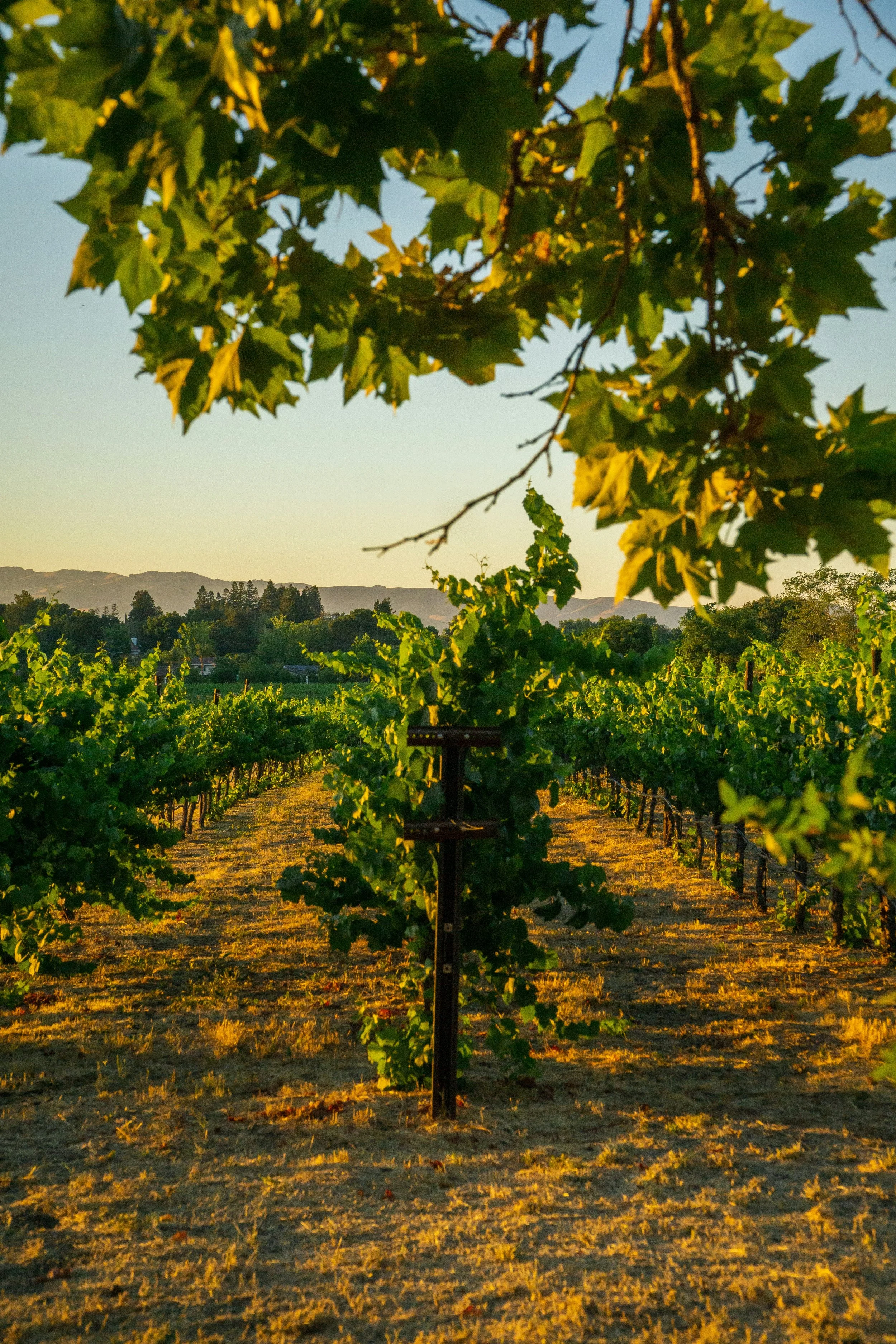
This wine just reeks of old school Napa Cab, meaning pre-1980s. It was the ‘80s when winemakers and consumers became obsessed with jammy, extracted, 95+-scoring wines that showed off the glycerol legs of Betty Grable (how’s that for a reference to the past?). Blame can be cast at influential writers but at the end of the day, they kept making them because we kept buying them.
But some producers never attended this “new school.” They eschewed new French oak or at least didn’t rely on it to impart the defining character of their finished product. Instead, they accepted the hand that Mother Nature dealt them from year to year. Some years resulted in wines that were leaner with less fruit; others resulted in ripe (not overly so), fruit-forward versions due to warmer conditions.
Freemark Abbey is decidedly a member of this club, one that includes Beaulieu Vineyards (most notably, the Georges de Latour), Heitz and Spotteswood. There are others. Sometimes, they probably made wines that were bigger than they preferred but the facts on the ground ultimately determined what was captured in the bottle.
Is Napa Cabernet Finding Its Way Back?
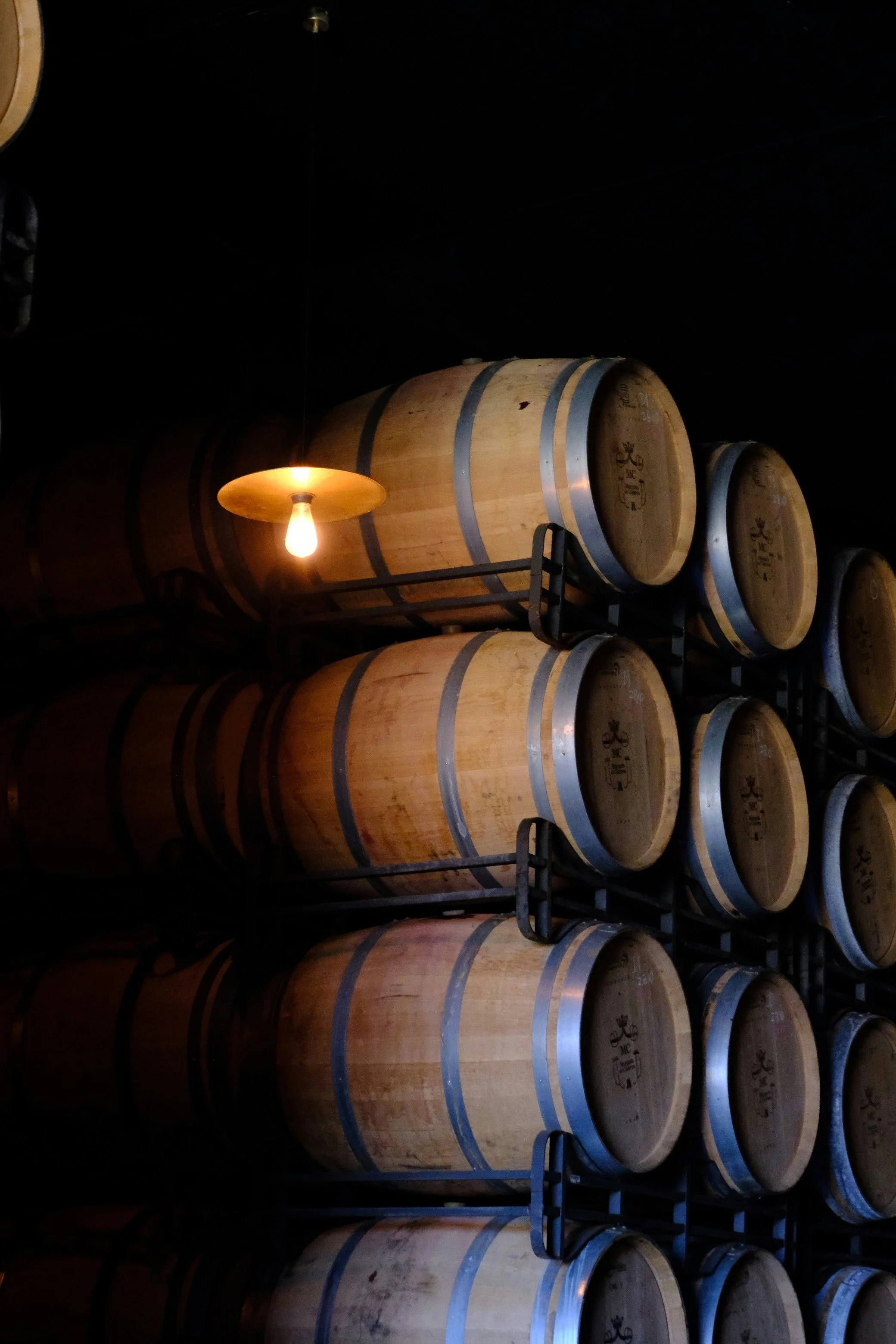
The good news is that even in the face of global warming, many of the new school have reverted to some old school traits. In tasting lots of Napa Cabs over the last few years (and it’s not just a Napa thing; I’m using Napa Valley as sort of a stand in for both the Old World and the New World as there is no point in arguing that those same factors didn’t impact winemaking from Australia to Bordeaux to Tuscany to Rioja and on and on), it does seem that many winemakers are trying to more closely hew to the realities of the vintage rather than reverse engineer a wine of that era in the cellar.
Tasting the 2016 Freemark Abbey Rutherford Cabernet
Back to the wine. The vintage is uniformly thought of as an excellent one in Napa Valley, so it came as no surprise to me that the wine was still in such good shape. The nose is subtle with wisps of menthol, a bit of red fruit and that light dustiness that Rutherfords should always exhibit. The flavors were more pronounced, although that may have been more a function of it coming up in a temp a bit. Cherry and pencil shavings all framed by inviting acidity and no sign of alcoholic heat. Just a four-square version of a well-made Cab that acts like where it comes from.
If you can find a bottle, get it. This thing still has years of interest left, something that many collectors to their chagrin discovered that their prized acquisitions back in the day ended up not having.
Where do you stand on this ongoing debate? Love the fruit bomb or are you, like me, in the less-is-way-more-than-more school?